Key facts
- U.S. strikes on Iranian coastal defenses and missile sites have escalated tensions.
- An oil tanker was hit amid the conflict, raising concerns about supply disruptions.
- Iran has threatened to expand its threats beyond the Strait of Hormuz.
- Brent crude futures rose 0.4% to $85.28 a barrel, and WTI futures rose 0.5% to $80.02 a barrel.
- Crude inventories fell by 1.7 million barrels in the week to July 10.
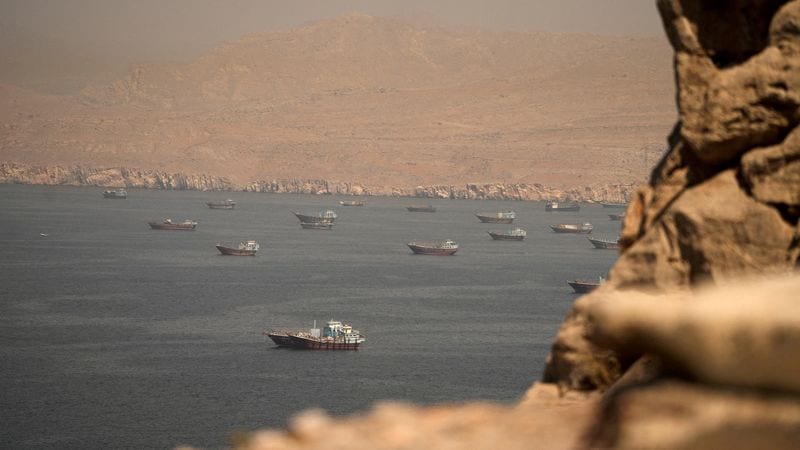
Oil prices climbed for a fourth consecutive day as renewed U.S. strikes on Iranian military installations fueled fears of a wider conflict and potential supply disruptions in the critical Strait of Hormuz. The U.S. struck Iran's coastal defenses and missile sites on Wednesday, reimposing a naval blockade of its ports, while Iran warned of expanding threats to regional energy exports.
Brent crude futures rose 0.4% to $85.28 a barrel, and U.S. West Texas Intermediate futures gained 0.5% to $80.02 a barrel. Both benchmarks had previously risen about 0.3% on Wednesday and were near one-month highs. Analysts noted that escalating tensions in the Middle East were driving buying interest.
Concerns over supply disruptions in the Strait of Hormuz, which handles approximately one-fifth of global oil and LNG trade, have contributed to the price increase. Hostilities between Iran and the U.S. reignited last week, following a fragile truce. Analysts suggest Iran may leverage its Houthi allies to target the Bab el-Mandeb gateway to the Red Sea, potentially impacting another vital energy artery.
Goldman Sachs offered varied price outlooks, suggesting Brent could exceed $110 in the fourth quarter if Gulf export recovery stalls, but could fall into the $60s by year-end if tensions ease. Separately, the U.S. Energy Information Administration reported a 1.7 million-barrel decrease in crude inventories for the week ending July 10.