Key facts
- Oil prices surged to a four-week high due to increased tensions in the Strait of Hormuz.
- Brent crude exceeded $87 per barrel, its highest level since June 12.
- US Central Command conducted a significant wave of strikes aimed at disrupting Iran's threats to shipping.
- Yields on 10-year gilts surpassed five percent.
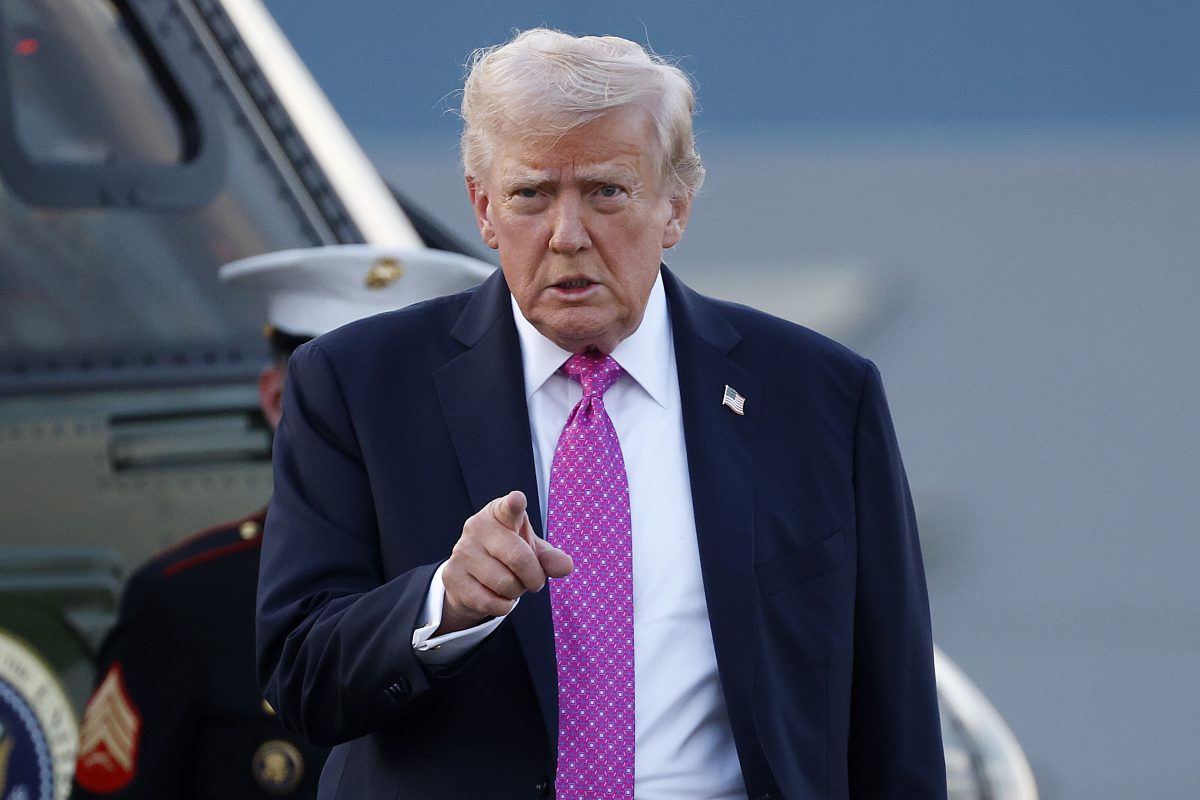
- Donald Trump threatened further escalation against Iran, including targeting infrastructure, unless negotiations begin.
Oil prices have climbed to a four-week high following heightened tensions in the Strait of Hormuz, a critical chokepoint for global energy supplies. The surge followed an exchange of strikes between the United States and Iran, rendering the waterway unsafe for maritime transit.
Brent crude, the international benchmark, surpassed the $87 per barrel mark on Tuesday, reaching its highest point since June 12, prior to a ceasefire being established. Concurrently, the yield on 10-year gilts rose above five percent, impacting the government's borrowing costs.
The US Central Command stated it had completed a "seven-hour wave" of strikes intended to "further degrade Iran’s ability to threaten commercial shipping and civilian crews." President Donald Trump has indicated a willingness to escalate military action, warning of severe repercussions for Iran in the coming days and suggesting potential targeting of power plants and bridges unless negotiations commence.
Trump also announced he would replace a previously floated "20 per cent United States Reimbursement Fee" on ships using the Strait of Hormuz with trade and investment deals with regional Gulf states. The liveblog has concluded, with market updates and analysis to follow.