Key facts
- Oil prices have fallen significantly as tankers resume passage through the Strait of Hormuz.
- President Trump has publicly criticized gasoline retailers for not lowering prices in line with falling oil costs.
- Analysis indicates that gas stations have seen increased profitability.
- Wholesale gas prices increased by 23% since late February, while retail prices rose 20% to a 22-month high.
- Profit margins for gas stations are typically squeezed during rapid price increases.
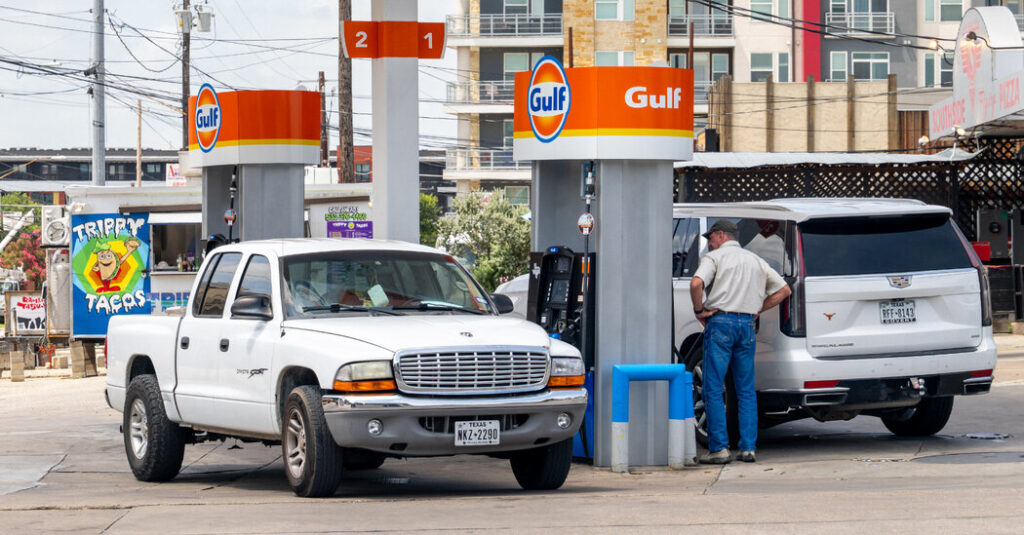
Global oil prices have fallen significantly as tankers resume passage through the Strait of Hormuz, nearing pre-conflict levels. Despite this decrease, retail gasoline prices have not followed suit, leading President Trump to criticize gas station owners for maintaining high prices. Evidence suggests that gas stations may be experiencing increased profitability during this period.
While crude oil is a primary component of gasoline, its price is only one factor influencing the cost at the pump. Consumers also pay for refining, transportation, and various taxes, including federal and state gas taxes. The switch to a more expensive 'summer blend' of gasoline in March also contributes to higher prices. Historically, gas prices have been described as rising quickly ('like a rocket') and falling slowly ('like a feather').
Gas station owners typically earn an average profit of 15 cents per gallon. However, these profit margins are often compressed when wholesale prices increase rapidly. The current situation, where oil prices are falling but retail prices remain elevated, suggests that profit margins may be widening for retailers.