Key facts
- A rapid underground water recovery project in Beijing has led to significant tree die-off.
- The initiative aimed to replenish depleted aquifers.
- The rapid water replenishment has caused soil salinization.
- This salinization has damaged tree root systems, leading to their death.
- The environmental consequences of such large-scale water management projects are now apparent.
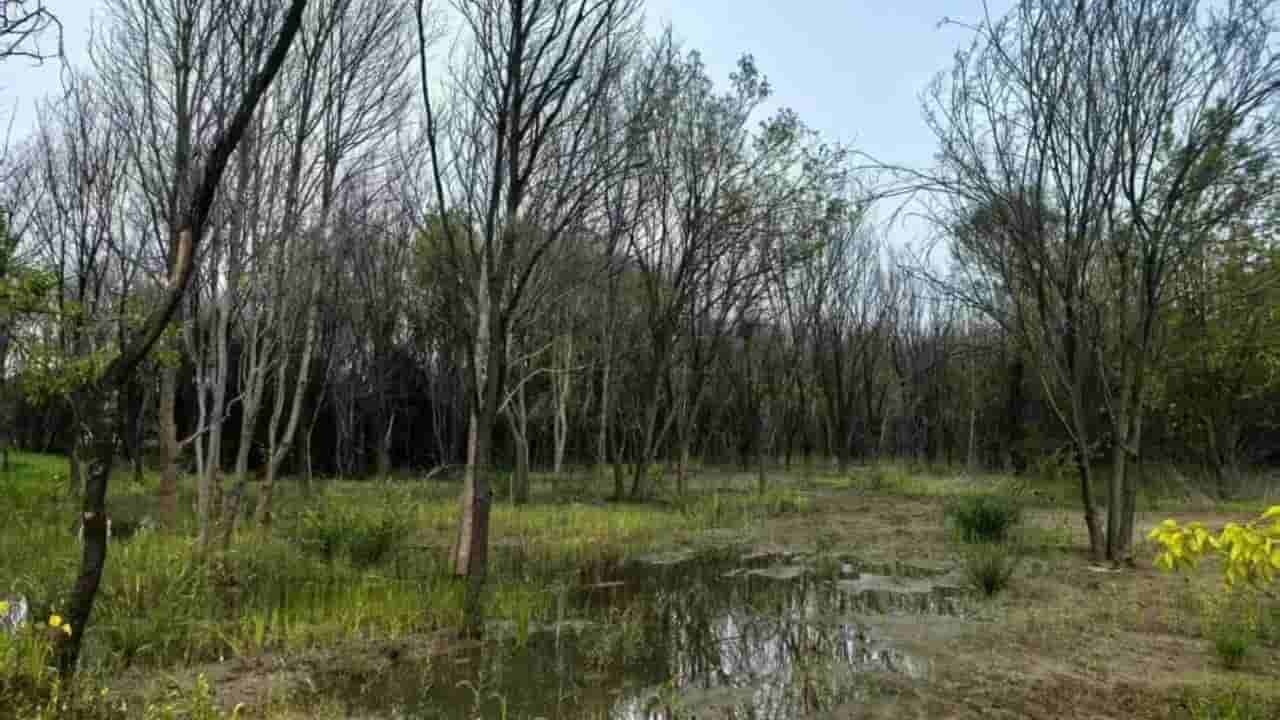
A large-scale underground water recovery project in Beijing has inadvertently led to the death of numerous trees across the city. The initiative, designed to replenish the region's depleted aquifers, has resulted in unforeseen environmental consequences, primarily soil salinization.
This rapid influx of water into the soil has damaged the root systems of many trees, causing them to wither and die. The phenomenon has brought to light the hidden risks associated with aggressive groundwater management strategies, particularly in urban environments where ecological balance is already precarious.
The situation underscores the complex interplay between water resource management and urban ecosystems, highlighting the need for more nuanced and environmentally sensitive approaches to groundwater replenishment.