Key facts
- The Indonesian rupiah has fallen past 18,000 against the US dollar.
The Indonesian rupiah has fallen past 18,000 against the US dollar, reaching all-time lows, as the nation's stocks also hit a near six-year low. Investor confidence has waned due to policy uncertainty and macroeconomic headwinds. In response, Indonesia's government will exempt natural resource exporters from income tax on export revenues deposited domestically, effective June 1, to bolster the rupiah and encourage onshore foreign exchange holdings. The IDX Composite Index closed down 1.33% on Friday, with the Jakarta Composite Index decreasing by 22.38 points to 1,667.37.
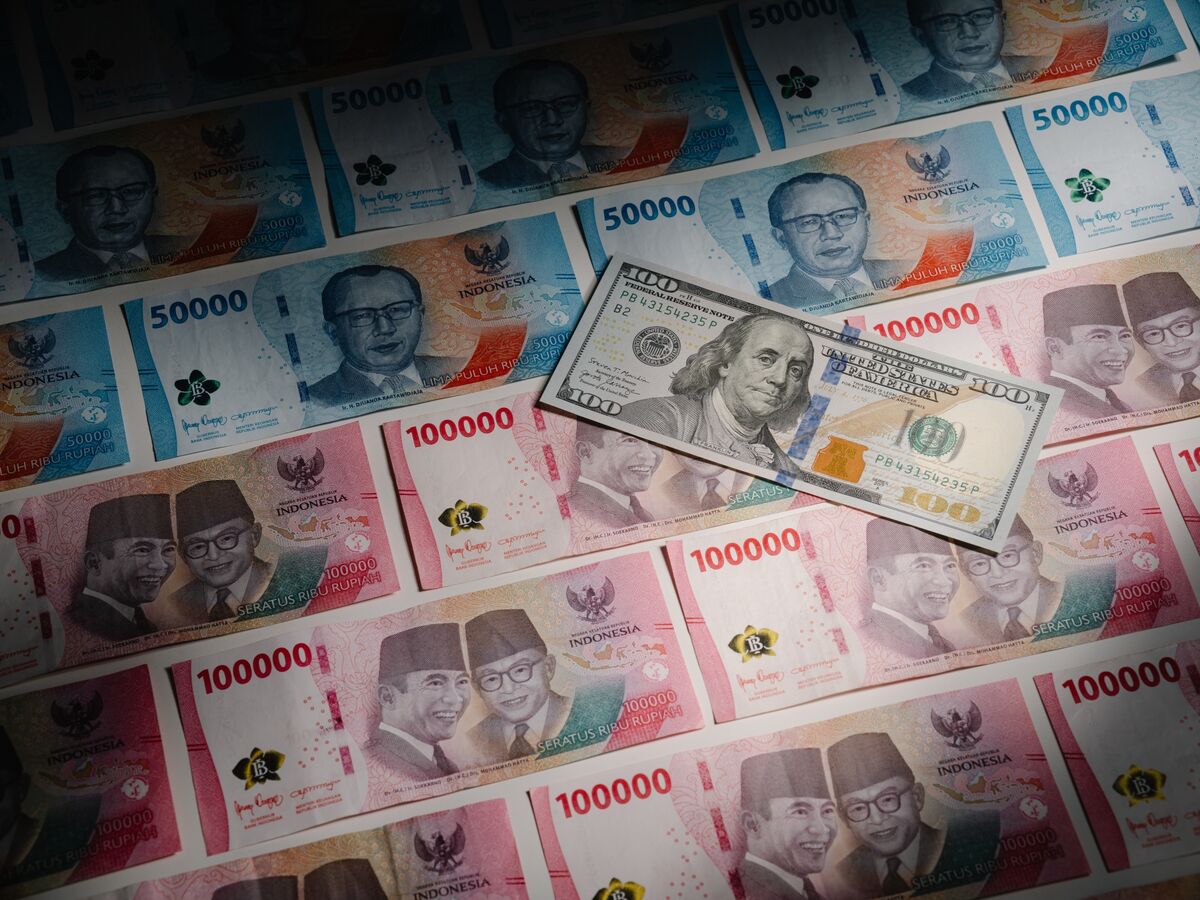
The Indonesian rupiah has fallen past the 18,000 mark against the US dollar, reaching all-time lows, as the nation's stock market also experienced a significant downturn, hitting a near six-year low. This market slump is attributed to global investors losing confidence, driven by policy uncertainty and macroeconomic headwinds. In an effort to stabilize the currency and economy, Indonesia's government announced a new policy effective June 1, which will exempt natural resource exporters from income tax on export revenues that are deposited in domestic banks. This measure is intended to bolster the rupiah and incentivize exporters to hold their foreign exchange earnings onshore.
Despite the market slump, Indonesian Finance Minister Purbaya Yudhi Sadewa defended the country's economic performance. He pointed to inflows in the debt market as evidence of investor optimism, suggesting that the current market movements do not reflect the full picture of investor sentiment. Meanwhile, on Friday, Indonesian stocks closed lower, with the IDX Composite Index experiencing a decline of 1.33%. The Jakarta Composite Index (JCI) specifically decreased by 22.38 points, settling at 1,667.37.
The government's tax exemption policy for resource exporters is a direct attempt to address the weakening rupiah and capital outflows. By offering a tax incentive for keeping export earnings within Indonesia, the authorities aim to increase the supply of foreign currency in the domestic market and reduce the demand for dollars, thereby supporting the rupiah's value. This policy targets a key sector of Indonesia's economy, which relies heavily on commodity exports.
The Indonesian rupiah has fallen past the 18,000 mark against the US dollar, reaching all-time lows, as the nation's stock market also experienced a significant downturn, hitting a near six-year low. This market slump is attributed to global investors losing confidence, driven by policy uncertainty and macroeconomic headwinds. In an effort to stabilize the currency and economy, Indonesia's government announced a new policy effective June 1, which will exempt natural resource exporters from income tax on export revenues that are deposited in domestic banks. This measure is intended to bolster the rupiah and incentivize exporters to hold their foreign exchange earnings onshore.