Indonesian Rupiah Falls Past 18,000/USD Amid Policy Concerns | PiQ Markets
4 storiesAsia-Pacific
Indonesian Rupiah Falls Past 18,000/USD Amid Policy Concerns
window 24h
IN SHORT
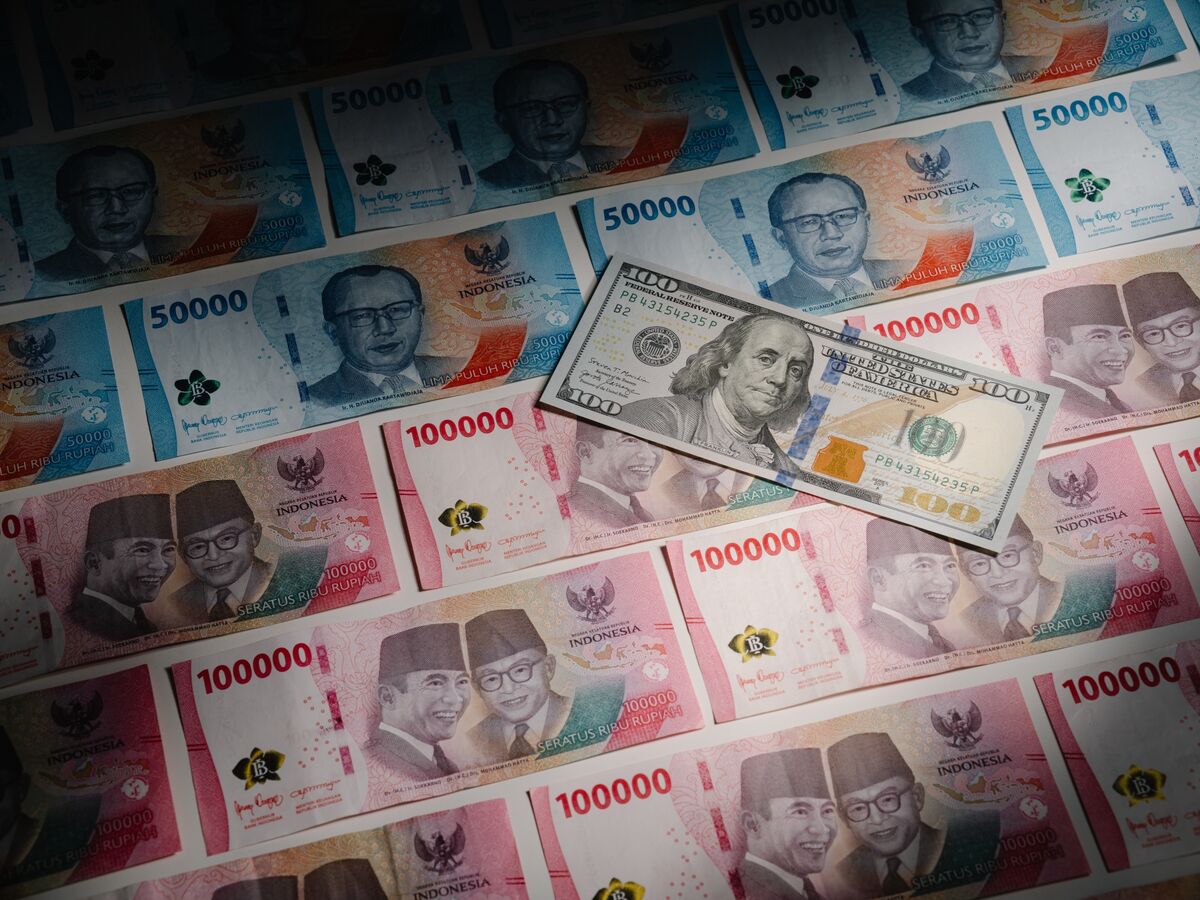
The Indonesian rupiah has fallen past 18,000 against the US dollar, reaching all-time lows, as stocks also hit a near six-year low. Investor confidence is waning due to policy uncertainty and macroeconomic headwinds. In response, Indonesia's government will exempt natural resource exporters from income tax on export revenues deposited domestically, effective June 1, to bolster the rupiah and encourage onshore foreign exchange holdings. The IDX Composite Index closed down 1.33% on Friday. The finance minister defended the economy, citing debt market inflows as proof of investor optimism.
✉Newsletter
PiQ Daily
Pick your topics. Get only what matters, on your cadence.
Key Numbers
18,000rupiah per US dollar threshold breached
1.33%IDX Composite Index daily decline
22.38Jakarta Composite Index points decrease
1,667.37Jakarta Composite Index closing level
Who's Involved
Indonesian rupiah
national currency experiencing significant weakening
US dollar
currency against which the rupiah is measured
IDX Composite Index
Indonesian stock market index experiencing a decline
Jakarta Composite Index (JCI)
specific Indonesian stock market index
Purbaya Yudhi Sadewa
Indonesian Finance Minister defending the economy
Indonesia
nation facing currency and stock market slump
1 / 2
Key facts
The Indonesian rupiah has fallen past 18,000 against the US dollar.
The rupiah has reached all-time lows.
Indonesia's stocks have hit a near six-year low.
Global investors are losing confidence due to policy uncertainty and macroeconomic headwinds.
Indonesia's government will exempt natural resource exporters from income tax on export revenues deposited in domestic banks.
This tax exemption policy is effective June 1.
The policy aims to bolster the rupiah and encourage onshore foreign exchange holdings.
The IDX Composite Index closed down 1.33% on Friday.
The Jakarta Composite Index (JCI) decreased by 22.38 points to settle at 1,667.37.
Indonesian Finance Minister Purbaya Yudhi Sadewa defended the country's economic track record.
The finance minister cited debt market inflows as proof of investor optimism.
The Indonesian rupiah has fallen below 18,000 against the US dollar, marking an all-time low for the currency. This weakening coincides with a slump in the nation's stock market, with the IDX Composite Index closing down 1.33% on Friday. The Jakarta Composite Index (JCI) specifically decreased by 22.38 points to settle at 1,667.37, reaching a near six-year low. Global investors are reportedly losing confidence due to policy uncertainty and macroeconomic headwinds.
In an effort to counter these market pressures, the Indonesian government announced a new policy effective June 1. Natural resource exporters will be exempt from income tax on export revenues that are deposited in domestic banks. This measure is intended to strengthen the rupiah and incentivize exporters to keep their foreign exchange earnings within Indonesia. Despite the market downturn, Indonesian Finance Minister Purbaya Yudhi Sadewa has defended the country's economic performance, pointing to inflows in the debt market as evidence of sustained investor optimism.
↳ Why This Matters
The Indonesian rupiah has fallen below 18,000 against the US dollar, marking an all-time low for the currency. This weakening coincides with a slump in the nation's stock market, with the IDX Composite Index closing down 1.33% on Friday. The Jakarta Composite Index (JCI) specifically decreased by 22.38 points to settle at 1,667.37, reaching a near six-year low. Global investors are reportedly losing confidence due to policy uncertainty and macroeconomic headwinds.
Frequently asked questions
The Indonesian rupiah fell past 18,000 against the US dollar on Thursday.
The Indonesian stock market hit a near six-year low on Thursday.
Investors are concerned about mounting policy uncertainty and macroeconomic headwinds.
What Happens Next
01Markets will monitor policy announcements and economic data releases for further direction.
Get the newsletter.
Pick the topics you actually care about. We'll email when there's news worth your time, on the cadence you choose. Cancel any time from your account.