Key facts
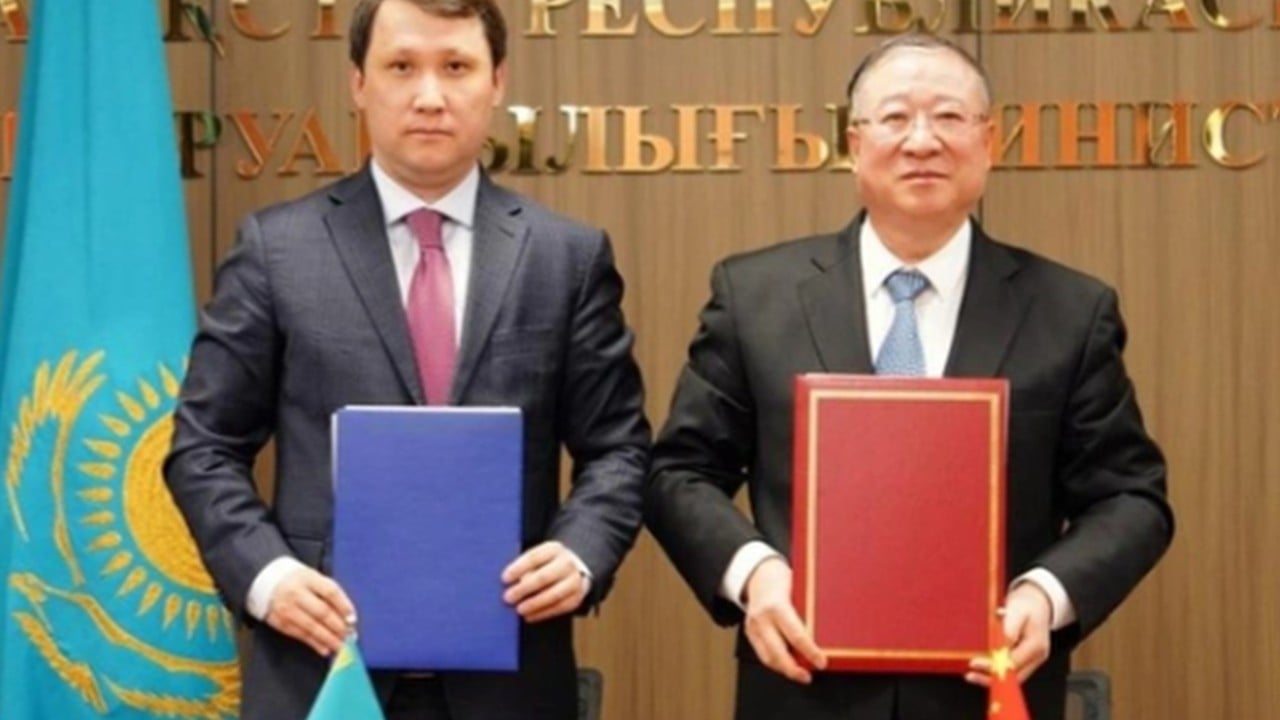
- Hong Kong Chief Executive John Lee led a 70-member delegation to Uzbekistan and Kazakhstan.
- Hong Kong signed 96 agreements worth US$1.65 billion with Kazakhstan and Uzbekistan.
- Merchandise trade between Hong Kong and Central Asia reached over $320 million in 2025.
- Merchandise trade between Hong Kong and Central Asia increased 27% since 2020.
- Cathay Pacific will restart flights to Almaty in Q1 2027.
- An agreement with Uzbekistan will enable new direct flight routes.
- Central Asia is suggested as a potential strategic logistics hub for Hong Kong.
- Cargo volume between Hong Kong and two Central Asian countries surged nearly fivefold year-on-year.
- New Zealand will directly address China regarding its travel ban on lawmakers.
Hong Kong is actively pursuing enhanced trade and business relationships with Central Asian nations, specifically Uzbekistan and Kazakhstan. Chief Executive John Lee is spearheading this initiative, leading a substantial delegation of 70 members to the region. The visit aims to position Hong Kong as a key financial and business gateway for Central Asia.
During the delegation's visit, a significant number of agreements were finalized. A total of 96 deals were signed between Hong Kong and the two Central Asian countries, collectively valued at US$1.65 billion. These agreements are intended to bolster both government-to-government and business-to-business connections. Furthermore, an agreement with Uzbekistan will facilitate the establishment of new direct flight routes, enhancing connectivity.
Merchandise trade between Hong Kong and Central Asia has shown considerable growth. In 2025, this trade reached a value exceeding $320 million, marking a 27% increase compared to 2020 figures. Looking ahead, Cathay Pacific is scheduled to resume flights to Almaty in the first quarter of 2027, further improving travel and trade links. The Hong Kong Airport Authority, through its Chairman Fred Lam Tin-fuk, has also identified Central Asia as a potential strategic logistics hub. This suggestion is influenced by ongoing conflicts in the Middle East and Europe, which may disrupt traditional logistics routes. Cargo volume between Hong Kong and these two Central Asian countries has experienced a substantial surge, increasing nearly fivefold year-on-year, underscoring the growing importance of this region for logistics.
Separately, New Zealand Prime Minister Christopher Luxon announced that his country will directly engage with China concerning its travel ban on New Zealand lawmakers. This indicates a commitment to direct dialogue on contentious bilateral issues.