Key facts
- Artificial intelligence skills are required for 40% of graduate job openings in China.
- Employee training hours in Hong Kong reached a 14-year peak in 2023.
- The increase in Hong Kong employee training is fueled by the adoption of artificial intelligence.
- Experts warn that the training trend may challenge recent graduates in securing entry-level positions.
- The demand for AI expertise is growing in China's labor market.
- Companies are adopting artificial intelligence technologies in Hong Kong.
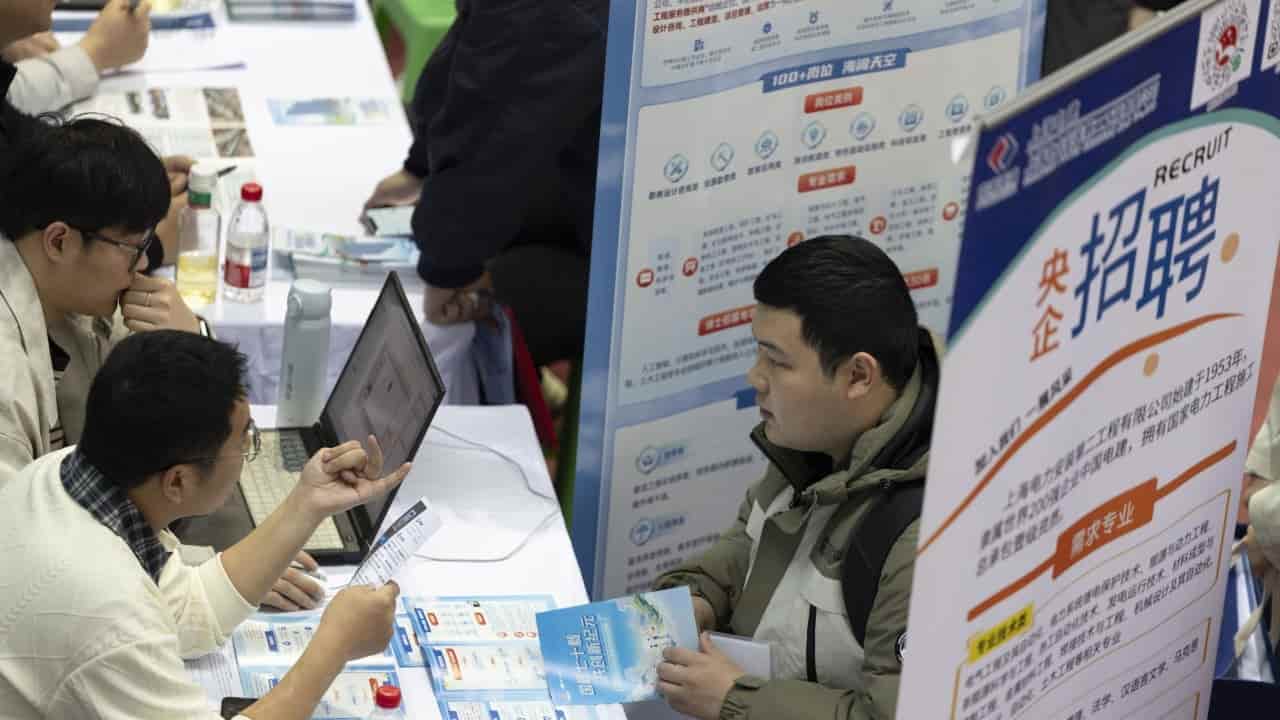
The increasing integration of artificial intelligence is profoundly impacting the job markets in both China and Hong Kong. In China, a recruitment portal has reported that artificial intelligence skills are now a mandatory requirement for 40% of graduate job openings. This statistic underscores the burgeoning demand for AI expertise within the country's labor landscape, signaling a significant transformation in the qualifications sought by employers.
Concurrently, Hong Kong has experienced a notable surge in employee training, with hours dedicated to professional development reaching a 14-year high in 2023. This trend is directly attributed to the widespread adoption of artificial intelligence technologies across various industries. Experts, however, caution that this focus on upskilling the current workforce might inadvertently create hurdles for recent graduates attempting to secure entry-level positions. As companies invest more in training their existing employees to adapt to AI, the competition for foundational roles could intensify for those just entering the professional world.
The data from China and Hong Kong collectively illustrate a broader trend of AI-driven labor market evolution. The demand for AI-specific skills is rising, necessitating continuous learning and adaptation from the workforce. This shift suggests that educational institutions and individuals alike must prioritize AI literacy and specialized training to remain competitive. The challenge for new entrants into the job market will be to demonstrate relevant skills in an environment where established employees are also undergoing significant upskilling.