Key facts
- Maruti Suzuki has launched India's first flex-fuel car, the Wagon R FFV.
- The vehicle can run on any blend of ethanol and petrol, from E20 to E100.
- The launch aligns with India's goal to reduce reliance on crude oil imports.
- The government supports biofuels like ethanol to enhance energy security and rural economies.
- Flex-fuel vehicles are seen as beneficial for farmers, industry, and the environment.
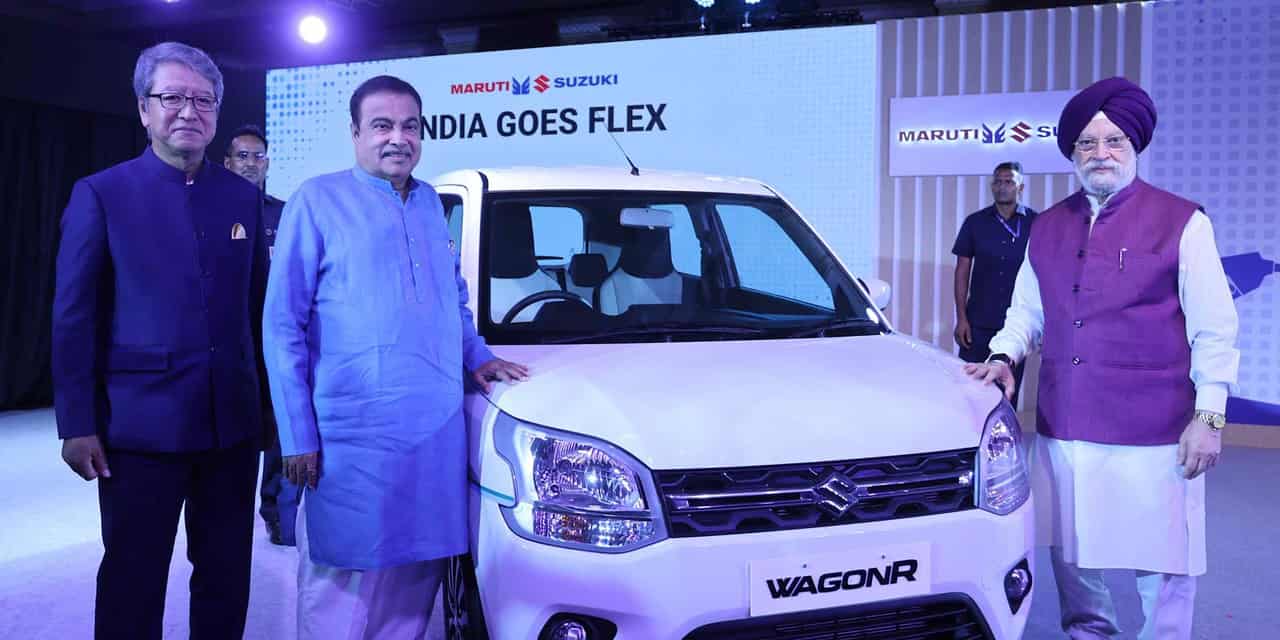
Maruti Suzuki India Limited has launched the Wagon R FFV, marking the introduction of India's first mass-market flex-fuel car. The vehicle is engineered to run on any blend of ethanol and petrol, from E20 to E100.
The launch, attended by Union Ministers Nitin Gadkari and Hardeep Singh Puri, aligns with the Indian government's vision to reduce dependence on crude oil imports and bolster energy security through biofuels.
Ministers emphasized that flex-fuel vehicles will create sustainable demand for ethanol, benefiting farmers, strengthening the rural economy, and reducing foreign exchange expenditure on oil imports. They expressed confidence that this initiative will encourage other manufacturers to adopt flex-fuel technology and support the development of ethanol distribution infrastructure.
Maruti Suzuki stated its commitment to offering diverse fuel technologies, including flex-fuel vehicles, to meet national goals of reducing oil imports and carbon emissions. The company believes flex-fuel vehicles have the potential to cut emissions and local air pollution while enhancing farmer incomes.
Flex-fuel vehicles contribute to reducing particulate matter emissions, improving local air quality. Suzuki is advancing various environmental technologies, including flex-fuel vehicles, to meet regional energy needs and customer requirements.