Key facts
- Takeda Pharmaceutical's dengue vaccine, Qdenga, has been approved by India's Central Drugs Standard Control Organisation.
- Qdenga is the first vaccine for dengue prevention to receive marketing approval in India.
- The vaccine is approved for individuals aged 4 to 60 years.
- Takeda plans to launch Qdenga commercially in India in the first half of 2027, starting with the private market.
- The company intends to pursue government procurement and inclusion in the National Immunisation Programme.
- India has a substantial dengue burden, representing about one-third of the global cases.
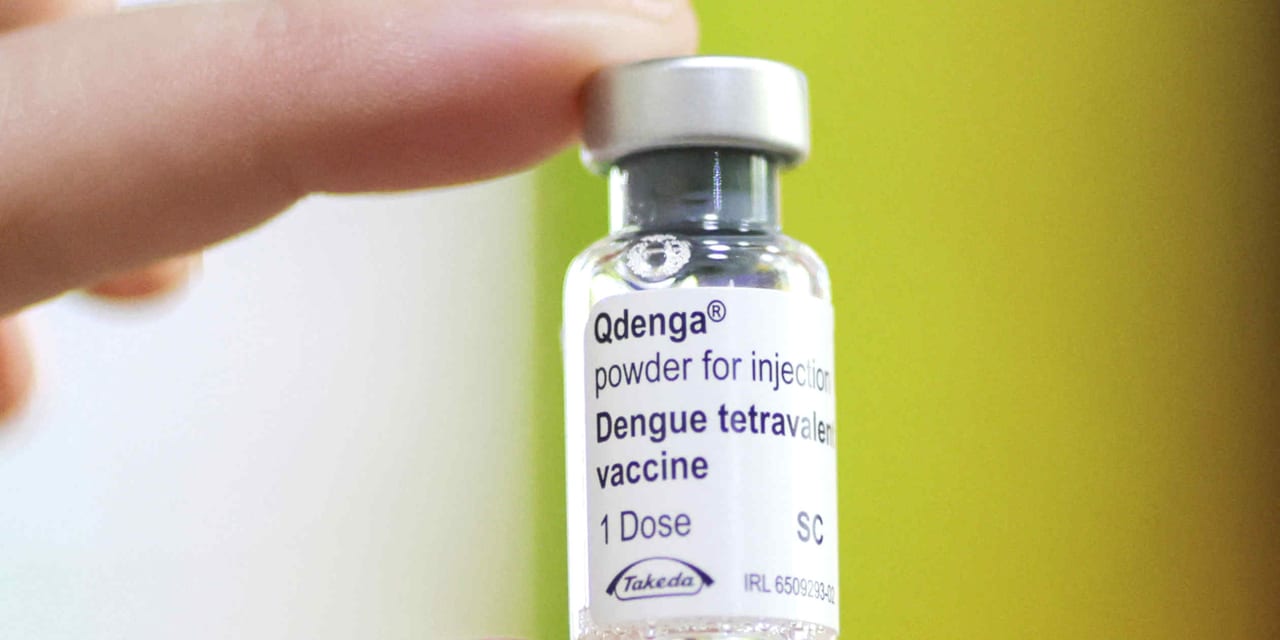
Takeda Pharmaceutical is aiming to integrate its newly approved dengue vaccine, Qdenga, into India's national immunization framework. The vaccine recently secured marketing approval from India's Central Drugs Standard Control Organisation, marking a significant step for the Japanese drugmaker in one of the world's largest markets for infectious diseases. Qdenga is the first vaccine for dengue prevention to be approved in India and is recommended for individuals aged 4 to 60.
Takeda plans to launch Qdenga commercially in the first half of calendar year 2027, initially making it available through the private sector. Following this, the company intends to pursue government procurement and eventual inclusion in the National Immunisation Programme (NIP). Mahender Nayak, president of Takeda's intercontinental region, stated that this move broadens Takeda's public health focus in India, which has seen a substantial increase in dengue cases over the past decade.
The vaccine is designed to protect against all four serotypes of the dengue virus and can be administered without pre-vaccination testing, unlike some other dengue vaccines. Clinical data indicates significant efficacy against dengue-related hospitalizations and sustained safety and effectiveness for up to seven years. Takeda has also established a manufacturing partnership with Hyderabad-based Biological E to support its goal of producing 100 million doses annually by the end of the decade.
India accounts for approximately one-third of the global dengue burden. Reported cases in India exceeded 121,000 in 2025, with modeling suggesting the actual number of infections could be in the tens of millions annually. Takeda has conducted extensive global trials for Qdenga, which has already received approval in 43 countries and prequalification from the World Health Organization.