All NewsEducationTV
Equities & FundsCrypto & Digital AssetsAI & TechnologyBusiness & CorporateUS Politics & PolicyGeopolitics & Global RiskMacro, Rates & FXCommodities & EnergyEuropean Politics & MarketsAsia-PacificReal Estate & Property
Story archiveAll categories
← All Stories

India proposes new fees for UPI payment network

Created at 4 Aug · 2:06 PM1 source↑ Market-relevant
IN SHORT

India is considering new legislation that would allow merchants to pay charges on some Unified Payments Interface (UPI) transactions, potentially creating a new revenue stream for the digital payments industry. This move aims to fund the network's expansion and infrastructure costs.

✉Newsletter

PiQ Daily

Pick your topics. Get only what matters, on your cadence.

Key Numbers

23.66 billionUPI transactions in July
₹29.88 trillionValue of UPI transactions in July
$313.4 billionApproximate value of UPI transactions in July
January 2020Date merchant discount rates were scrapped for UPI
₹50 billion to ₹100 billionEstimated annual revenue from merchant charges by fiscal 2028
$525 million to $1.05 billionEstimated annual revenue from merchant charges by fiscal 2028
15–30 basis pointsAssumed fee for merchant charges
₹2,000Transaction value threshold for potential charges
$21Approximate transaction value threshold for potential charges
4%Share of payment volumes above ₹2,000
70%Share of transaction value above ₹2,000
80%Combined market share of PhonePe and Google Pay

Who's Involved

National Payments Corporation of India
Operator of UPI
Amrish Rau
CEO of Pine Labs, commented on the move
Jefferies
Brokerage firm that estimated potential revenue generation
Bernstein
Brokerage firm that analyzed potential approaches to merchant fees
PhonePe
Walmart-owned company dominating UPI transaction volumes
Google Pay
Alphabet-owned company dominating UPI transaction volumes
India proposes new fees for UPI payment network

↳ Why This Matters

This legislative move could fundamentally alter the economics of digital payments in India, creating a sustainable funding model for the ubiquitous UPI network and potentially generating billions in new revenue for payment providers, while aiming to maintain its accessibility for consumers and small businesses.

Key facts

  • India is proposing legislation to potentially introduce fees for merchants on some UPI transactions.
  • The move aims to establish a sustainable business model for the rapidly growing UPI network.
  • UPI processed 23.66 billion transactions worth approximately $313.4 billion in July.
  • The legislation could generate an additional $525 million to $1.05 billion in annual revenue for the payments industry.
  • Any new charges may be limited to larger merchants and higher-value transactions.

India is moving to establish a business model for its Unified Payments Interface (UPI) network through new legislation that could allow merchants to be charged for certain transactions. This initiative aims to address the funding challenges of the rapidly expanding digital payments system, which has seen explosive growth since merchant fees were eliminated in 2020.

The proposed legislation lays the groundwork for potentially ending the zero-merchant-discount-rate (MDR) regime, under which businesses have not paid fees to accept UPI payments. The move comes after years of discussion between financial authorities and payment companies regarding how to sustain the network's operations, IT infrastructure, and cybersecurity investments.

Fintech executives have welcomed the potential shift, suggesting that allowing the industry to recover some costs from merchants, while keeping consumer and peer-to-peer payments free, would ensure UPI's long-term sustainability and global expansion. The legislation itself does not mandate fees but opens the door for future specifications.

Market analysts anticipate that introducing charges on higher-value UPI transactions could generate significant new annual revenue for India's payments sector, estimated between ₹50 billion and ₹100 billion ($525 million to $1.05 billion) by fiscal 2028. Reports suggest that any fees might be limited to larger merchants, preserving UPI's consumer-friendly nature while creating a substantial revenue stream for banks and payment providers.

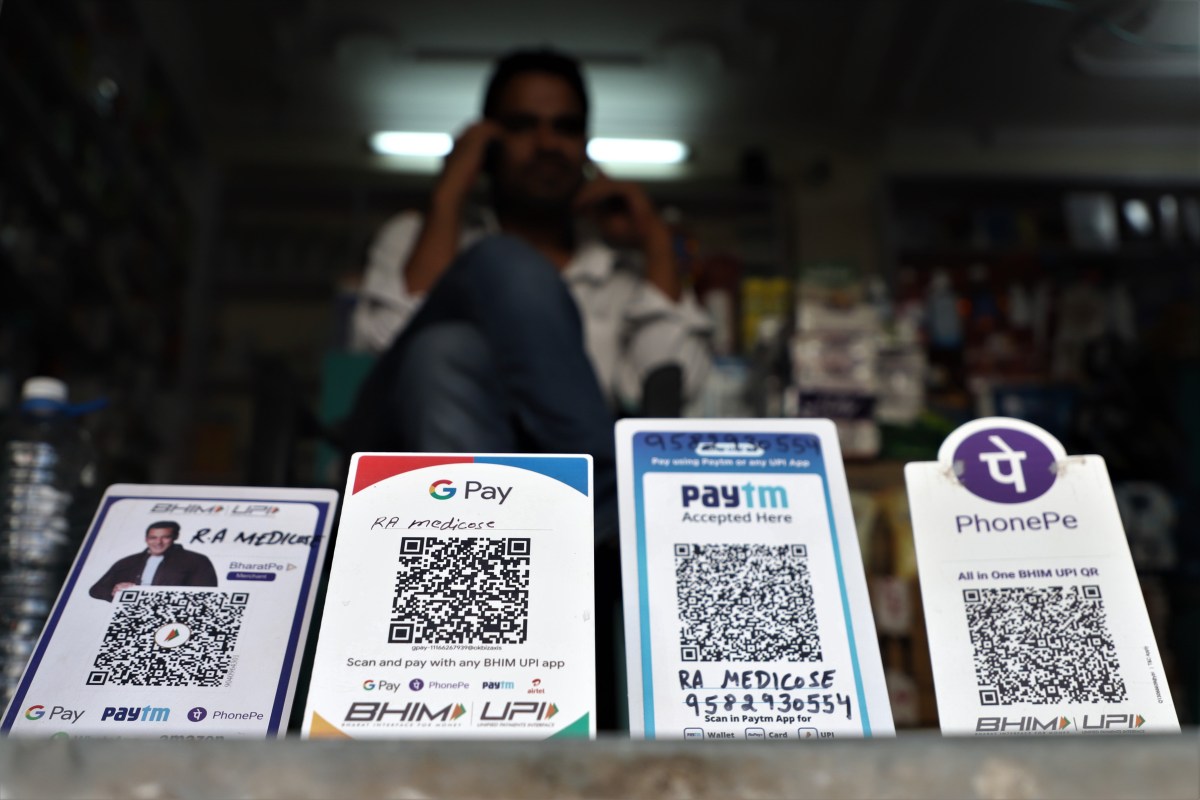
This policy shift is expected to be closely monitored by countries where UPI is already operational, including Singapore, the UAE, and France. Companies like Walmart-owned PhonePe and Alphabet's Google Pay, which together handle nearly 80% of UPI transaction volumes, will be significantly impacted, though the ultimate benefit will depend on how any new fees are distributed across the ecosystem.

Frequently asked questions

UPI is a widely used instant payment network in India, built by the government and operated by the National Payments Corporation of India. It facilitates seamless peer-to-peer and merchant transactions.

The zero-merchant-discount-rate (MDR) regime since 2020 has made it difficult to fund the growing network's infrastructure, IT, and cybersecurity costs. The move aims to create a sustainable business model.

The legislation does not specify which transactions will be affected, but reports suggest charges may be limited to larger merchants and higher-value transactions, preserving the consumer-friendly model.

Analysts estimate that introducing merchant charges on higher-value UPI transactions could generate an additional ₹50 billion to ₹100 billion (about $525 million to $1.05 billion) in annual revenue by fiscal 2028.

What Happens Next

01Details on specific merchant fees and affected transactions will be specified later.
02The legislation's implementation will be closely watched by countries using UPI.

Get the newsletter.

Pick the topics you actually care about. We'll email when there's news worth your time, on the cadence you choose. Cancel any time from your account.

Cadence

How It Developed

India's Unified Payments Interface (UPI) has processed a record 23.66 billion transactions worth ₹29.88 trillion in July.
Legislation has been proposed to create a legal framework for potential overhaul of India's zero-merchant-discount-rate (MDR) regime.
The proposal follows years of debate among finance ministry, central bank, and payment companies over funding the growing network.
Fintech CEO Amrish Rau welcomed the move, stating it would put UPI on a more sustainable footing.
Legislation does not specify fees or affected transactions, leaving details for later.
Analysts estimate introducing merchant charges on higher-value UPI transactions could generate ₹50 billion to ₹100 billion annually.
Officials are reportedly considering limiting charges to larger merchants.
This approach would preserve UPI's consumer-friendly model while creating a new revenue pool for banks and payment companies.

Sources

T1
India moves to give its instant payments network a business modelTechCrunch

Related Stories

Can a tech titan fix India's education crisis?
4 Aug · 3:05 AM
Youth discontent poses challenge for PM Modi amid job and education crisis
3 Aug · 11:36 PM
China Launches New Anti-Crime Sweep, Pledges Restraint on Private Sector
4 Aug · 1:06 AM
Japan aims to foster space industry competition with new fund
3 Aug · 6:56 PM
Suzuki to export electric minicars to Europe as soon as 2027
3 Aug · 3:56 PM