Key facts
- Malaysia's Inland Revenue Board (LHDN) is monitoring the market for high-value collectibles, especially trading cards.
- The LHDN stated that hobby activities can become subject to income tax if they indicate a profit-making business.
- The board will use 'badges of trade' to assess if profits from collectible trading are taxable.
- Factors considered include transaction frequency, profit intention, financing methods, holding periods, and organization level.
- Profits from activities resembling trading will be treated as business income, while personal sales without profit motive are not taxable.
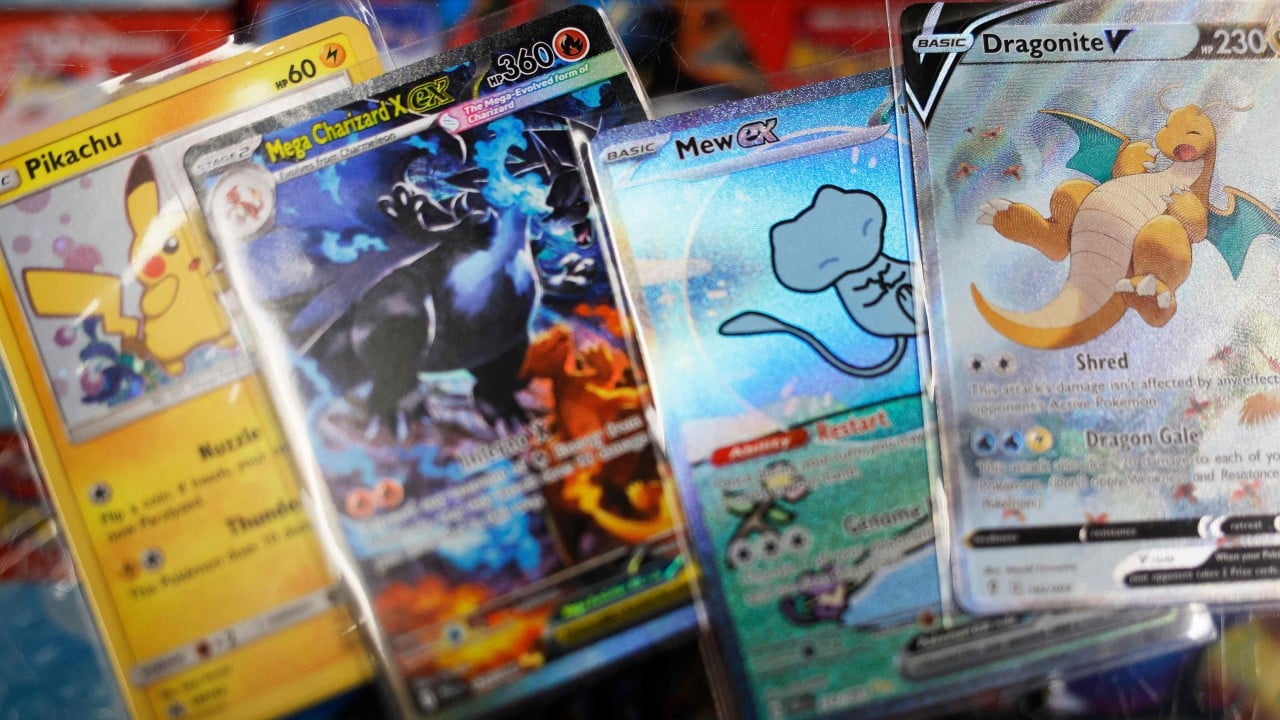
Malaysia's tax authorities are closely observing the burgeoning market for high-value collectibles, particularly trading cards, where transactions can involve thousands of ringgit. The Inland Revenue Board (LHDN) has issued a reminder to collectors about their tax responsibilities, emphasizing that hobby activities can become subject to income tax if they are conducted in a manner that indicates a profit-making or business activity.
The LHDN clarified that it possesses mechanisms to determine the taxability of profits derived from such trading. The board will apply established 'badges of trade' to evaluate various factors, including the frequency and volume of transactions, the intention behind the activity (speculative profit versus personal collection), the method of financing, the holding period of the items, and the level of organization involved, such as systematic buying and selling or the use of trading platforms.
According to the LHDN, activities that resemble trading or dealing, similar in nature to stock trading though with different tax treatments, will generally result in profits being classified as business income. However, the board noted that occasional sales of personal collectibles made without a profit motive are typically not subject to taxation.