China is tightening restrictions on how its citizens can engage with global markets as part of a strategy to keep capital within the country amid a deepening fiscal crisis. The government is turning to the private sector for revenue rather than implementing large-scale stimulus, signaling a significant shift from past economic responses.
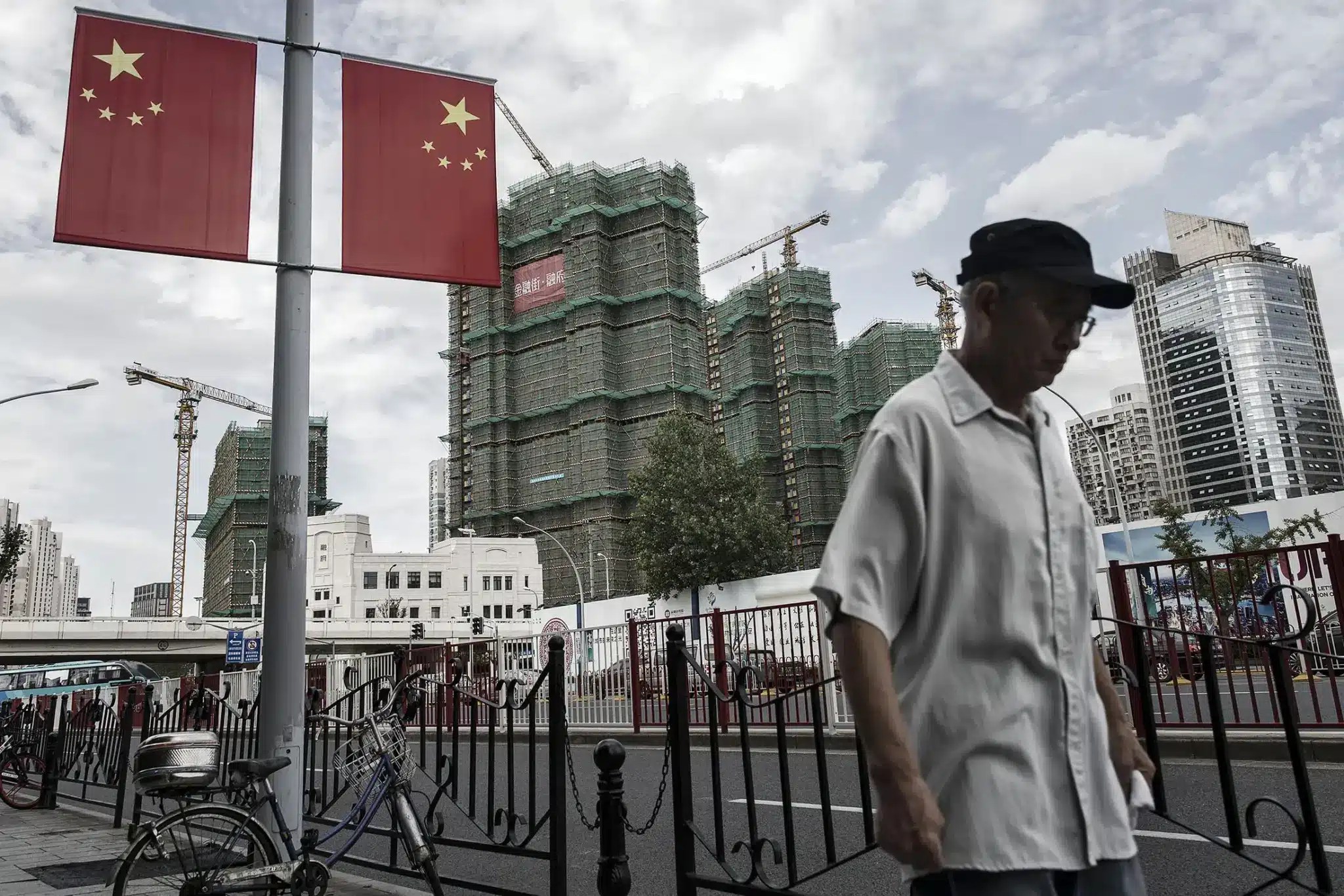
The crisis stems from a collapse in the property market, which was a primary revenue source for local governments, leaving them with an estimated $13 trillion in debt. Developers have gone bankrupt, construction has halted, and land sales have plummeted, forcing local authorities to seek immediate cash to cover expenses.
In response, Beijing has signaled a strategic pivot towards "high-quality growth" focused on advanced manufacturing, electric vehicles, and green energy, moving away from real estate dependency. This approach avoids the central government taking on local debt and prevents currency devaluation that could trigger capital flight. President Xi Jinping has also emphasized industrial dominance over "welfarism."
To shore up finances, authorities are increasing pressure on the private sector through arbitrary fines, aggressive tax audits, and efforts to track down offshore assets. Financial surveillance is being expanded, and even religious institutions are subject to audits. A former Chinese official, Ma Ruilin, has also detailed a vast surveillance network used to monitor citizens both domestically and abroad, including targeting religious minorities.