Key facts
- Japan is reviewing its de minimis rule, which exempts imports valued at ¥10,000 or less from customs duties and consumption tax.
Japan is considering revising its de minimis rule, which exempts imports under ¥10,000 from duties and taxes. The number of such shipments has surged dramatically, raising concerns about tax revenue loss and unfair competition for domestic businesses.
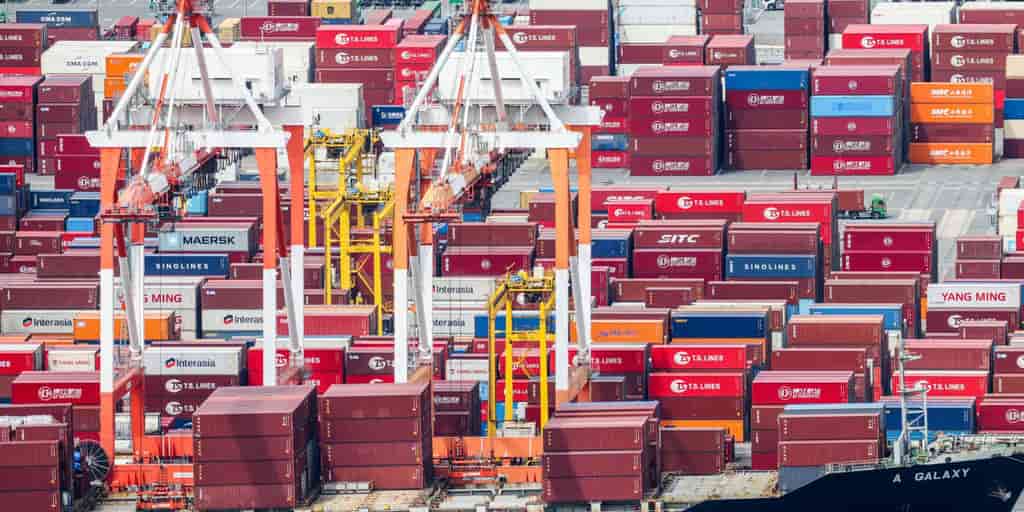
The potential revision of Japan's de minimis rule could significantly impact global e-commerce platforms and cross-border trade, potentially increasing costs for consumers and altering competitive dynamics for domestic retailers.
Japan is contemplating significant changes to its de minimis customs rule, which exempts imported goods valued at ¥10,000 or less from duties and consumption tax. This review comes amid a dramatic surge in low-value shipments, largely driven by the growth of cross-border e-commerce platforms, particularly from China. The number of such imports has nearly quintupled between 2019 and 2024, reaching over 169 million parcels annually.
This influx has sparked global momentum to re-evaluate de minimis systems, with countries like Australia, the EU, and the UK already strengthening their measures. Concerns in Japan include significant tax revenue loss and unfair competitive pressure on domestic businesses, which argue that low-priced imports threaten their market share. The Organization for Economic Cooperation and Development (OECD) has also highlighted these issues.
A working group under Japan's Ministry of Finance released an interim report on November 21, 2025, outlining potential reforms. These include adopting international models for tax collection, such as requiring foreign sellers to register and collect VAT or GST at the point of sale, similar to the EU and Australia. Other considerations involve eliminating the customs duty exemption entirely, lowering the de minimis threshold, or reevaluating the simplified customs duty rate. The report also suggests potentially abolishing the special provision for determining taxable prices.
However, the report acknowledges practical challenges, including potential impacts on expedited customs clearance and importer convenience. The current system, established in 1989, did not anticipate the scale of modern e-commerce. There are also broader concerns that a surge in low-value imports could lead to lax border controls, potentially facilitating the entry of illegal drugs and counterfeit goods.