Key facts
- China is overhauling its supply chain finance market to regulate electronic IOUs.
China is implementing a significant overhaul of its supply chain finance sector, aiming to regulate trillions of yuan in electronic IOUs. The move seeks to protect smaller suppliers by addressing issues in platform-based financing, credit scoring, and disbursement processes.
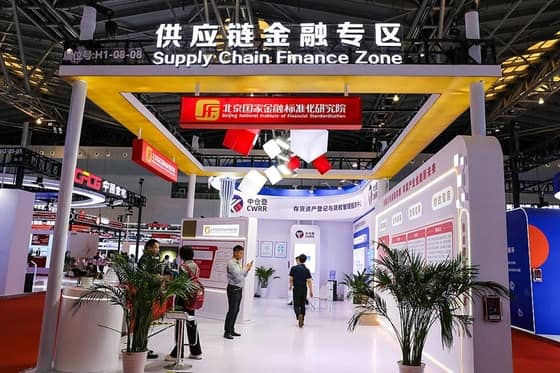
This overhaul aims to stabilize a critical segment of China's financial system, reduce systemic risk associated with electronic IOUs, and improve access to working capital for smaller businesses, thereby supporting broader economic stability and growth.
China is implementing a significant overhaul of its supply chain finance market, aiming to regulate trillions of yuan in electronic IOUs and protect vulnerable smaller suppliers. The initiative addresses the fragmented landscape of supply chain platforms, which includes those built by core enterprises, traditional financial institutions, and independent fintech firms.
Key players like Ant Group leverage their data ecosystems for SME lending, while JD.com uses inventory turnover data. The Industrial and Commercial Bank of China competes with its substantial state-backed balance sheet capacity. Supply chain financing typically involves short-term credit instruments like reverse factoring or dynamic discounting, bridging working capital gaps for suppliers lacking direct bank access.
Invoice financing remains dominant due to straightforward VAT invoice verification, but blockchain-based solutions are rapidly expanding to reduce reconciliation friction. The People's Bank of China and the National Financial Regulatory Administration are influencing market structure through capital adequacy requirements for asset-backed securities and SME lending quotas. Additionally, MIIT's industrial internet standards mandate interoperable data formats, reducing onboarding friction for SME suppliers.
Market dynamics are shifting towards integrated service procurement, with growth catalysts including mandated interoperable data formats and demand from electronics manufacturing clusters. However, restraints such as capital adequacy requirements for non-bank lenders and data sovereignty friction for foreign-affiliated fintech operators persist. Strategic opportunities lie in underpenetrated manufacturing corridors and the development of carbon-linked financing instruments.