Key facts
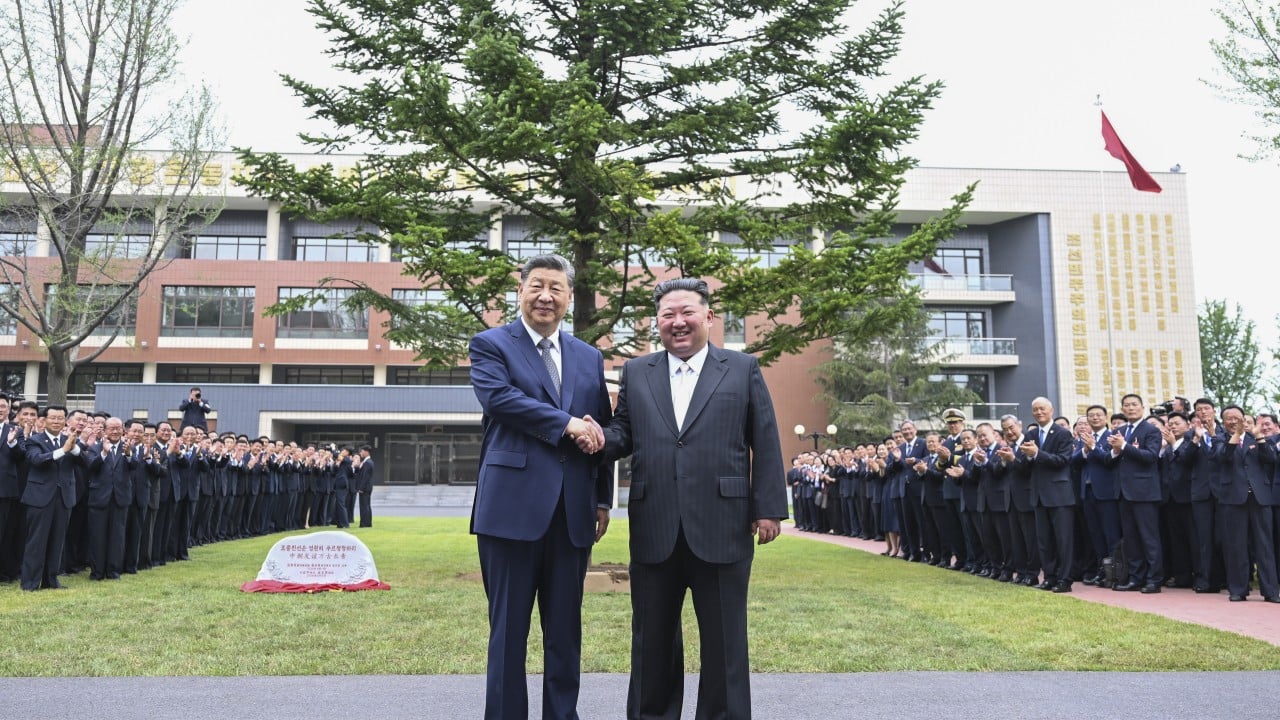
- Chinese President Xi Jinping met with North Korean leader Kim Jong-un, agreeing to enhance diplomatic, law enforcement, and military exchanges.
- The US Department of Defense added 188 Chinese companies, including Alibaba, BYD, and Baidu, to its list of "Chinese military companies."
- The expanded US blacklist targets technology and industrial giants across various sectors.
- Alibaba denied being a military company and vowed legal action against the designation.
- China's foreign ministry condemned the US action as discriminatory and an abuse of national security concepts.
Chinese President Xi Jinping's recent meeting with North Korean leader Kim Jong-un, during which they agreed to enhance exchanges in diplomacy, law enforcement, and military affairs, has been interpreted as a message potentially aimed at both the US and Russia. This development occurred as the US Department of Defense significantly expanded its blacklist of Chinese companies deemed linked to China's military.
The Pentagon's updated Section 1260H list now includes 188 entities, up from 134, targeting major Chinese technology and industrial firms. Prominent additions include e-commerce giant Alibaba, search and AI company Baidu, electric vehicle manufacturers BYD and Nio, pharmaceutical firm WuXi AppTec, robot maker Unitree, and solar companies JA Solar and Trina Solar, among others. The designation can impede these companies' access to US capital markets and government business, though it does not automatically impose sanctions.
Alibaba, which owns the South China Morning Post, issued a statement asserting that there is no basis for its inclusion on the list, emphasizing that it is not a Chinese military company nor part of any military-civil fusion strategy. The company indicated it would pursue all available legal actions.
China's foreign ministry strongly opposed the US action, with spokesman Lin Jian calling it discriminatory and an overextension of national security concepts. The ministry stated Beijing firmly opposes the US's practice of creating various lists to target Chinese businesses.
Analysts suggest North Korea's strategic importance to China is growing as a counterweight to the US. However, North Korea's state media did not report Xi's remarks on increasing military exchanges, despite extensive coverage of the visit. The presence of defense ministers from both countries at the meeting marked a notable emphasis on military matters, a departure from previous summits.