Key facts
- Multiple African nations are integrating Chinese language into their national education systems.
- A significant shortage of qualified Chinese language teachers is a major obstacle to this expansion.
- Confucius Institutes, established by China, have been key providers of Chinese language education in Africa.
- Countries like Tunisia, Cameroon, South Africa, Uganda, Tanzania, Zimbabwe, Nigeria, Egypt, and Kenya are involved in this trend.
- The University of Zimbabwe has a notable Confucius Institute that has taught thousands of students and trained local teachers.
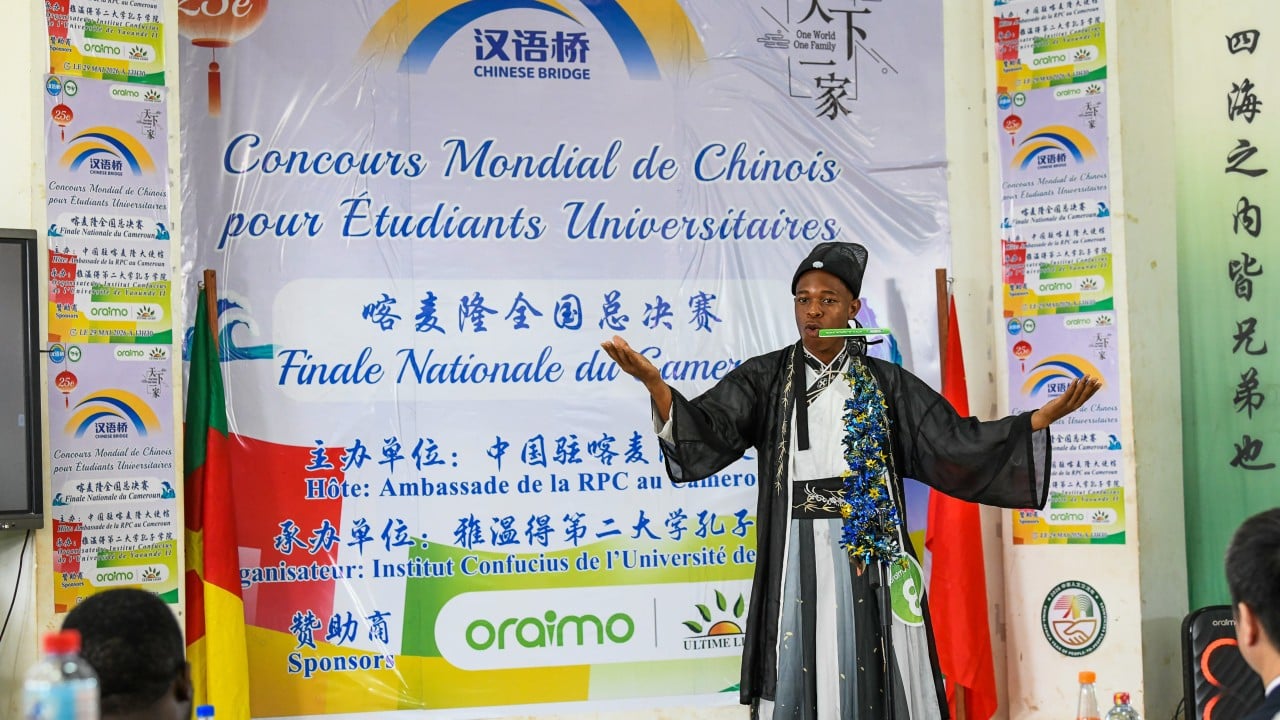
African nations are increasingly seeking to integrate Chinese language education into their national curricula, reflecting China's deepening influence and economic ties across the continent. Countries such as Tunisia, Cameroon, South Africa, Uganda, Tanzania, Zimbabwe, Nigeria, Egypt, and Kenya are either already offering Chinese as a subject or are in the process of doing so.
Historically, Chinese language instruction in Africa has been primarily delivered through Confucius Institutes, which are backed by Beijing, and through independent schools operated by Chinese nationals. However, the growing demand for Chinese language proficiency is outpacing the supply of qualified educators, creating a significant bottleneck for these educational ambitions.
The Confucius Institute at the University of Zimbabwe, for instance, celebrated its fifteenth anniversary in March 2023, highlighting its role in teaching Mandarin from primary to university levels. Since its establishment in 2007, it has taught over 16,000 students and has been recognized for training local teachers. Zimbabwe was a pioneer in southern Africa, formally institutionalizing Chinese language teaching in 2007.
By April 2022, approximately 16 African countries had incorporated Chinese into their national education systems, with around 30 universities offering Chinese majors. This trend underscores the rising importance of the Chinese language across Africa, driven by expanding bilateral relationships and cultural exchanges.