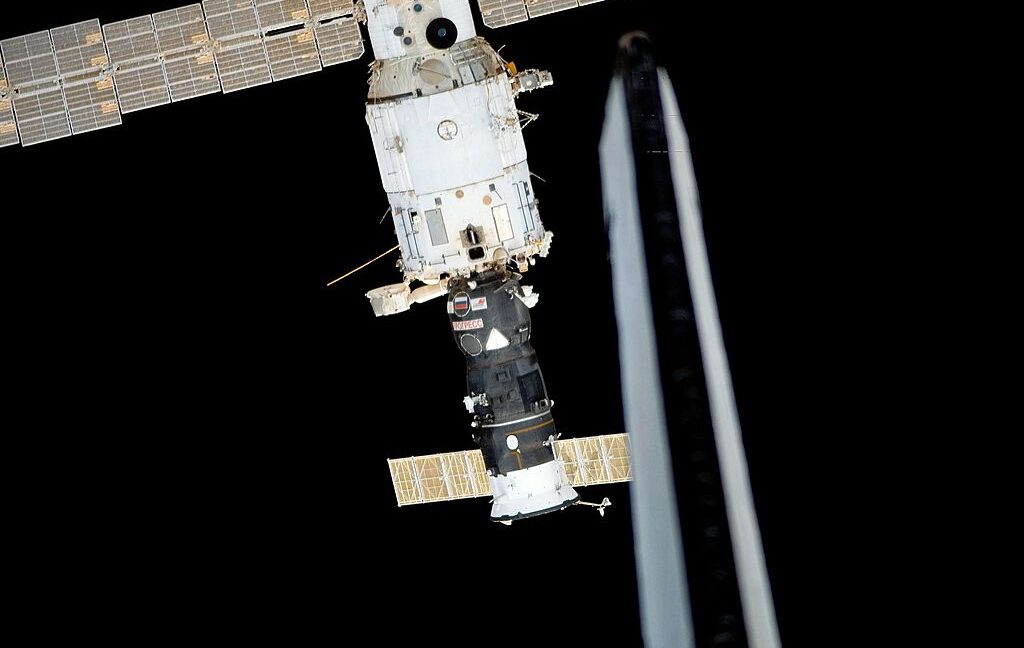
Russia to Decommission ISS Module Amid Safety Dispute
window 24h
IN SHORT
Russia will decommission the PrK module on the International Space Station (ISS) due to safety concerns over persistent cracks and corrosion, which NASA flagged as a risk of rapid depressurization. This agreement allows continued use of the docking port. Meanwhile, the upper stage of a Chinese Zhuque-2E rocket broke apart in orbit, potentially creating 100 to 150 pieces of space debris near the Starlink constellation and the ISS, though no immediate threats to human spaceflight are anticipated.
✉Newsletter
PiQ Daily
Pick your topics. Get only what matters, on your cadence.
Key Numbers
100 to 150pieces of space debris from Chinese rocket
Who's Involved
Russia
nation decommissioning ISS module due to safety dispute
PrK module
ISS module to be decommissioned
International Space Station
space station with a module being decommissioned and near debris
NASA
agency that raised safety concerns about ISS module
Chinese Zhuque-2E rocket
rocket upper stage that broke apart in orbit
SpaceX
company with Starlink satellites near rocket debris
Starlink satellites
satellites near debris from Chinese rocket breakup
1 / 2
Key facts
Russia agreed to decommission the PrK module on the International Space Station.
The PrK module has persistent cracks and corrosion.
NASA raised safety concerns about the PrK module's structural integrity.
The PrK module's decommissioning mitigates the risk of rapid depressurization.
The docking port on the ISS will remain in use.
The upper stage of a Chinese Zhuque-2E rocket broke apart in orbit.
The Chinese rocket breakup may have created 100 to 150 pieces of space debris.
The debris field is near SpaceX's Starlink satellites and the ISS.
No immediate threats to human spaceflight are anticipated from the Chinese rocket debris.
Russia has agreed to decommission the PrK module on the International Space Station (ISS) following a dispute with NASA concerning safety issues. The module's structural integrity has been compromised by persistent cracks and corrosion, leading to fears of a catastrophic failure and rapid depressurization. The agreement permits the continued use of the docking port while mitigating the risk associated with the PrK module.
In a separate orbital event, the upper stage of a Chinese Zhuque-2E rocket experienced a breakup, potentially generating between 100 and 150 pieces of space debris. This fragmentation occurred in proximity to SpaceX's Starlink satellites and the ISS. However, immediate threats to human spaceflight operations are not anticipated from this debris field.
The decommissioning of the PrK module addresses specific safety concerns raised by NASA regarding the module's condition. The dispute highlights the ongoing challenges of maintaining aging infrastructure in space and managing international cooperation on the ISS. The Chinese rocket breakup underscores the persistent issue of space debris and its potential impact on operational satellites and future space missions.
↳ Why This Matters
Russia has agreed to decommission the PrK module on the International Space Station (ISS) following a dispute with NASA concerning safety issues. The module's structural integrity has been compromised by persistent cracks and corrosion, leading to fears of a catastrophic failure and rapid depressurization. The agreement permits the continued use of the docking port while mitigating the risk associated with the PrK module.
Frequently asked questions
The PrK module is a small area attached to the Russian Zvezda service module on the International Space Station. It serves as a docking port for Progress cargo spacecraft and allows cosmonauts to access them.
The issue is caused by corrosion, which has led to persistent cracks in the module's structure. These cracks result in leaks when the pressure inside the transfer tunnel is cycled.
NASA was deeply concerned about Roscosmos's proposed repair methods, fearing they could lead to a catastrophic failure and rapid depressurization of the space station. Placing astronauts in a Crew Dragon spacecraft was a precautionary measure.
Decommissioning means the module will no longer be used for pressurized access or entry by cosmonauts. However, the docking port can still be utilized for functions like fluid transfer.
What Happens Next
01Russia will decommission the PrK module.
02Cosmonauts will no longer enter or pressurize the PrK module.
03Progress vehicles will continue to use the docking port for fluid transfer.
04Russia will use other ports for moving supplies on board the ISS.
Get the newsletter.
Pick the topics you actually care about. We'll email when there's news worth your time, on the cadence you choose. Cancel any time from your account.