Key facts
- The upper stage of a Chinese Zhuque-2E rocket broke apart in orbit on June 9.
- The event likely created 100 to 150 new pieces of space debris.
- The debris is orbiting near SpaceX's Starlink constellation and the ISS.
- The US Space Force is monitoring the debris for potential collision risks.
- Most debris is expected to reenter the atmosphere within months due to low altitude and drag.
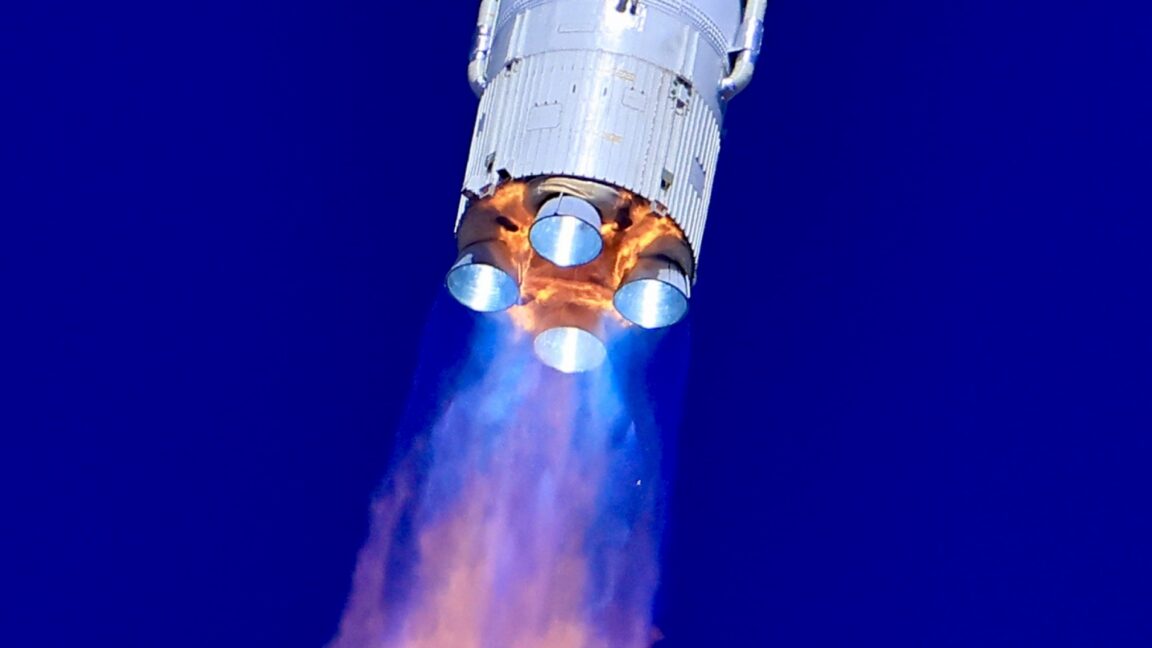
The upper stage of a commercial Chinese rocket, the Zhuque-2E, broke apart in orbit on June 9, potentially creating between 100 and 150 new pieces of space debris. The fragmentation occurred in a heavily trafficked area of low-Earth orbit, posing a risk to SpaceX's Starlink constellation and the International Space Station.
The US Space Force confirmed the breakup and is incorporating the tracked pieces into conjunction assessments to ensure spaceflight safety, though no immediate threats to human spaceflight have been identified. The debris is orbiting at an altitude between 208 and 263 miles, with an inclination of 54.5 degrees. While this altitude is low enough for aerodynamic drag to cause most fragments to reenter the atmosphere within months, it is closer to the orbits of some Starlink satellites, particularly those providing direct-to-device connectivity.
This incident highlights China's growing contribution to space junk. While many countries now use fuel for controlled reentries of spent rocket bodies, China's mass of rocket bodies in long-lived orbits has increased significantly in recent years, driven by its efforts to launch its own megaconstellations. Rocket bodies are a particular concern due to their size, mass, and potential for explosions from residual propellant.