Key facts
- Russia has agreed to decommission the PrK module on the International Space Station.
- The module has experienced persistent cracks due to corrosion since 2019.
- NASA expressed concerns about the structural integrity and potential for catastrophic failure.
- A dispute over proposed Russian repair methods led NASA to place astronauts in a safe haven.
- The agreement retires the risk of rapid depressurization for the ISS.
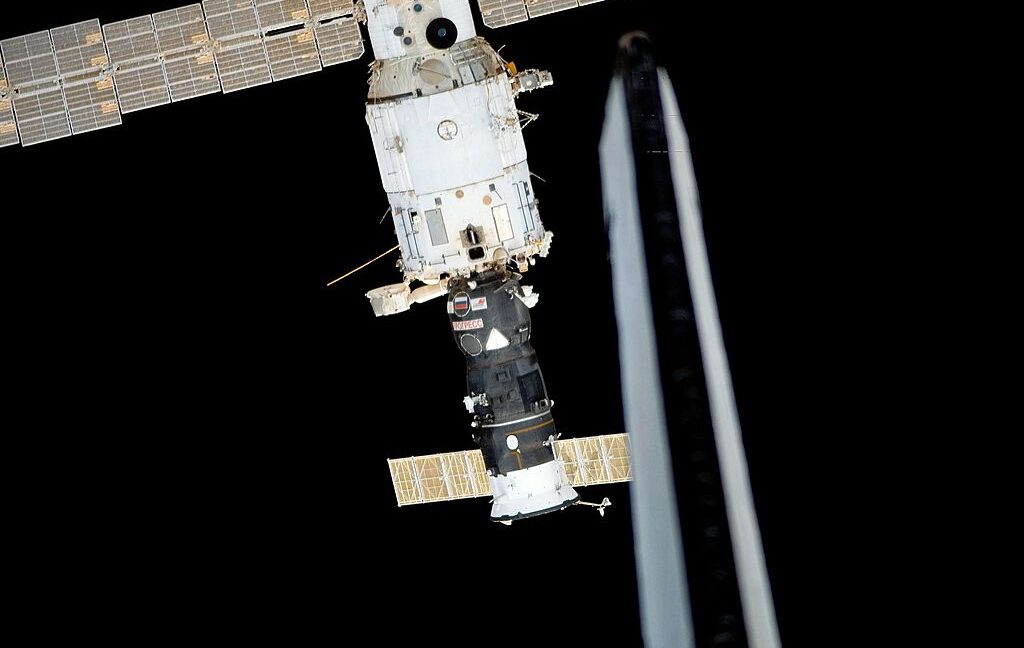
Russia is set to address long-term, serious cracks in a module of the International Space Station (ISS), a persistent issue that has caused a behind-the-scenes dispute between NASA and Roscosmos. The problem centers on the PrK module, an area attached to the Russian Zvezda service module that serves as a docking port for Progress cargo ships. Corrosion has caused cracks in the module's structure, leading to leaks when pressure is cycled.
These leaks, first noted in 2019, have seen various attempted fixes by Russian cosmonauts, including the use of a sealant called Germetall-1. While Roscosmos reported stabilized leaks earlier this year, they resumed in May and intensified in early June. This escalation prompted Roscosmos to plan more extensive inspection and structural repair efforts, including drilling and the removal of a load-bearing bracket.
NASA officials were deeply concerned by these proposed procedures, as Roscosmos had not provided sufficient analysis or explanation for their effectiveness. Fearing a catastrophic failure and rapid depressurization, NASA directed its astronauts—Jessica Meir, Jack Hathaway, Sophie Adenot, and Andrey Fedyaev—along with astronaut Chris Williams, to temporarily take refuge in a SpaceX Crew Dragon spacecraft. This action was intended as a message to Russia about the severity of NASA's concerns.
Following NASA's intervention, Russian astronauts appeared to back off their immediate repair plans. In the days since, Russia has informed NASA that it will decommission the PrK module. This means cosmonauts will no longer enter or pressurize the module. While Progress vehicles can still use the docking port for fluid transfer, Russia will need to utilize other ports for moving supplies. This agreement is seen as a significant step forward for the longevity of the ISS, retiring the risk of a rapid depressurization event.