Key facts
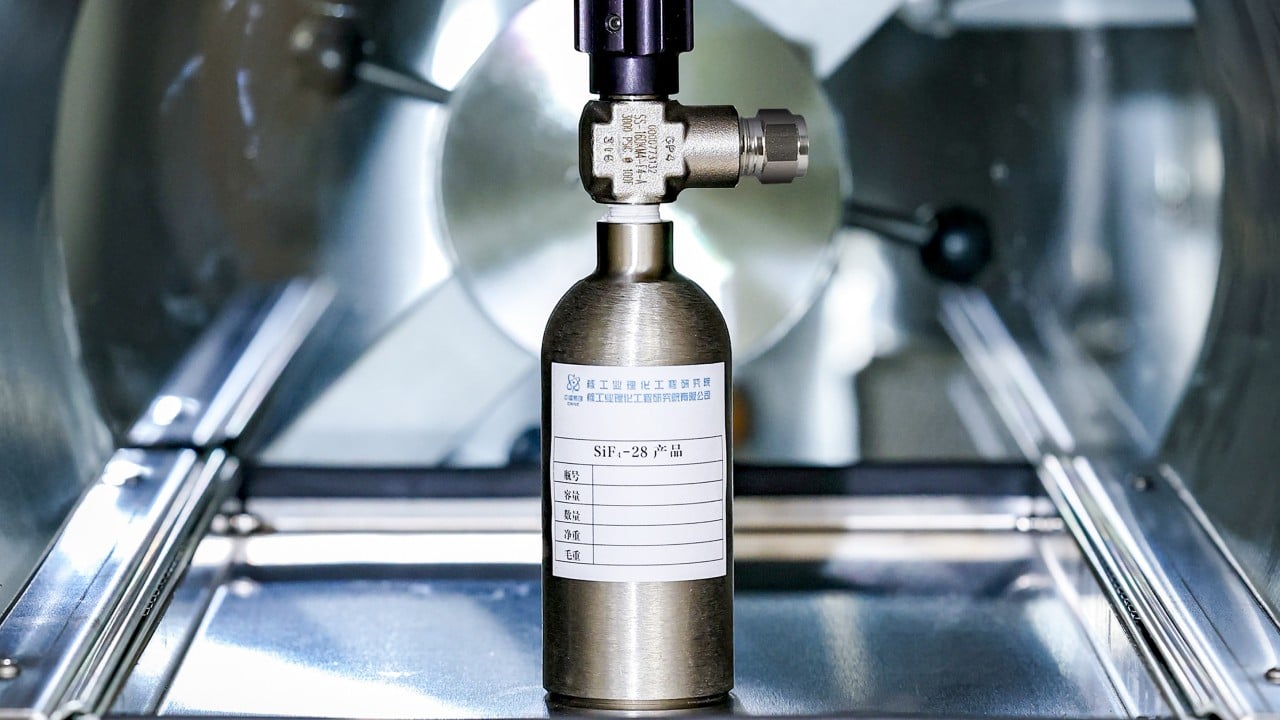
- China has achieved mass production of a high-purity silicon-28 isotope.
- The silicon-28 isotope is a critical material for building quantum computers.
- This development aims to reduce China's reliance on foreign technology.
- China is becoming a major producer of large synthetic diamonds.
- Large synthetic diamonds are crucial for dissipating heat from semiconductors.
- Breakthroughs in growing large synthetic diamonds could give China an edge in next-generation AI hardware.
- These advancements could impact the global AI race.
- The silicon-28 isotope is vital for creating stable qubits.
- Synthetic diamonds can improve the performance and reliability of high-power computing chips.
China has announced a significant breakthrough in the mass production of a high-purity silicon-28 isotope, a material considered critical for the development of quantum computing. This achievement is part of a broader strategy to reduce China's dependence on foreign technology in strategically important sectors. The successful mass production of this isotope is expected to accelerate China's progress in quantum computing research and development.
In parallel, China is emerging as a major producer of large synthetic diamonds. These diamonds are highly valued for their exceptional thermal conductivity, making them ideal for dissipating heat generated by advanced semiconductors. Breakthroughs in growing these large synthetic diamonds could provide China with a substantial advantage in the development of next-generation AI hardware. This could significantly impact the global AI race by enabling more powerful and efficient AI processors.
The dual advancements in quantum computing materials and AI hardware components underscore China's strategic focus on securing technological leadership. The silicon-28 isotope is vital for creating stable qubits, the fundamental units of quantum information, while synthetic diamonds can improve the performance and reliability of high-power computing chips used in artificial intelligence. These developments signal China's ambition to lead in future technological paradigms.