Key facts
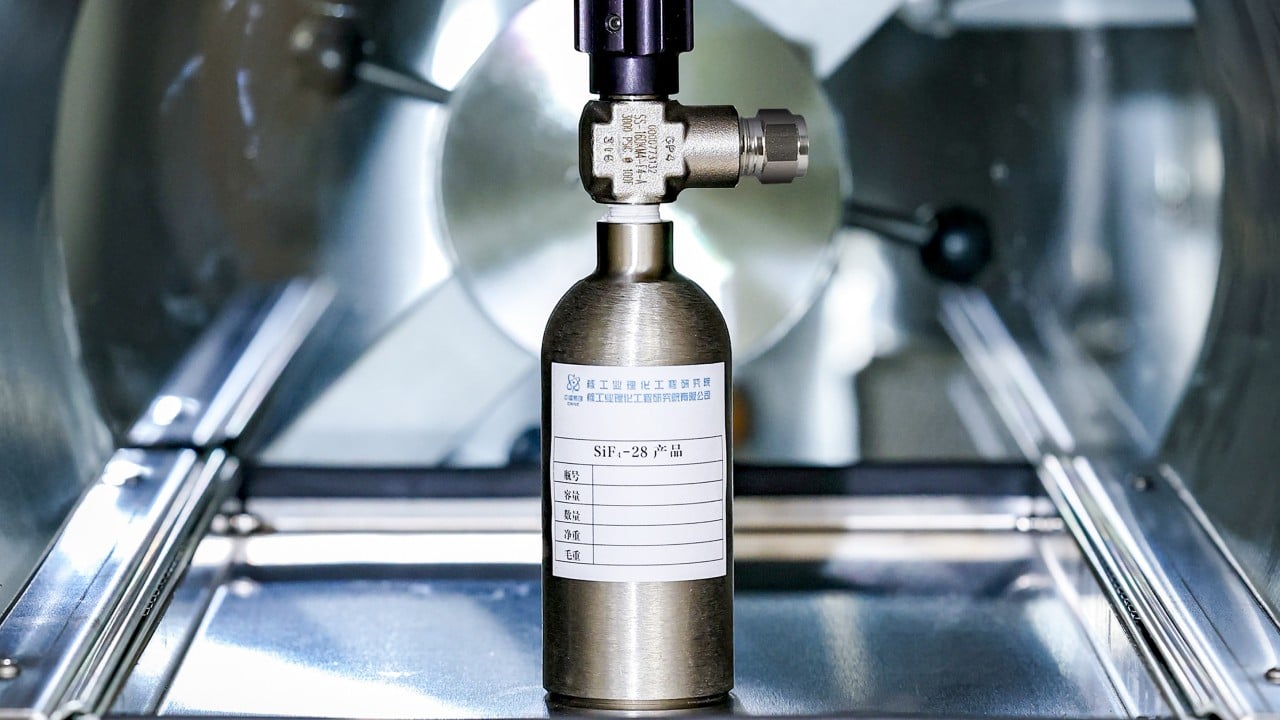
- China has achieved mass production of a high-purity silicon-28 isotope.
- The isotope has an isotopic abundance above 99.99 per cent.
- This is China's first independent, large-scale production of the material.
- Silicon-28 is crucial for creating stable qubits in quantum computers.
- Previously, production capabilities were concentrated among overseas players.
China has announced a significant advancement in its pursuit of technological self-sufficiency with the successful mass production of a high-purity silicon-28 isotope. This critical material is essential for the development of silicon-based quantum computers.
The state-owned China National Nuclear Corporation (CNNC) reported that one of its research institutes achieved an isotopic abundance of the silicon-28 isotope exceeding 99.99 percent. This marks the first time China has independently produced this material on a large scale, addressing a long-standing gap in its quantum technology supply chain.
While standard silicon is used in conventional computer chips, quantum computers require an ultra-pure variant. Traditional computers use bits (0 or 1), whereas quantum computers utilize qubits, which can be both 0 and 1 simultaneously, enabling vastly more complex calculations. However, qubits are highly sensitive to magnetic interference, which can cause them to lose their quantum state. Silicon-28, being a stable isotope, helps create an "ultra-quiet" environment, allowing qubits to remain stable for longer periods, a vital factor for building functional quantum computers.