Key facts
- Swiss voters rejected a proposal to cap the nation's population at 10 million by 2050.
- The referendum result preserves the free movement of people agreement with the European Union.
Swiss voters rejected a proposal to cap the country's population at 10 million by 2050. The decision preserves the free movement of people agreement with the European Union, a key trading partner.
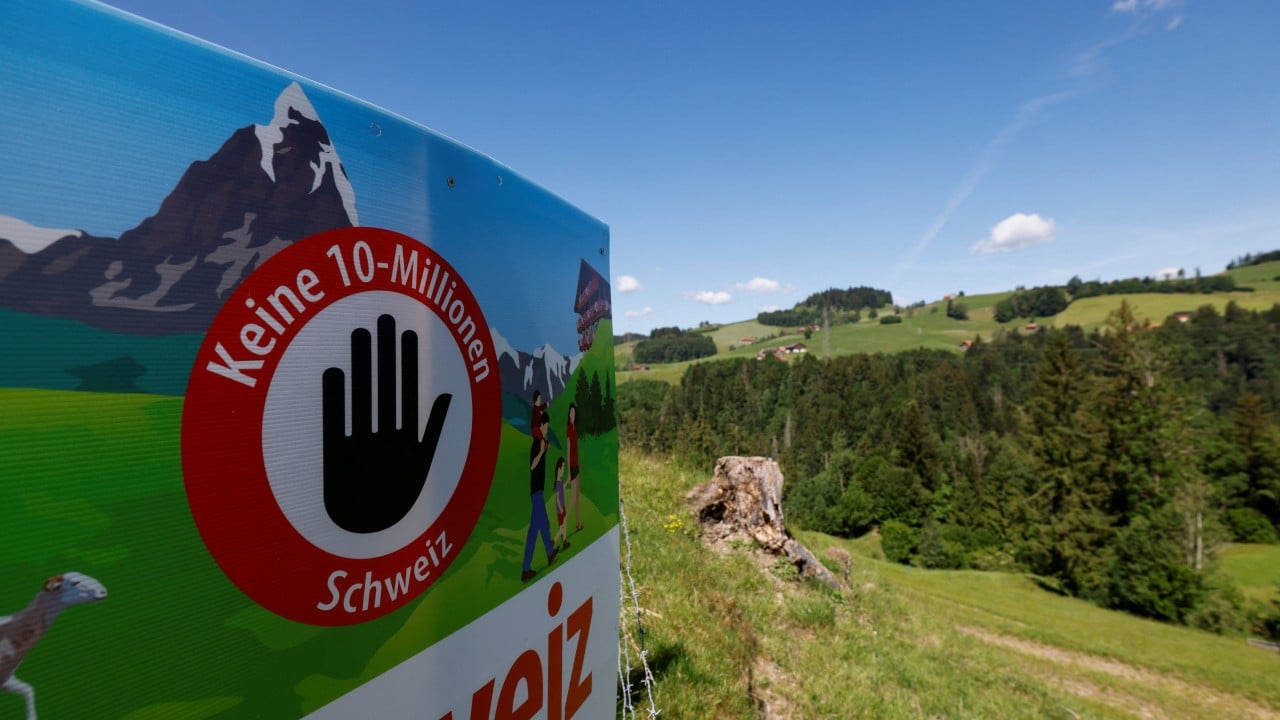
The rejection of the population cap preserves Switzerland's crucial free movement agreement with the European Union, safeguarding its economic ties and preventing potential isolation.
Swiss voters have rejected a proposal to cap the country's population at 10 million by 2050, according to preliminary results. Approximately 54 percent of participants voted against the initiative, which was put forward by the right-wing Swiss People's Party. The party argued the cap would help alleviate pressure on the environment and public services, while the 'no' campaign emphasized the risks to Switzerland's relationship with the European Union and its economy.
The referendum result preserves the free movement of people agreement between Switzerland and the EU, its primary trading partner. A 'yes' vote would have jeopardized this agreement, which is crucial for 60 percent of Swiss goods sold to the bloc. German lawmaker David McAllister stated that the vote sends a strong signal in favor of reliability, openness, and continued cooperation with Europe.
Concerns about the impact on sectors reliant on foreign-born workers, such as healthcare, and the broader risks of isolation in an unstable geopolitical environment also influenced the outcome. Switzerland's current population is 9.1 million, projected to exceed 10 million in the early 2040s. The relatively close margin of the vote suggests that immigration will remain a significant political issue.