Key facts
- At least 75 data center projects worth $130 billion were blocked or delayed in the first quarter of 2026.
- This is the highest number of blocked projects in a three-month period since tracking began in 2023.
- The number of active opposition groups has more than doubled to 833 across 49 states.
- Sociologist Tressie McMillan Cottom observed that community opposition is giving people a sense of political power.
- AI firms and developers are attempting to counter negative narratives, with OpenAI reporting foreign influence attempts.
- Proponents highlight economic benefits such as tax revenue and job creation, citing examples in Virginia and Louisiana.
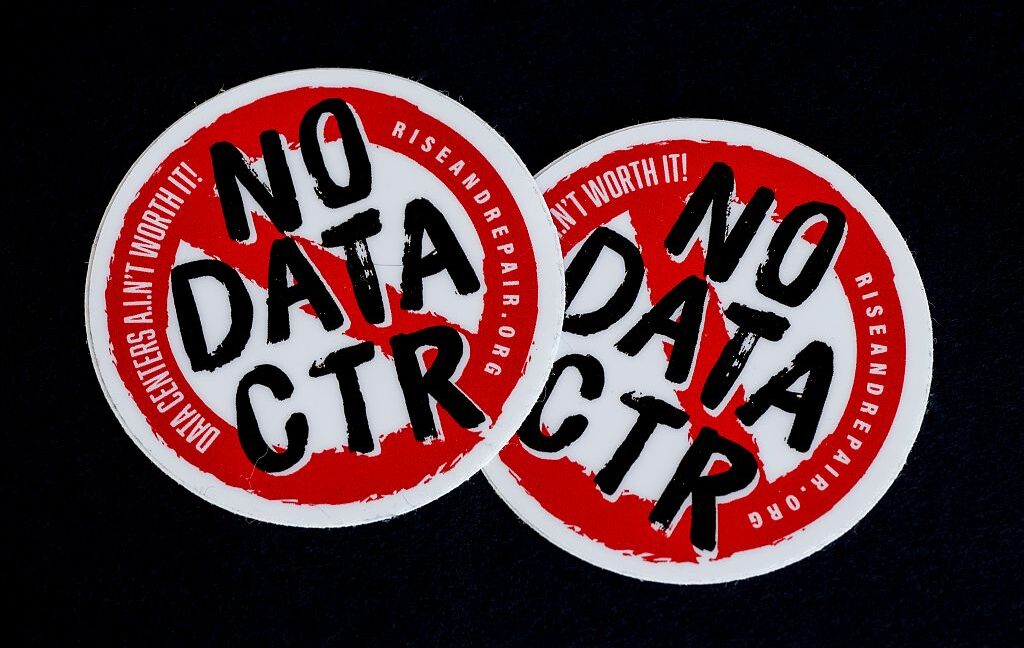
Communities across the U.S. are increasingly successful in blocking or delaying data center construction, with projects worth approximately $130 billion halted in the first quarter of 2026. This surge, reported by Data Center Watch, represents a significant increase and a structural shift in opposition, fueled by a growing playbook and a doubling of active opposition groups to 833 across 49 states.
Sociologist Tressie McMillan Cottom observed that this movement is giving individuals a sense of political power, as they engage in education sessions on water rights, land use, and thermodynamics. This collective action transcends political divides, with participants finding a voice against perceived political corruption and corporate malfeasance.
The momentum behind these protests is expected to influence upcoming midterm elections, with politicians increasingly sympathetic to the resistance. Data Center Watch noted that the first quarter's blocked projects nearly matched the total value for all of 2025, signaling that data center opposition is now a national narrative impacting elections, regulation, and site viability.
AI firms and data center developers are attempting to counter this narrative. OpenAI reported efforts by foreign actors to influence the debate using AI-generated content like comics and memes. Proponents argue that concerns about electricity and water usage are often overblown and highlight the economic benefits, such as increased tax revenue and job creation. Examples cited include Loudon County, Virginia, which derives significant property tax revenue from data centers, and Richland Parish, Louisiana, where a Meta data center project funded teacher bonuses.
However, critics point to a lack of comprehensive environmental reviews and express concerns about local officials expediting approvals. In response, states like Illinois are working to establish legislative frameworks for responsible data center development with environmental reviews at their core, and developers are increasingly engaging with residents early in the process.