Key facts
- Skyroot Aerospace launched India's first privately developed orbital rocket, Vikram-1.
- The rocket successfully reached orbit carrying customer payloads and experiments.
- The launch took place from the Satish Dhawan Space Centre in Sriharikota.
- This mission validates key rocket systems and aims to pave the way for commercial launches.
- Skyroot is a key player in India's liberalized space sector, aiming to compete globally.
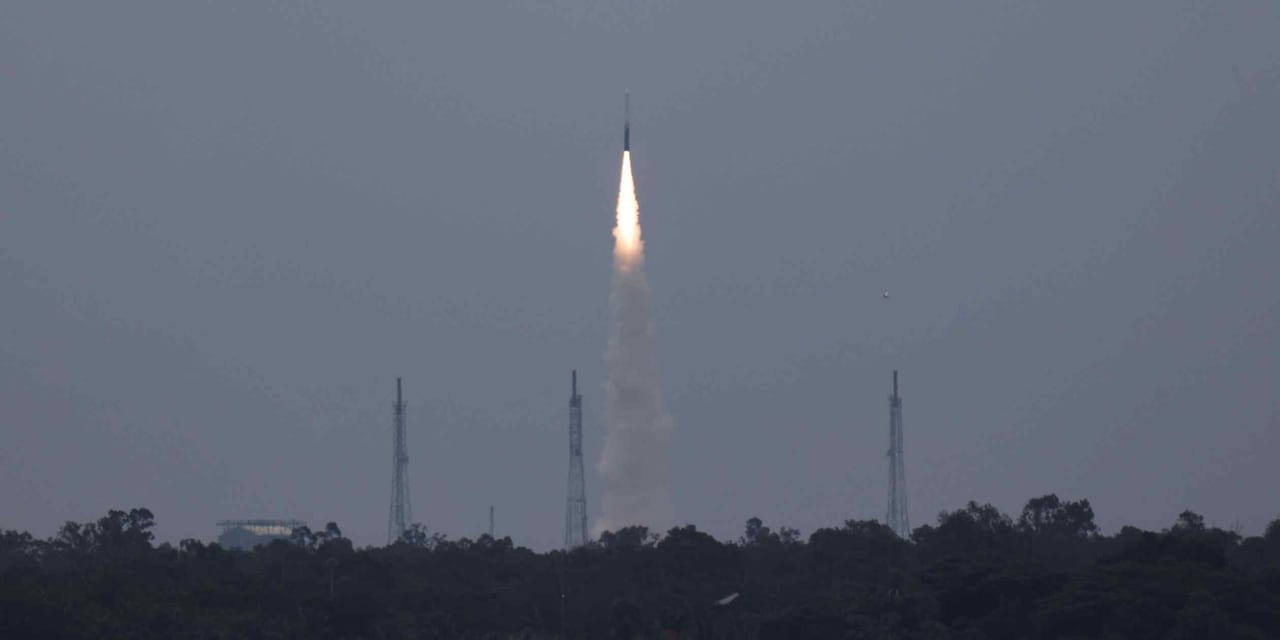
Indian space startup Skyroot Aerospace successfully launched the country's first privately developed orbital rocket, Vikram-1, from the Satish Dhawan Space Centre in Sriharikota. The mission, dubbed 'Mission Aagaman,' carried customer payloads and in-orbit experiments, aiming to validate the rocket's systems for future commercial flights.
The launch marks a significant milestone for India's burgeoning private space sector, which has attracted global investment following the liberalization of the industry in 2020. Skyroot, founded in 2018, became the first Indian space-sector company to achieve a $1 billion valuation earlier this year.
The Vikram-1 rocket, standing 22 meters tall, is designed to carry payloads of up to 350 kilograms into low-Earth orbit. It features three solid-fuel stages and a liquid-fuel orbital adjustment module powered by a 3D-printed engine, technologies new to India. This orbital success follows Skyroot's 2022 suborbital flight of the Vikram-S rocket.
The Indian government aims to boost the country's share of the global space economy to $44 billion by 2033, with private companies like Skyroot expected to play a crucial role in competing with established players such as SpaceX and other international entities.