Key facts
- Niantic Spatial, spun out from Pokemon Go developer Niantic, used billions of images from players to train AI.
- The AI models are designed for navigation in GPS-denied environments, aiding delivery robots and potentially military drones.
- The technology was developed through partnerships with Coco Robotics and Vantor, a company with US military contracts.
- Concerns have been raised by players and ethicists about the use of game data for military applications.
- Niantic Spatial states that the data used was from an optional feature and that current game data is not accessed.
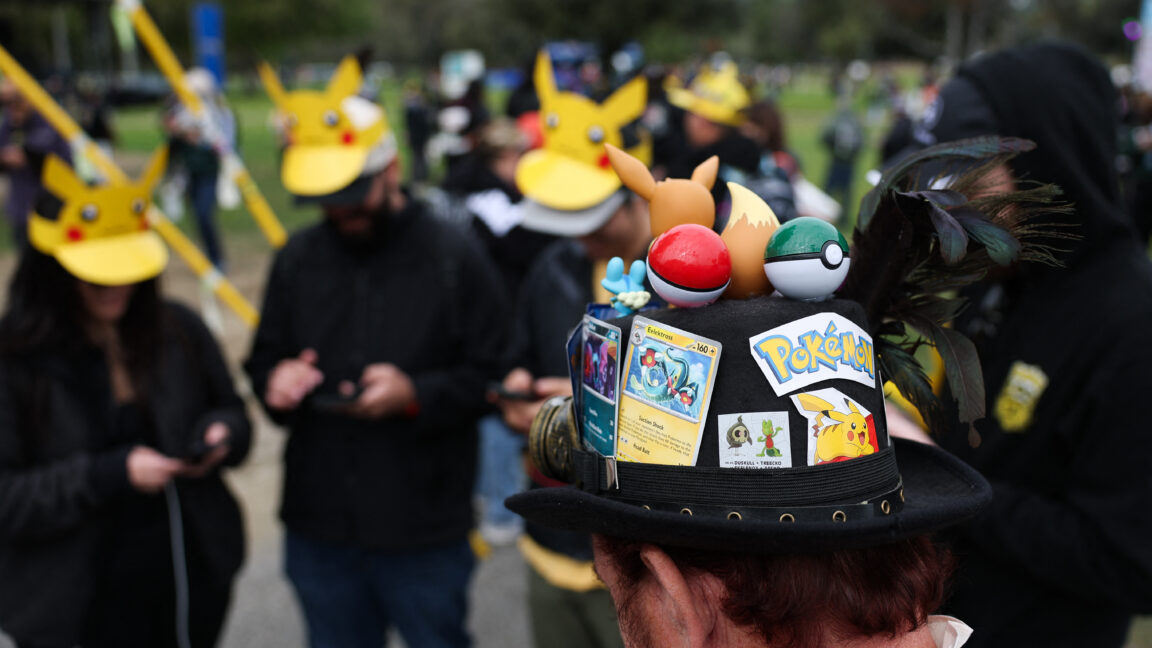
A decade after the peak of its popularity, data from the augmented reality game Pokémon Go has been used by an AI company, Niantic Spatial, to develop navigation technologies for delivery robots and potentially military drones. Niantic Spatial, which spun out from the original Pokémon Go developer Niantic in May 2025, utilized billions of geolocated images captured by millions of players. These "ground scans," often taken of public points of interest, were used to train large geospatial models capable of recognizing and interpreting physical spaces.
Niantic Spatial's spokesperson stated that the scans were an optional feature and that the company had been transparent about their use for technology development since 2019. The resulting visual positioning system can help devices determine their position and orientation in environments where GPS signals are unreliable, such as indoors or in urban areas with GPS jamming.
The technology has led to partnerships with Coco Robotics, which plans to use the AI model for its fleet of delivery robots, and Vantor, a company with US government contracts, to develop positioning systems for drones and ground vehicles in GPS-denied environments. During testing of the integrated system with Vantor, a 70% reduction in positioning error was reported, with accuracy within 1.5 meters.
However, the use of player data for potential military applications has raised ethical concerns. Jeroen van den Hoven, a professor of ethics and technology, noted that players have indirectly contributed to military applications. Floris De Hingh, a Pokémon Go player, expressed discomfort with his gameplay data supporting US military systems, particularly given his opposition to current US foreign policy. Haye Kesteloo, editor of DroneXL, argued that consent obtained for a game does not extend to weapons programs.
A Vantor spokesperson clarified that the company does not use Pokémon Go data directly, and Niantic Spatial stated that their agreement with Vantor does not involve direct sharing of game data. Niantic Spatial also confirmed it no longer has access to current Pokémon Go player data, as the game license was sold to Scopely in May 2025. Players are advised to review the game's terms of service and privacy policy regarding data usage.