Key facts
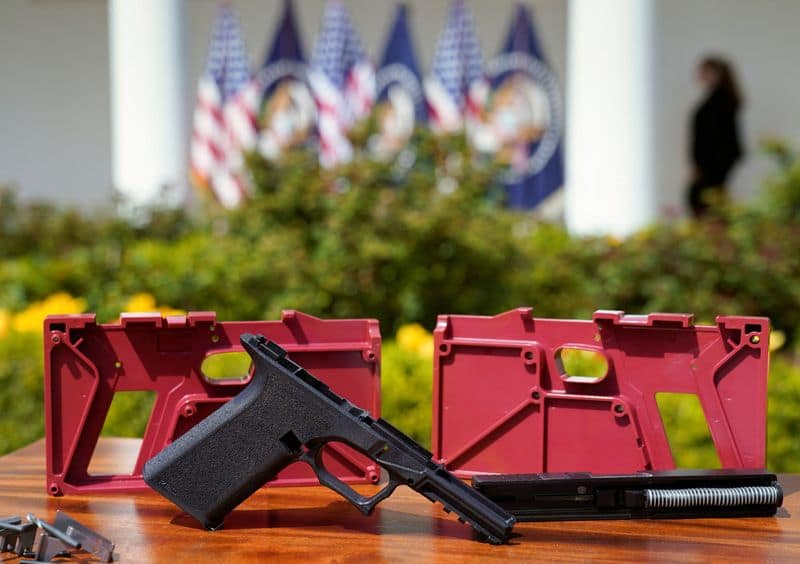
- A federal judge in Texas ruled Biden-era 'ghost gun' restrictions unconstitutional.
- The ruling cited violations of the Second and Fifth Amendments.
- A federal judge allowed the Trump administration to end Temporary Protected Status for over 5,000 Ethiopians.
- The decision permits the termination of legal protections for Ethiopians to live and work in the U.S.
- A U.S. appeals court upheld an order limiting federal immigration enforcement at eight houses of worship.
- The houses of worship are affiliated with Quaker, Sikh, and Cooperative Baptist Fellowship traditions.
- The appeals court found the Trump administration's policy likely violates the Religious Freedom Restoration Act.
- The Supreme Court had previously upheld the 'ghost gun' measure on different grounds.
- A Supreme Court ruling on similar protections for other nationalities preceded the Ethiopian TPS decision.
A federal judge in Texas has declared the Biden administration's regulation targeting 'ghost guns' unconstitutional. The ruling, which cites violations of the Second and Fifth Amendments, invalidates the administration's efforts to restrict the sale and possession of untraceable firearms. This decision comes despite a previous Supreme Court ruling that had upheld the measure on different legal grounds. The judge's reasoning suggests the regulation overstepped executive authority and infringed upon constitutional rights.
In parallel legal developments, a federal judge has allowed the Trump administration to terminate Temporary Protected Status (TPS) for over 5,000 Ethiopians. This ruling permits the ending of legal protections that allowed these individuals to live and work in the United States. The decision follows a Supreme Court ruling that addressed similar TPS protections for other nationalities, setting a precedent for the review of such designations.
Furthermore, a U.S. appeals court has upheld an order that limits federal immigration enforcement activities at eight specific houses of worship. These religious sites are affiliated with Quaker, Sikh, and Cooperative Baptist Fellowship traditions. The court determined that the Trump administration's policy likely violates the Religious Freedom Restoration Act (RFRA). The court's reasoning suggests that the enforcement actions could hinder religious activities and practices, thereby infringing upon religious freedom.