Key facts
- The U.S. Supreme Court is nearing the end of its term.
- Decisions on key cases are expected by the end of June.
- Cases involve Donald Trump's executive authority.
- Cases involve voting rights.
- Cases involve tariffs.
- Cases involve immigration.
- Cases involve gun laws.
- The Supreme Court has largely supported Donald Trump's restrictive immigration policies.
- Rulings make it easier to deport individuals.
- Rulings make it easier to deny entry.
- These immigration decisions often align along ideological lines.
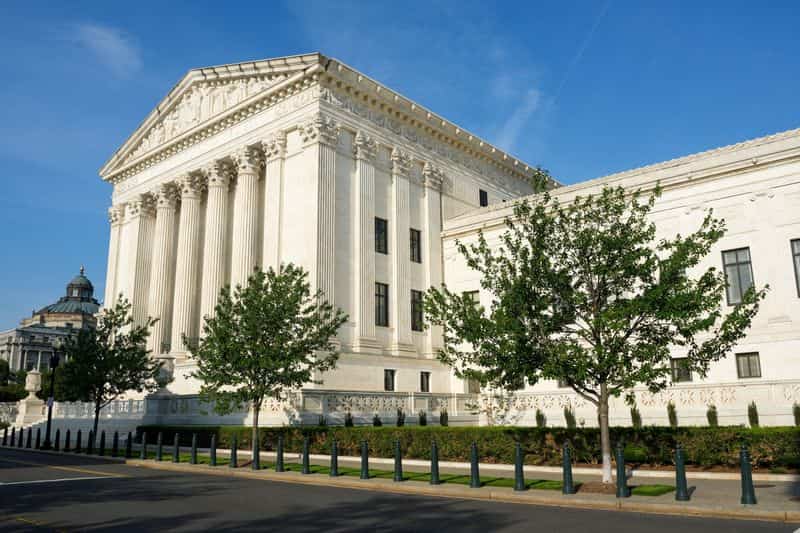
The U.S. Supreme Court is approaching the conclusion of its current term, with a series of pivotal decisions anticipated by the close of June. The docket includes critical cases that address the scope of Donald Trump's executive authority, fundamental voting rights, international trade tariffs, immigration protocols, and gun legislation.
In a significant trend, the Supreme Court has predominantly upheld Donald Trump's stringent immigration policies. These rulings collectively facilitate the deportation of individuals and restrict entry into the country. The decisions have frequently followed ideological lines, reflecting the court's composition, and have elicited strong reactions from various advocacy organizations and elected officials who have voiced their opposition.
The cases before the court touch upon a wide array of legal and policy areas, underscoring the court's influence on national governance and individual liberties. The outcomes will shape the legal landscape concerning presidential powers, citizen participation in elections, economic trade, and national security.