Key facts
- The Supreme Court rejected President Donald Trump's executive order on birthright citizenship.
- The Department of Justice will probe 'birth tourism' following the Supreme Court's decision.
The Supreme Court has issued several significant rulings, impacting President Donald Trump's policy goals and administrative actions. In a notable decision, the court rejected an executive order concerning birthright citizenship, prompting the Department of Justice to investigate 'birth tourism.' The court also declined to allow President Trump to immediately remove the top copyright official, Shira Perlmutter, pending her legal challenge. Additionally, the Supreme Court upheld state bans on transgender athletes in women's sports, affirming state authority on the matter. These rulings represent a mix of setbacks and mixed results for the Trump administration's agenda.
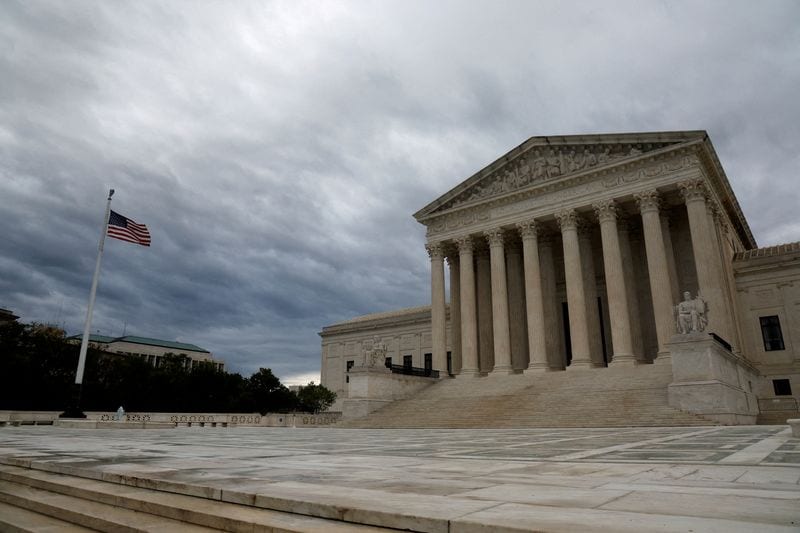
The Supreme Court has delivered a series of rulings that affect President Donald Trump's policy objectives and administrative powers. In a significant decision, the court rejected President Donald Trump's executive order on birthright citizenship. Following this decision, the Department of Justice is set to investigate 'birth tourism.' The Supreme Court also declined to permit President Donald Trump to remove the government's top copyright official, Shira Perlmutter, at this time. This decision serves as a temporary injunction, preventing her removal while her legal challenge is ongoing, and is not a final judgment on the merits of the case.
Further decisions from the Supreme Court have impacted other key areas of the Trump administration's agenda. The court upheld state laws in Idaho and West Virginia that prohibit transgender athletes from participating in women's sports. This ruling affirms the authority of individual states to enact such legislation. While the Trump administration has seen some early successes at the Supreme Court, these recent rulings on immigration and executive orders have yielded mixed results and outright defeats, leading to frustration for President Donald Trump.
The implications of these rulings are far-reaching. The rejection of the birthright citizenship order challenges a key aspect of the administration's immigration policy. The temporary block on removing the copyright official highlights the legal processes that can delay executive actions. The affirmation of state authority in sports bans reflects a broader trend of judicial deference to states on certain social issues. These outcomes collectively underscore the complex relationship between the executive branch and the judiciary, particularly when it comes to implementing significant policy changes.
The Supreme Court has delivered a series of rulings that affect President Donald Trump's policy objectives and administrative powers. In a significant decision, the court rejected President Donald Trump's executive order on birthright citizenship. Following this decision, the Department of Justice is set to investigate 'birth tourism.' The Supreme Court also declined to permit President Donald Trump to remove the government's top copyright official, Shira Perlmutter, at this time. This decision serves as a temporary injunction, preventing her removal while her legal challenge is ongoing, and is not a final judgment on the merits of the case.