Key facts
- The Supreme Court allowed the Trump administration to end Temporary Protected Status (TPS) for Haitians and Syrians.
- Approximately 356,000 individuals may be exposed to deportation due to the TPS ruling.
- The Supreme Court's TPS decision overturned lower court orders.
- The court ruled 6-3 on the TPS immigration policy.
- The Supreme Court struck down Hawaii's law restricting handgun carry on private property.
- The court ruled 6-3 against Hawaii's gun restrictions, citing the Second Amendment.
- The Supreme Court limited Roundup cancer lawsuits in a 7-2 decision.
- Federal pesticide law was found to bar state-level failure-to-warn claims in Roundup cases.
- Decisions on Trump's executive authority, voting rights, and tariffs are pending.
- Supreme Court rulings are expected by the end of June.
- Immigration decisions have been criticized as 'disastrous' and 'cruel' by lawmakers and advocacy groups.
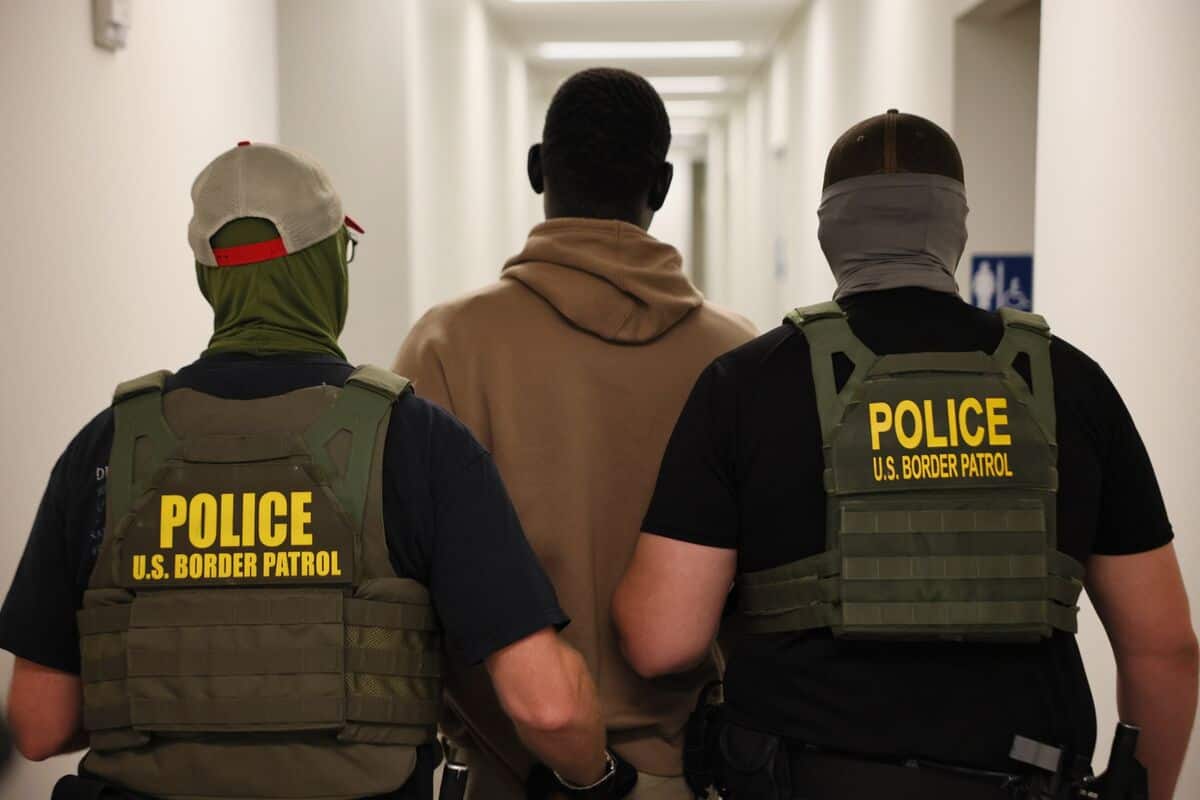
The Supreme Court has permitted the Trump administration to terminate Temporary Protected Status (TPS) for individuals from Haiti and Syria, a decision that could affect around 356,000 people and potentially expose them to deportation. This ruling, decided by a 6-3 vote, overturns previous orders from lower courts that had prevented the cessation of these humanitarian protections. The court's action on immigration policy is part of a series of significant decisions expected as the term nears its conclusion.
In addition to the TPS ruling, the Supreme Court has also addressed other critical matters. In a separate 6-3 decision, the court struck down Hawaii's law that restricted handgun carry on private property open to the public, citing a violation of the Second Amendment. Furthermore, in a 7-2 decision, the court limited the scope of Roundup cancer lawsuits, determining that federal pesticide law preempts state-level failure-to-warn claims. These rulings are part of a busy end-of-term for the court, with further decisions anticipated on cases concerning Donald Trump's executive authority, voting rights, and tariffs, with all rulings expected by the end of June.
The immigration decisions, specifically those allowing the Trump administration to restrict protections and reshape asylum policy, have drawn sharp criticism from lawmakers and advocacy groups. These groups have characterized the rulings as "disastrous" and "cruel," expressing significant concerns regarding the safety of hundreds of thousands of individuals who may face deportation.