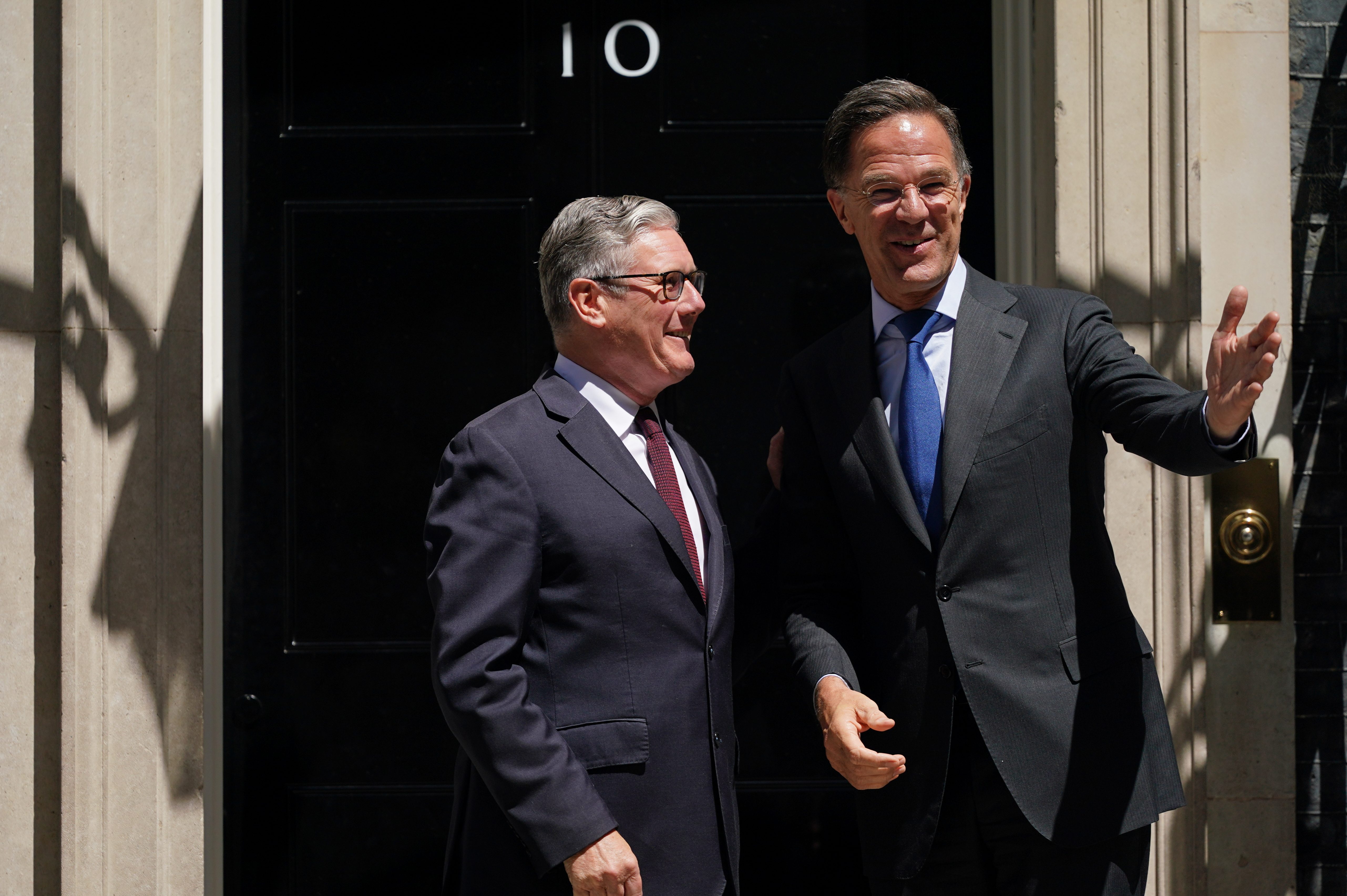
Starmer Unveils Defence Plan, Leaving Successor Burnham With £4.7 Billion Bill
window 24h
IN SHORT
Outgoing Prime Minister Keir Starmer is releasing a 10-year Defence Investment Plan estimated to cost £4.7 billion. This plan presents financial challenges for the incoming government led by Andy Burnham. Starmer claims £22 billion in fiscal headroom can cover the estimated £1 billion annual defence funding gap, dismissing Conservative criticism as "faux outrage." Separately, Starmer's stance on Israel's actions in Gaza has alienated many Muslim voters, impacting Labour's support in constituencies with large Muslim populations and contributing to the rise of independent candidates.
✉Newsletter
PiQ Daily
Pick your topics. Get only what matters, on your cadence.
Key Numbers
£4.7 billioncost of Defence Investment Plan
10-yearduration of Defence Investment Plan
£22 billionfiscal headroom claimed by Starmer
£1 billionestimated annual defence funding gap
Who's Involved
Keir Starmer
Outgoing Prime Minister publishing Defence Investment Plan
Andy Burnham
Incoming government leader facing defence funding challenges
Labour
Political party facing challenges with Muslim voters
Conservatives
Political party criticized by Starmer over defence funding
1 / 3
Key facts
Keir Starmer is publishing a 10-year Defence Investment Plan.
The Defence Investment Plan is expected to cost approximately £4.7 billion.
The incoming government led by Andy Burnham will face financial trade-offs from the plan.
Keir Starmer claims £22 billion in fiscal headroom is available.
This headroom is intended to cover a defence funding gap of approximately £1 billion annually.
Starmer accused Conservatives of "faux outrage" over the defence funding.
Starmer's comments on Israel's actions in Gaza have alienated many Muslim voters.
Labour has seen significant losses in constituencies with large Muslim populations.
A decline in Labour's support base is linked to its stance on the Palestinian cause.
Independent candidates have seen a rise in support.
Outgoing Prime Minister Keir Starmer is preparing to publish the UK's Defence Investment Plan, a decade-long strategy for the armed forces. The plan carries an estimated cost of £4.7 billion and is expected to create significant financial trade-offs for the incoming government, which will be led by Andy Burnham. Starmer has stated that existing fiscal headroom of £22 billion is sufficient to address the defence funding gap, which he estimates at approximately £1 billion annually. He has criticized the Conservatives for "faux outrage" regarding these spending decisions, asserting that they are being made outside of a formal budget process.
In parallel, Keir Starmer's leadership has faced challenges in retaining support from Muslim voters. Comments made by Starmer concerning Israel's actions in Gaza have reportedly alienated a significant portion of this demographic. This has led to notable losses for Labour in constituencies with substantial Muslim populations. The shift away from traditional Labour positions, particularly concerning the Palestinian cause, is cited as a contributing factor to the increased support for independent candidates and an overall decline in Labour's traditional support base in these areas.
↳ Why This Matters
Outgoing Prime Minister Keir Starmer is preparing to publish the UK's Defence Investment Plan, a decade-long strategy for the armed forces. The plan carries an estimated cost of £4.7 billion and is expected to create significant financial trade-offs for the incoming government, which will be led by Andy Burnham. Starmer has stated that existing fiscal headroom of £22 billion is sufficient to address the defence funding gap, which he estimates at approximately £1 billion annually. He has criticized the Conservatives for "faux outrage" regarding these spending decisions, asserting that they are being made outside of a formal budget process.
Frequently asked questions
The Defence Investment Plan is a 10-year blueprint for the UK's armed forces, outlining spending commitments and strategic priorities.
The plan is expected to cost approximately £4.7 billion, presenting a significant financial challenge for the next government.
The plan allocates over £5 billion to drones and prioritizes autonomous vessels for the Royal Navy, potentially over replacing frigates.
Criticisms include funding shortfalls, delays in implementation, and a perceived lack of prioritization for national security, with concerns about its impact on other projects and overall military readiness.
What Happens Next
01Andy Burnham is expected to confront the £4.7 billion cost of the Defence Investment Plan.
02The UK's defense procurement strategy will be presented ahead of the NATO summit.
03Further discussions are anticipated regarding defense spending targets and budget allocation.
Get the newsletter.
Pick the topics you actually care about. We'll email when there's news worth your time, on the cadence you choose. Cancel any time from your account.