Key facts
- Keir Starmer's comments in October 2023 suggesting Israel had a right to cut off electricity and water to Gaza have been cited as a major factor in Labour's loss of Muslim voters.
- Despite a consistent lead in polls, Labour lost constituencies with significant Muslim populations in the 2024 general election.
- The rise of independent candidates, particularly those advocating for Palestine, has been observed in local elections.
- Critics argue Labour has shifted rightward and abandoned traditional center-left policies, including a more sympathetic approach to the Palestinian cause.
- Polling suggests a significant portion of former Labour voters are switching to other parties, including the Greens, citing Labour's inaction on the conflict in Gaza.
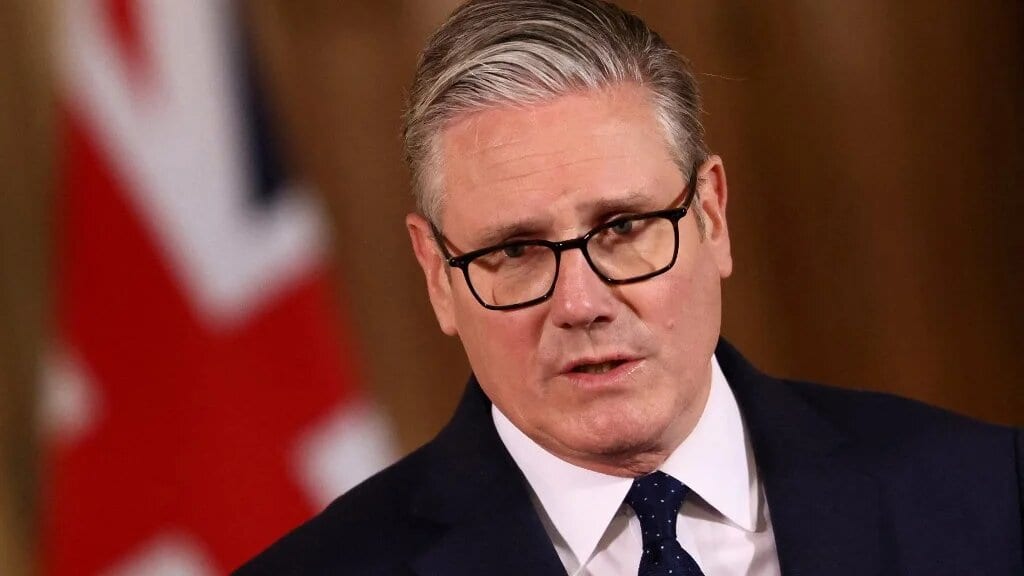
Keir Starmer's leadership of the Labour Party faces a significant challenge in regaining the trust and support of Muslim voters, a key demographic that has historically aligned with the party. The rupture appears to stem from Starmer's comments in October 2023 during an LBC interview, where he stated that Israel had a "right" to cut off electricity and water supplies to Palestinians in Gaza. This stance, perceived by many as a departure from Labour's traditional sympathy for the Palestinian cause and a move towards a pro-Israel ideology, has led to widespread criticism and a notable decline in support.
Within weeks of Starmer's remarks, over 150 Muslim Labour councillors implored the party leadership to call for an immediate ceasefire, a plea that was reportedly ignored. This perceived inaction has been cited as a primary reason for a major rift between the Muslim community and the Labour Party. Despite Labour holding a consistent lead in national polls and ultimately forming a majority government in the 2024 general election, the party lost several constituencies with large Muslim populations, including the newly formed Dewsbury and Batley constituency in West Yorkshire.
The preceding local elections in May 2024 and recent council elections have also shown a trend of disaffected voters choosing independent councillors, signaling a broader dissatisfaction with the Labour Party's direction. Yusra Hussain, a local councillor who defected from Labour, stated, "I did not leave because my values changed. I left because I believe the party's direction has changed." This sentiment is echoed by independent MP Iqbal Mohamed, who noted that voters rejected Labour because they felt the party had "treated residents with contempt, taken their vote for granted, and aided and abetted the Israeli apartheid, occupation and genocide of the Palestinian people."
Analysts suggest that Labour's shift rightward under Starmer, including the abandonment of former leader Jeremy Corbyn's "10 pledges," has alienated its traditional left-wing base. However, the move towards a pro-Israel stance is seen as potentially more damaging to its core voter base than its general ideological shift. While Starmer eventually recognized Palestinian statehood late last year, the damage to party support was already done. Recent polling indicates that over half of Labour's former voters, encompassing more than just the Muslim community, cite the party's inaction on the conflict in Gaza as a reason for switching their votes to parties like the Greens, SNP, Plaid Cymru, the Lib Dems, and independents. The Greens, in particular, are emerging as a viable alternative for a significant portion of disaffected Labour voters.