Key facts
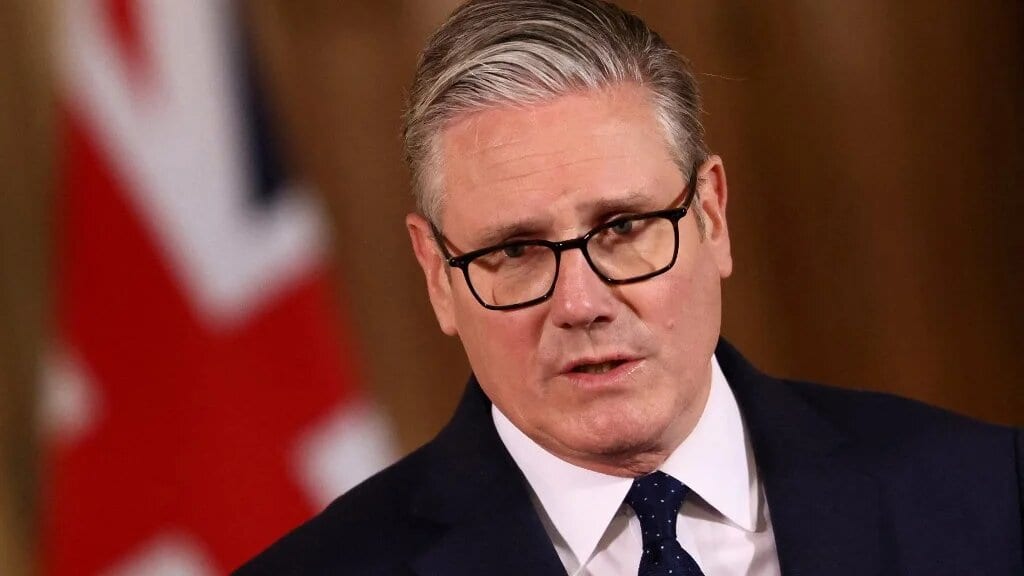
- Keir Starmer's comments on Israel's actions in Gaza have alienated many Muslim voters.
- Labour faces a decline in support in constituencies with large Muslim populations.
- Keir Starmer has unveiled a £298 billion Defence Investment Plan.
- The Defence Investment Plan leaves a £4.7 billion funding gap.
- The plan aims to meet NATO's target of 3.5% of GDP spending by 2035.
- Andy Burnham is the expected successor to Keir Starmer.
- Jason Pearlman is a former international media advisor to Israeli President Isaac Herzog.
- Pearlman was involved in setting up Reform Friends of Israel (RFI).
- RFI funded trips for Reform UK figures to Israel, including the Golan Heights.
Labour leader Keir Starmer faces a significant challenge in regaining the support of Muslim voters following his comments on Israel's actions in Gaza. This shift in stance on the Palestinian cause has led to alienation among many Muslim voters, contributing to a decline in Labour's support base and the rise of independent candidates in constituencies with large Muslim populations. The party is reportedly struggling to reconnect with this demographic.
Starmer's recently unveiled £298 billion Defence Investment Plan has also drawn criticism, creating substantial financial trade-offs for his expected successor, Andy Burnham. The plan leaves a £4.7 billion funding gap and fails to detail how the UK will meet NATO's target of spending 3.5% of GDP on defense by 2035. Meeting this target will likely require significant cuts from other government departments, raising concerns about budget allocations and potential impacts on other projects.
In a separate development, Jason Pearlman, identified as a former international media advisor to Israeli President Isaac Herzog, has been linked to lobbying efforts for Reform UK. Pearlman was involved in establishing Reform Friends of Israel (RFI), an organization that funded trips for Reform UK figures to Israel, including visits to the occupied Golan Heights. Pearlman has stated that no government funding was involved in these activities.
The implications of Starmer's defense plan are significant for the incoming Prime Minister, Andy Burnham, who will inherit the responsibility of addressing the £4.7bn funding gap and navigating the necessary budget adjustments to meet defense spending targets. The plan's reliance on potential cuts from other departments suggests difficult decisions ahead regarding resource allocation across various government sectors.