Key facts
- Details of a potential Iran deal are expected within 24-48 hours.
- The U.S. is prepared to release frozen funds and lift sanctions for Iran.
- Discussions include a potential $300 billion fund for Iran's reconstruction.
- President Trump seeks to link Iran deal negotiations to an expanded Abraham Accords.
- CIA Director John Ratcliffe expressed doubts to President Trump about Iran's nuclear commitment.
- Israel's withdrawal from Lebanon is not a condition of the potential Iran agreement.
- Israeli Prime Minister Benjamin Netanyahu faces domestic backlash over the deal.
- Republican lawmakers are reportedly skeptical of the Iran deal.
- Bernd Lange, chair of the European Parliament's trade committee, has delayed a transatlantic deal.
- A Memorandum of Understanding with Iran is forthcoming.
President Donald Trump is pursuing a comprehensive deal with Iran, with details expected within the next 24 to 48 hours. The U.S. is prepared to release frozen funds and lift sanctions as part of the potential agreement. A senior U.S. official revealed discussions about sanctions relief for Iran, alongside the possibility of a $300 billion fund dedicated to the country's reconstruction. President Trump aims to link these negotiations to an expanded Abraham Accords, seeking support from Middle Eastern and South Asian leaders, though responses to this linkage have been lukewarm.
U.S. military posture will remain unchanged during the next phase of negotiations, and Israel's withdrawal from Lebanon is not a condition of the agreement. However, CIA Director John Ratcliffe informed President Trump and senior officials that U.S. intelligence doubts Iran's commitment to nuclear concessions. The administration announced that a Memorandum of Understanding with Iran is forthcoming. A senior U.S. official criticized Washington hardliners for opposing the deal, accusing them of selectively trusting Iranian state-linked messaging. Iranian-American lawmaker Yassamin Ansari cautiously welcomed the agreement, calling for congressional scrutiny.
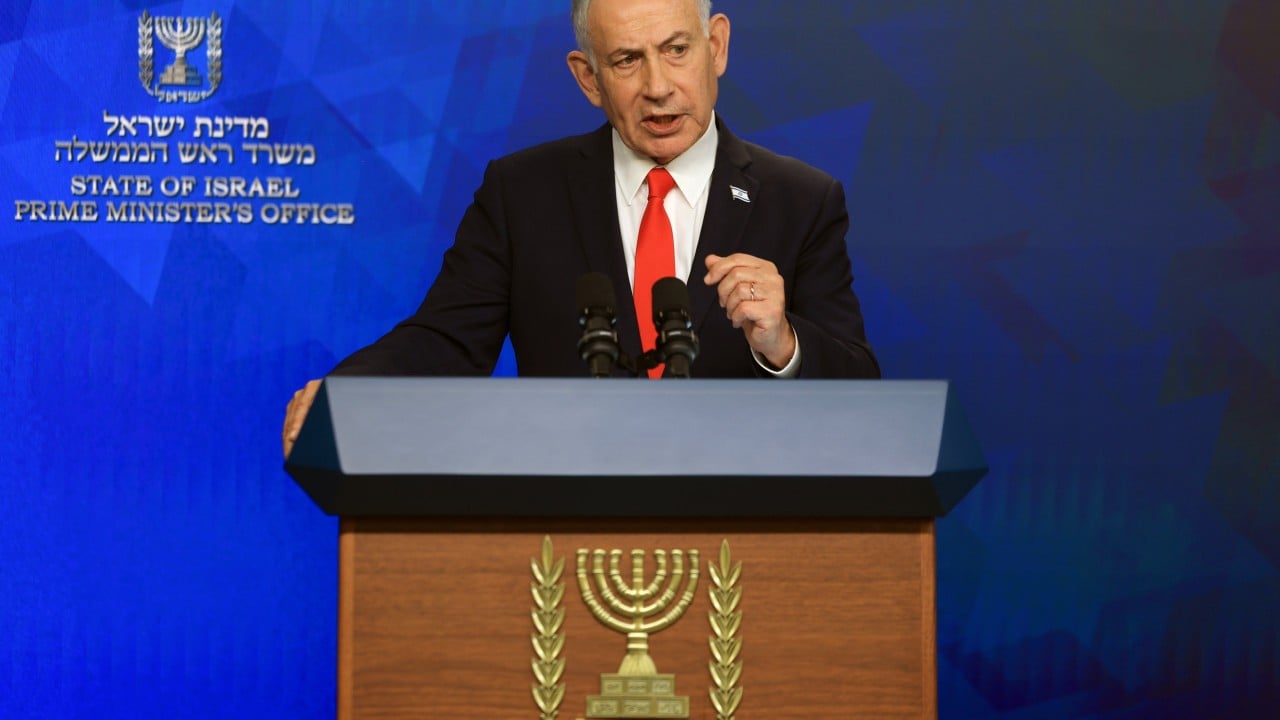
Israeli Prime Minister Benjamin Netanyahu faces domestic backlash and a widening rift with President Trump over the preliminary U.S.-Iran deal. The agreement has politically exposed Netanyahu ahead of elections and strained his relationship with Trump due to Israeli actions in Lebanon. Republican lawmakers are reportedly skeptical of President Trump's Iran deal, with Senator Thune downplaying a 'reconciliation 3.0' strategy. Leaders aim to shift focus from Iran to economic issues ahead of elections.
The Senate is set to debate a revised housing deregulation bill this week, though the House has signaled potential opposition. Separately, Bernd Lange, chair of the European Parliament's trade committee, has delayed a transatlantic deal for months, frustrating both Washington and Brussels. Lange stated he obtained what Europe required, though not all his objectives were met.