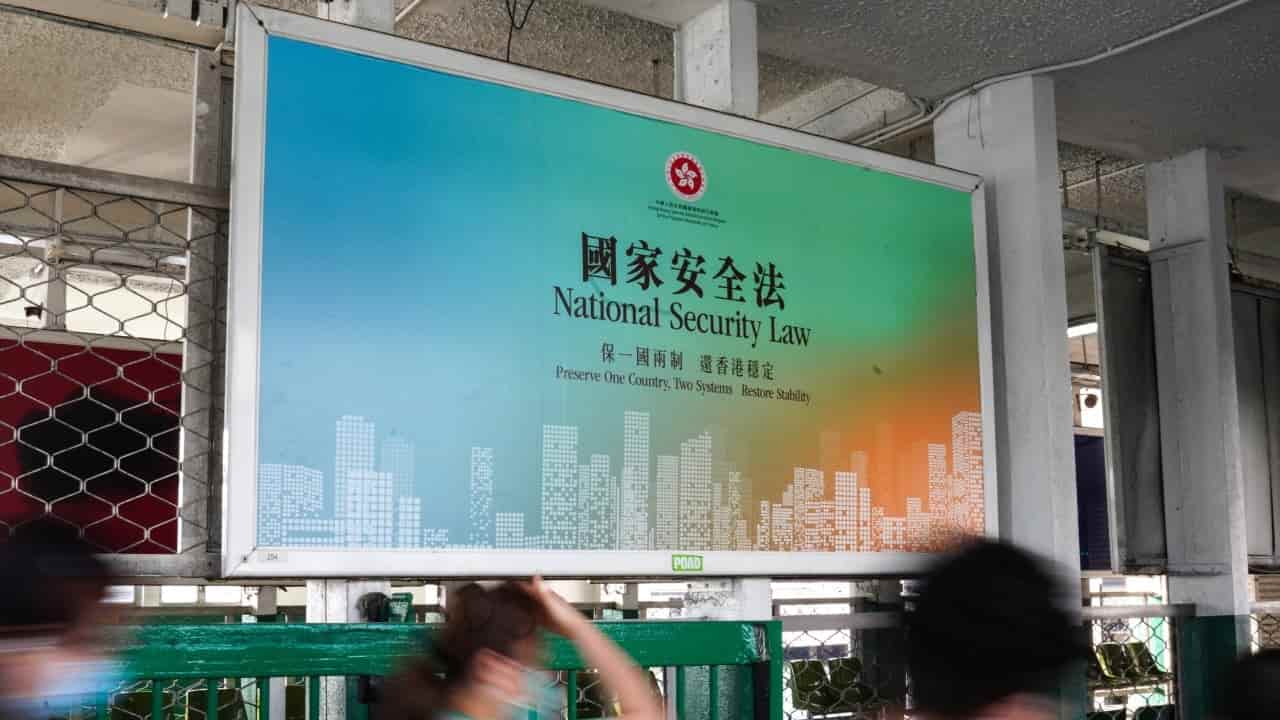
Key facts
- Hong Kong has enacted new national security legislation.
- The legislation aims to bolster security and stability.
- Careful and judicious implementation of the law is required.
- There is a need to avoid unintended consequences for civil liberties.
- The city's international standing must be considered.
- Security Chief Chris Tang vowed accountability for a Tai Po fire.
- Tang stated that the loss of fugitive transfer deals aids criminals.
- Repentant protesters may receive priority case review.
Hong Kong's recently enacted national security legislation demands a prudent and judicious application to ensure it bolsters security and stability without negatively impacting civil liberties or the city's international standing. The government faces the challenge of implementing these new laws carefully to avoid unintended consequences.
In a separate but related development, Hong Kong's Security Chief, Chris Tang, has committed to ensuring full accountability for a fire in Tai Po. Tang stated that the cessation of fugitive transfer deals inadvertently aids criminals. He also indicated a potential pathway for individuals involved in protests, suggesting that those who demonstrate repentance may be considered for priority review of their cases. This approach could signal a nuanced strategy in dealing with past dissent while enforcing new security measures.