Key facts
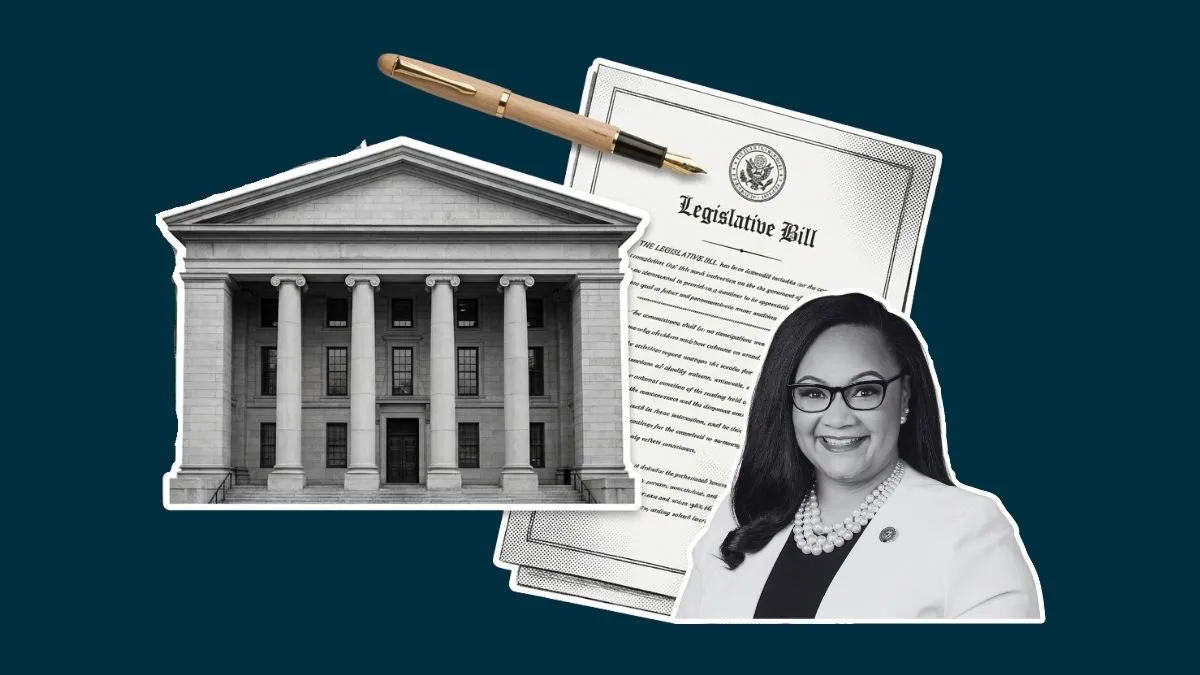
- Representative Nikema Williams reintroduced legislation to expand mortgage credit access.
- The bill requires mortgage lenders to consider alternative financial data if requested by an applicant.
- Rental payment history is cited as an example of alternative financial data.
- The legislation aims to help 'credit invisible' consumers access homeownership.
- The bill seeks to narrow wealth disparities.
- Representative Gottheimer is preparing legislation for advanced AI models.
- The AI bill would establish a vetting process for AI models.
- The vetting process will assess potential risks of advanced AI models.
Representative Nikema Williams has reintroduced legislation aimed at broadening access to mortgage credit. The bill mandates that mortgage lenders must consider alternative financial data, such as rental payment history, if an applicant requests it. The primary objective of this legislation is to assist consumers who are considered 'credit invisible,' thereby enabling them to achieve homeownership and helping to diminish existing wealth disparities. This initiative seeks to provide a more inclusive pathway to homeownership for individuals who may not qualify through traditional credit scoring methods.
In parallel, Representative Gottheimer is in the process of drafting a separate piece of legislation focused on the regulation of artificial intelligence. This forthcoming bill is intended to establish a formal vetting process for advanced AI models. The purpose of this vetting is to rigorously assess these powerful AI systems for potential risks before they are widely deployed. The legislation aims to ensure that the development and implementation of AI technologies are conducted with a strong emphasis on safety and risk mitigation.