Key facts
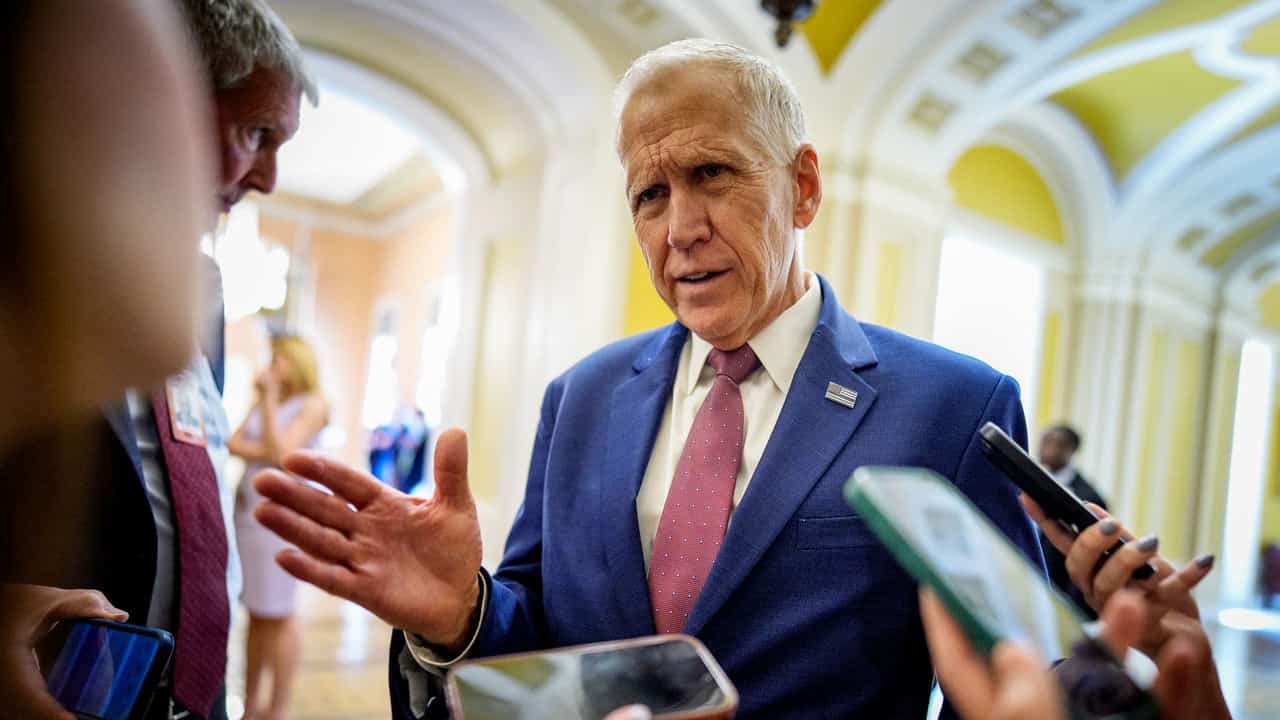
- Senators Thom Tillis and Ruben Gallego finalized a bipartisan ethics counteroffer for the Clarity Act.
- The counteroffer aims to bridge divides on crypto conflict-of-interest provisions.
- The Clarity Act's odds of passing before the Senate recess have decreased.
- U.S. banks are urging the Senate to revise the CLARITY Act's stablecoin provisions.
- Section 10404 of the CLARITY Act bans interest on payment stablecoins.
- White House crypto adviser Patrick Witt criticized the banks' stance.
- Witt called the banks' position contradictory.
U.S. Senators Thom Tillis and Ruben Gallego have finalized a bipartisan ethics counteroffer concerning the Clarity Act. This development aims to address divisions within the proposed legislation, particularly regarding conflict-of-interest provisions related to cryptocurrency. However, the finalization of this counteroffer has led to a decrease in the bill's likelihood of passing before the upcoming Senate recess.
In parallel, U.S. banks have voiced strong opposition to certain stablecoin provisions within the CLARITY Act. Their primary concern centers on Section 10404, which proposes a ban on earning interest on payment stablecoins. This specific provision has drawn significant criticism from the banking sector.