Key facts
- California is suing the EPA over emissions rules sent to Congress.
- California seeks a court injunction against the EPA's action.
- A federal appeals court blocked the Trump administration's plan to cut CFPB staff.
California is pursuing legal action on multiple fronts, suing the EPA over emissions rules and facing a lawsuit over AI bias in its job screening tools. Separately, a federal appeals court blocked the Trump administration's plan to reduce the Consumer Financial Protection Bureau's staff. In another development, California drivers have filed a class action lawsuit against major gas station operators, alleging the use of AI to inflate prices, which could impact future litigation concerning algorithmic price fixing.
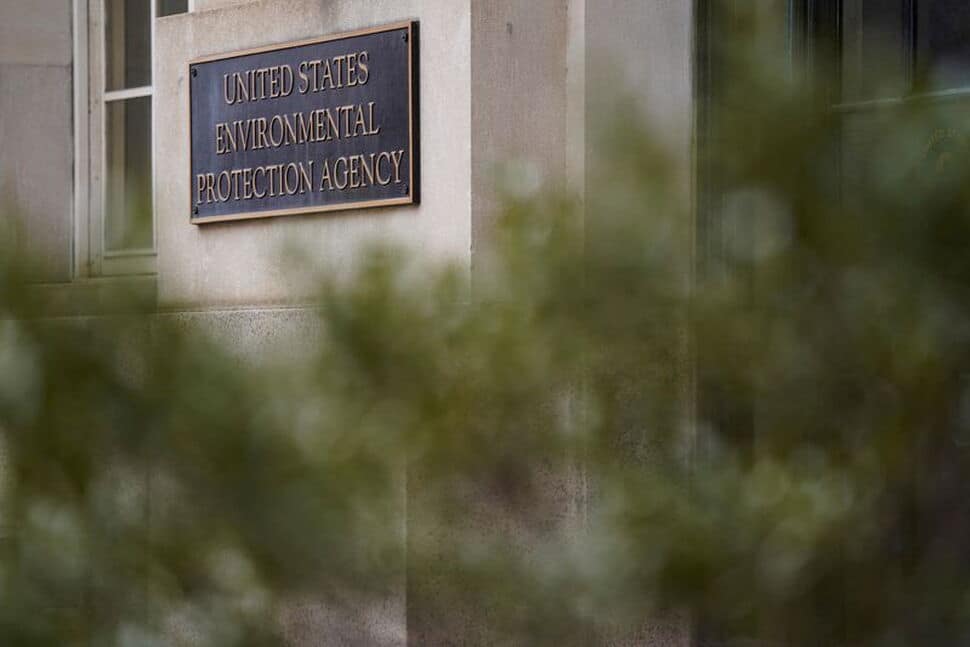
California is engaged in significant legal battles across various sectors. The state has filed a lawsuit against the U.S. Environmental Protection Agency (EPA), challenging the agency's decision to forward state vehicle emissions rules to Congress for potential repeal. California asserts that the EPA's action is unlawful and is seeking a court injunction to prevent this. This move by the EPA could impact California's ability to set its own stringent emissions standards, which are often more ambitious than federal ones.
In a separate legal challenge, a federal appeals court has intervened to block the Trump administration's initiative to drastically cut the workforce of the Consumer Financial Protection Bureau (CFPB). The court denied the administration's request to permit layoffs of two-thirds of the CFPB staff while legal proceedings concerning the agency's future continue. This decision preserves the current staffing levels of the CFPB amidst ongoing litigation over its operational structure and authority.
Furthermore, a federal judge has ruled that Workday, a company providing human resources software, must face a lawsuit alleging discrimination. The suit claims that Workday's AI-powered software used in job screening tools violates California law and a federal prohibition against disability discrimination. This ruling is significant as it could set precedents for future legal cases involving AI-driven hiring and screening technologies.
In the realm of consumer protection and pricing, California drivers have initiated a proposed class action lawsuit against prominent gas station operators, including BP, Walmart, and 7-Eleven. The lawsuit alleges that these companies are using artificial intelligence to artificially inflate gasoline prices. The plaintiffs claim violations of antitrust laws and a specific California statute designed to combat algorithmic price fixing. This case could have broad implications for the use of AI in pricing strategies across industries.
California is engaged in significant legal battles across various sectors. The state has filed a lawsuit against the U.S. Environmental Protection Agency (EPA), challenging the agency's decision to forward state vehicle emissions rules to Congress for potential repeal. California asserts that the EPA's action is unlawful and is seeking a court injunction to prevent this. This move by the EPA could impact California's ability to set its own stringent emissions standards, which are often more ambitious than federal ones.