Key facts
- The Supreme Court struck down Hawaii's law restricting handgun carry on private property open to the public.
- The ruling found the Hawaii law violated the Second Amendment.
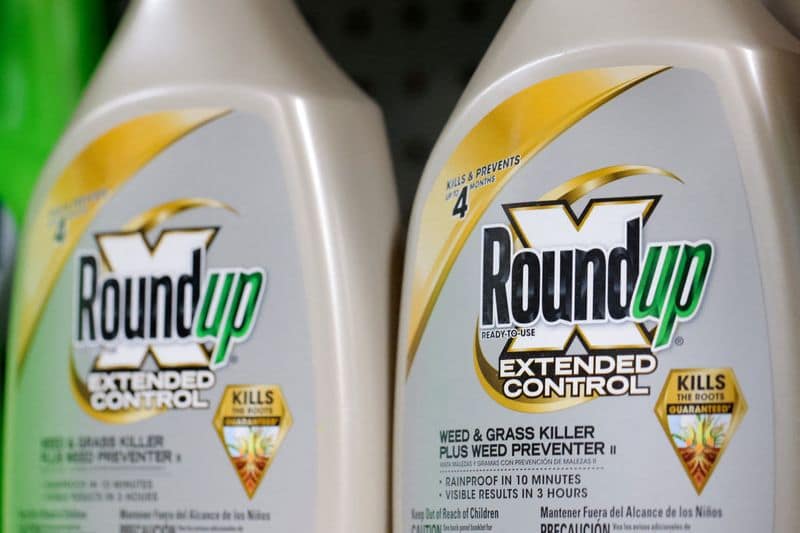
- The court limited Roundup cancer lawsuits, stating federal pesticide law bars state-level failure-to-warn claims.
- The decision overturns a $1.25 million jury award in a Roundup case.
- The Trump administration had backed gun owners in the Hawaii case and Bayer in the Roundup litigation.
The U.S. Supreme Court has struck down a Hawaii law that barred gun owners from carrying handguns on publicly accessible private property, ruling 6-3 that the restriction violates the Second Amendment. The court sided with gun owners who argued the law, which required permission from property owners to carry firearms in places like restaurants and malls, infringed upon their constitutional right to bear arms for self-defense. Justice Samuel Alito, writing for the majority, stated the law "hobbles what the Second Amendment protects." The ruling impacts several states with similar laws, though it does not affect restrictions on guns in sensitive locations like schools or bars.
In a separate 7-2 decision, the Supreme Court limited thousands of lawsuits accusing Bayer of failing to warn users that its Roundup weedkiller causes cancer. The justices agreed with Bayer that a U.S. law governing pesticides preempts state-level failure-to-warn claims. This decision overturned a $1.25 million jury award to a plaintiff who claimed Roundup exposure caused cancer. The Trump administration had backed Bayer in this case, which involves over 100,000 plaintiffs alleging a cancer link to the herbicide.