A federal judge has narrowed the scope of lawsuits challenging President Donald Trump's executive order concerning mail-in voting. U.S. District Judge Indira Talwani ruled that legal challenges could only proceed if they aimed to prevent the order's implementation before the upcoming November elections, rather than seeking to block it entirely or retroactively. She determined that the court should not delay review given the "ever-narrowing window of time" before the election and some states’ primaries, stating that postponing judicial review is impracticable and may inflict significant hardship on Plaintiffs.
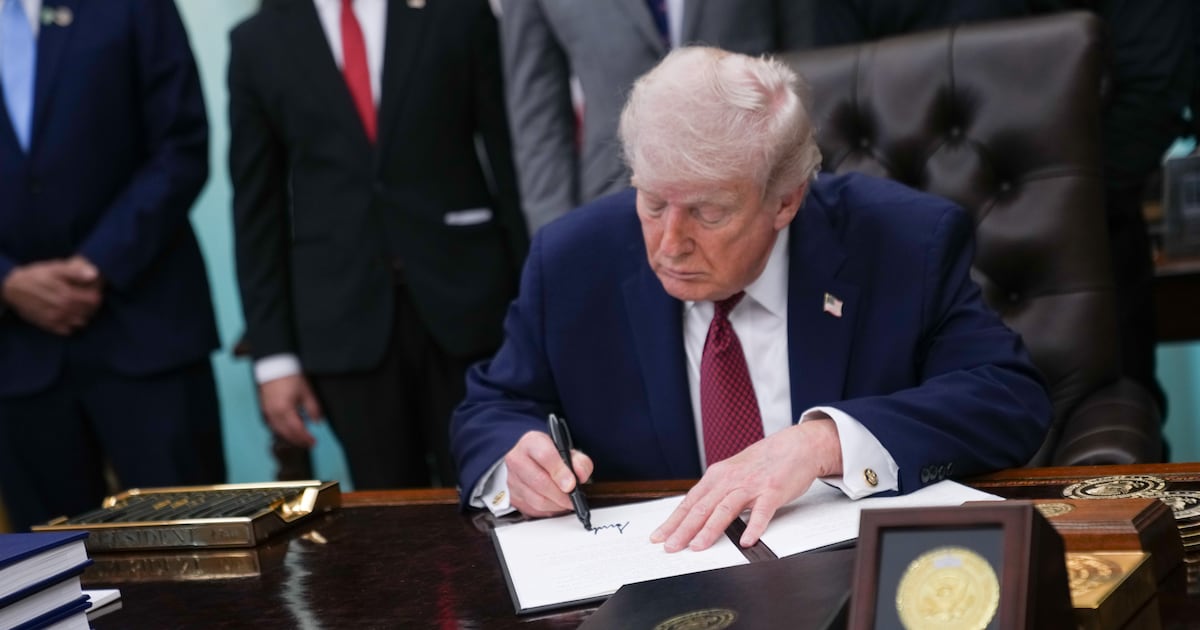
However, Talwani acknowledged that there were "many uncertainties" as to how federal agencies would eventually implement the executive order, making it premature to challenge anything beyond the midterms. The executive order, signed in March, directs Homeland Security Secretary Markwayne Mullin to work with the Social Security Administration to compile a list of verified U.S. citizens who are eligible to vote and bars the U.S. Postal Service from sending ballots to those not listed. It also directed the attorney general to prioritize investigations and prosecutions of anyone accused of sending ballots to voters deemed to be ineligible.
Plaintiffs, including voter education nonprofits and Democratic-led states, argue the order is unconstitutional and threatens to disenfranchise eligible voters, asserting that the president cannot exert control over federal election rules, which they contend belong to the states. Separately, President Trump urged Utah to halt its mail-in voting ahead of the state's primaries, expressing concern that such a system would lead to fraud.