Key facts
- US Consul General Julie Eadeh expressed optimism about US-China relations and engagement with Hong Kong officials.
- China's top diplomat in Hong Kong, Cui Jianchun, warned Eadeh against interfering in the city's internal affairs.
- Cui outlined specific instructions for Eadeh, including not meeting certain individuals and not colluding with 'anti-China forces'.
- The US State Department dismissed China's warning, stating US diplomats represent national interests globally.
- US Assistant Secretary of the Treasury Jonathan Burke, responsible for counter-terrorist financing, visited Hong Kong.
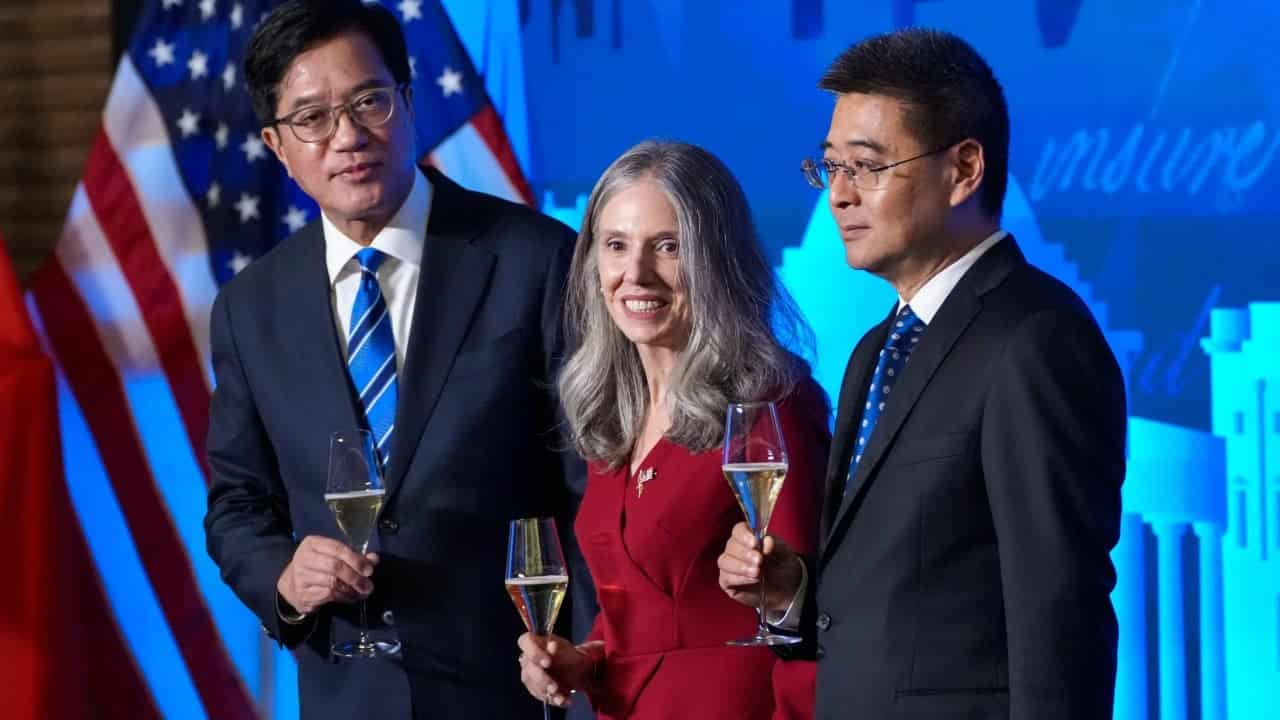
The United States' top envoy in Hong Kong, Consul General Julie Eadeh, has expressed optimism regarding US-China relations and pledged to engage with city officials. Her remarks came during an American Independence Day event, which also saw the visit of US Assistant Secretary of the Treasury Jonathan Burke.
However, Eadeh's tenure has been met with warnings from Beijing. Cui Jianchun, commissioner of the Hong Kong office of China’s Ministry of Foreign Affairs, met with Eadeh and urged her to adhere to international norms, specifically non-interference in domestic affairs. Cui reportedly laid out "four don'ts" for the US diplomat, instructing her not to meet certain individuals, collude with "anti-China forces," fund activities undermining stability, or interfere with Hong Kong's national security cases.
The US Department of State dismissed Cui's warning, asserting that US diplomats represent their nation and advance US interests globally, a standard practice. This exchange highlights ongoing tensions between Beijing and Washington concerning Hong Kong's autonomy, trade, technology, and Taiwan.
Chinese Ambassador to the US Xie Feng echoed the sentiment of complex relations, stating that US-China ties are at a "historical crossroads" following a recent summit between Presidents Xi Jinping and Donald Trump. The summit aimed to establish a constructive relationship, though structural issues remain.