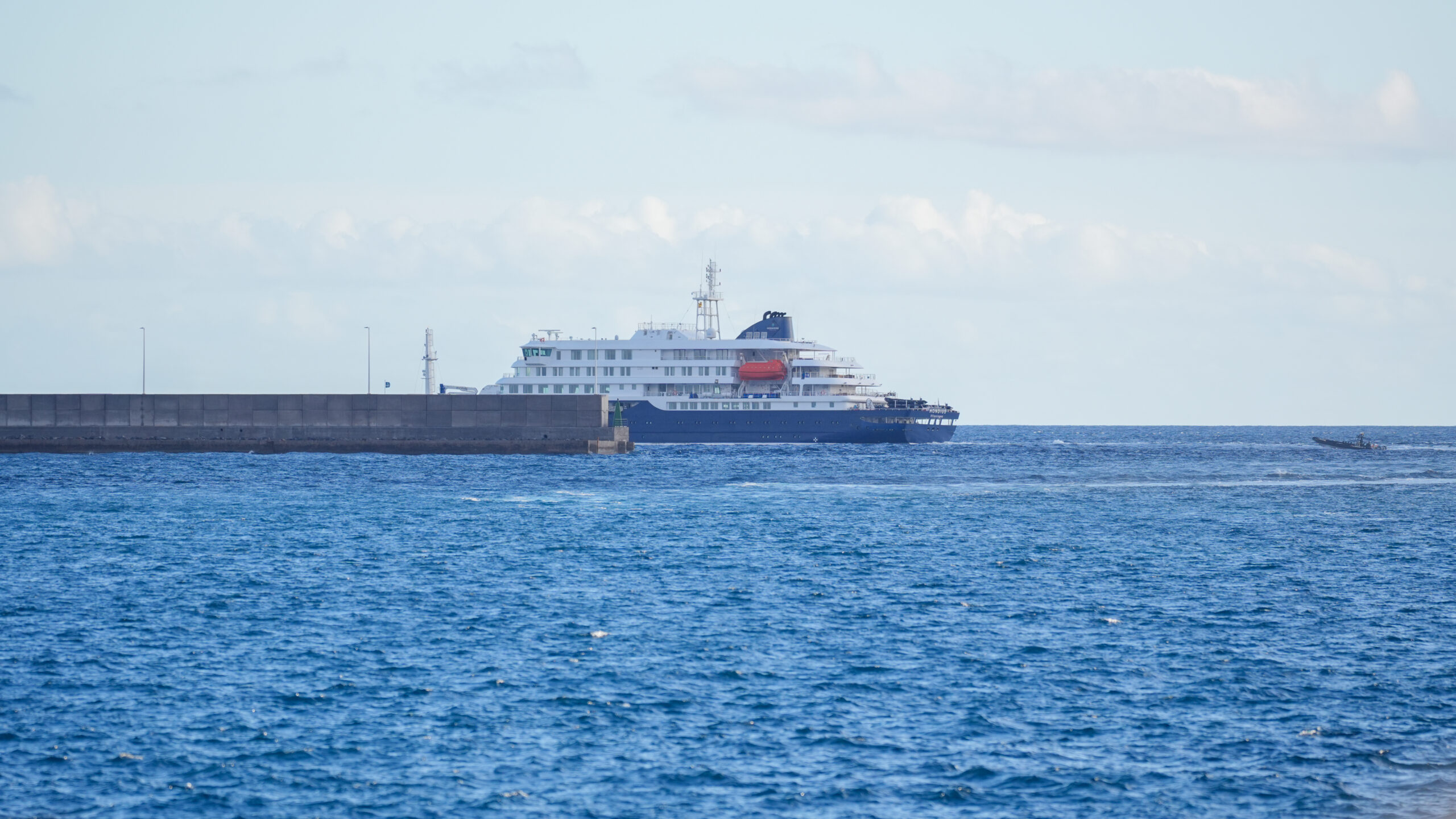
Key facts
- The US response to the hantavirus outbreak on the MV Hondius has concluded without any American cases.
- Strict quarantine measures were imposed on repatriated passengers, exceeding expert recommendations.
- CDC expert Michael Bell recommended leniency for one passenger, Angela Perryman, which was overruled.
- Health Secretary Robert F. Kennedy Jr. and acting CDC Director Jay Bhattacharya praised the federal response.
- The World Health Organization continues to monitor the global outbreak, with 13 cases and three deaths reported.
The United States has concluded its response to a hantavirus outbreak that occurred on the cruise ship MV Hondius, with no American passengers contracting the virus. The 42-day monitoring period for passengers ended on Sunday, June 21, and the Department of Health and Human Services officially announced the conclusion of the response on June 24. Health Secretary Robert F. Kennedy Jr. and acting CDC Director Jay Bhattacharya highlighted the swift federal action in preventing sustained transmission within the U.S., despite the virus not originating in the country among the passengers.
However, the response has left significant questions unanswered regarding the strict quarantine protocols implemented by Trump administration officials. These measures reportedly exceeded those used in Chile and Argentina, where the Andes virus is endemic, and also surpassed the recommendations of hantavirus experts and the CDC's own specialists. Typically, hantavirus is known to spread only when infected individuals exhibit symptoms, and remote monitoring with daily checks has been deemed sufficient in past outbreaks.
Despite expert recommendations for remote monitoring, U.S. officials mandated that potentially exposed passengers either remain in a federal quarantine unit in Nebraska or undergo rigorous 24/7 surveillance by local health authorities. Notably, passengers who had already returned to the U.S. before the outbreak was identified were not subjected to these requirements once identified. Passenger Angela Perryman's case exemplified the stringent and unexplained application of these rules, as her request to return home under less restrictive monitoring was denied by federal officials, even after a CDC expert recommended it.
During a press briefing, CDC officials, including acting director Brendan Jackson, largely evaded reporters' questions concerning Perryman's case and the rationale behind the strict and inconsistently applied quarantine measures. The WHO continues to track the global outbreak, reporting 13 cases and three deaths, with a small number of contacts still under quarantine.