Key facts
- U.S. Defense Secretary Pete Hegseth urged Asian allies to increase military spending to 3.5% of GDP.
- Hegseth warned that the era of the U.S. subsidizing wealthy nations' defense is over.
- He emphasized the need for stronger, self-reliant allies to deter China's military buildup.
- Hegseth reassured allies about continued U.S. commitment to the Asia-Pacific region.
- He stated that the U.S. can simultaneously manage global obligations and focus on the Asia-Pacific.
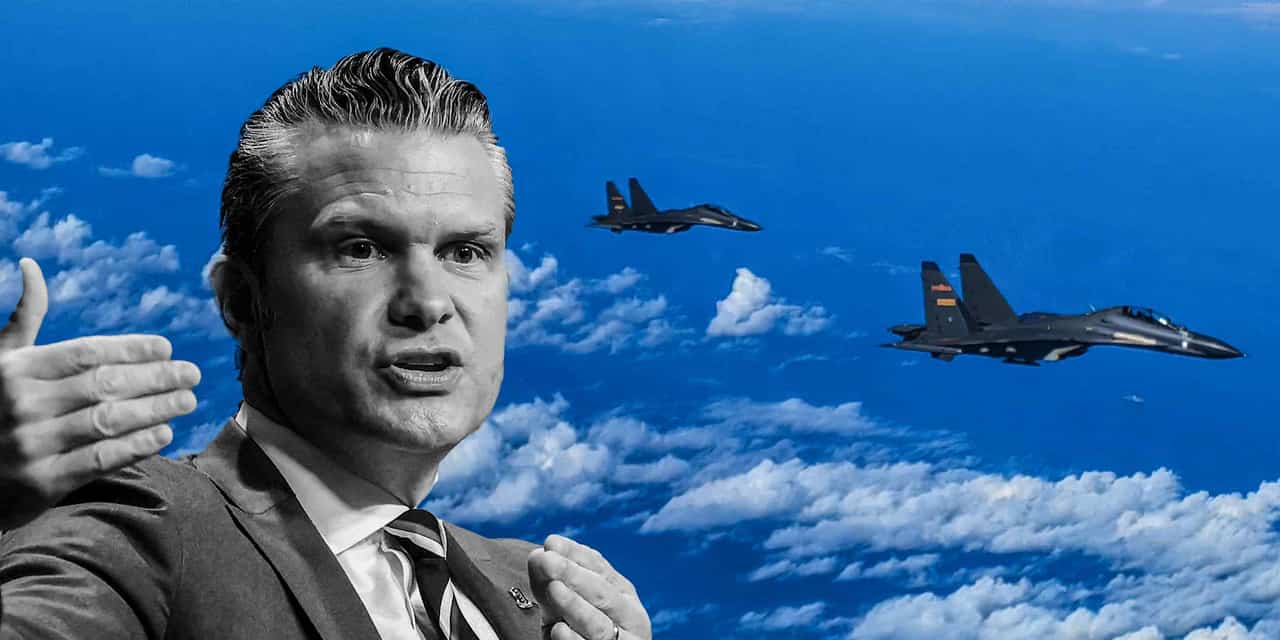
U.S. Defense Secretary Pete Hegseth has urged Asian allies to significantly increase their military spending to counter China's growing power and ensure regional stability. Speaking at the Shangri-La Dialogue in Singapore, Hegseth called for allies to reach a defense budget of 3.5% of their GDP, emphasizing that the era of the United States subsidizing the defense of wealthy nations is over.
Hegseth stressed that a stronger, more self-reliant network of allies is crucial for deterring aggression and maintaining the regional balance of power. He warned against any single power, including China, imposing its hegemony. The U.S. expects its partners to invest more in their own defense, with Hegseth stating, "We need partners, not protectorates," and that "no freeloading" will be tolerated.
Despite concerns about U.S. commitment due to global obligations, including the Iran conflict, Hegseth reassured allies that the U.S. is not turning its back on the Asia-Pacific. He asserted that the U.S. can manage multiple priorities simultaneously, maintaining open military-to-military communication channels with China while also strengthening its alliances. He highlighted positive steps taken by allies such as South Korea, Japan, Australia, and the Philippines.
While acknowledging the complexity of U.S.-China relations, Hegseth noted improved communication and a more measured tone compared to previous years. He also addressed concerns about arms sales to Taiwan, expressing confidence in U.S. stockpiles and production capabilities. Hegseth's remarks underscored a shift towards allies taking greater responsibility for their own security, backed by tangible military power rather than just rhetoric.