Key facts
- Ukraine's President Volodymyr Zelensky has ordered the development of regulations for private military companies.
- The goal is to create a transparent mechanism for state control over existing defense service practices.
Ukraine is taking steps to regulate its burgeoning private military sector, with President Volodymyr Zelensky instructing officials to develop a legal framework by year-end. The move aims to create transparency and state control over companies providing defense services, which currently operate in a legal gray area.
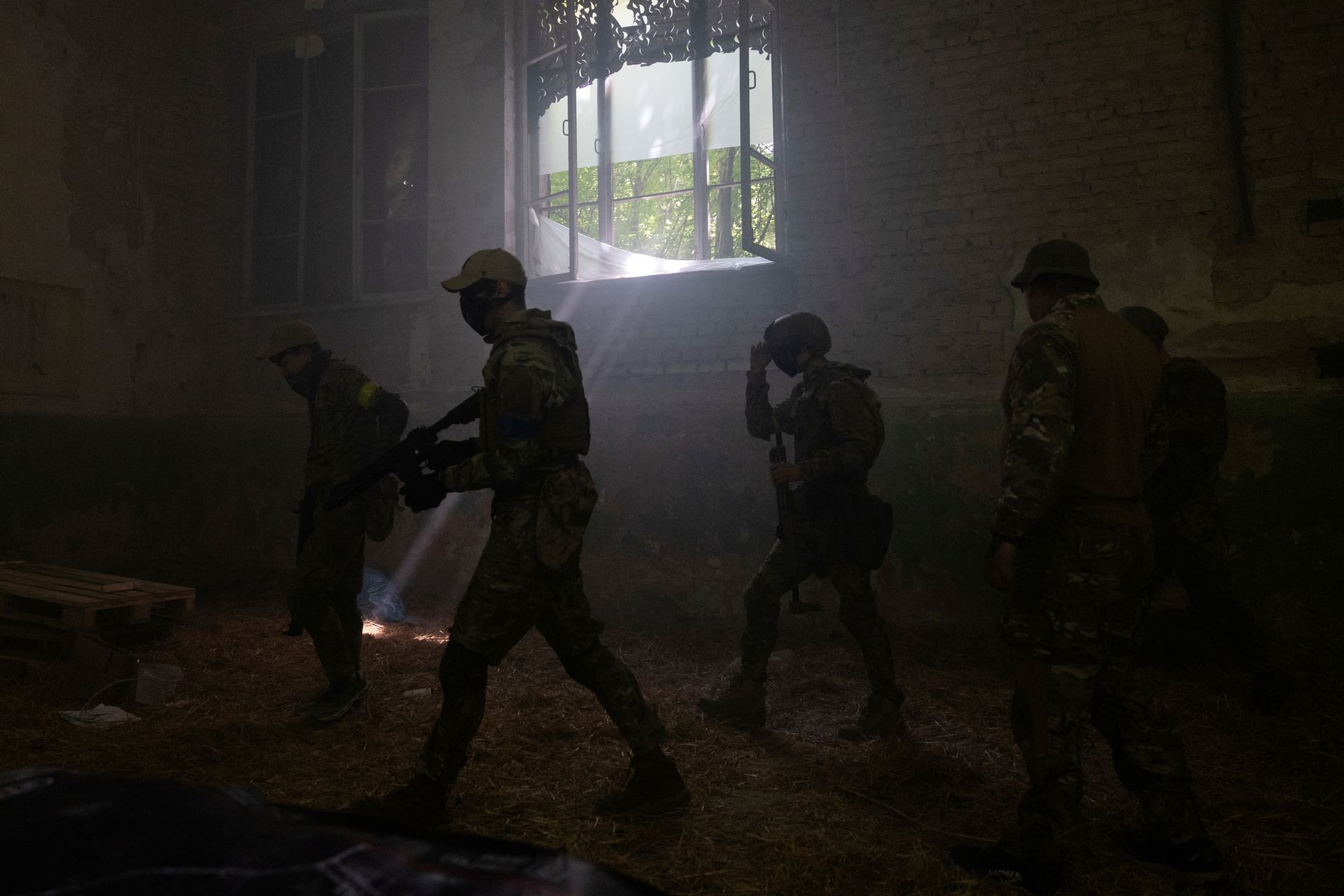
The regulation of private military companies in Ukraine is crucial for establishing state control, ensuring accountability, and formalizing a significant sector of the wartime economy. It addresses concerns about transparency and potential misuse of private military power, which has been a sensitive issue given historical paramilitary groups and the actions of entities like the Wagner Group.
Ukraine is moving to formally regulate its rapidly expanding private military sector, which has grown substantially since Russia's full-scale invasion began. President Volodymyr Zelensky announced on May 6 that he has instructed officials to develop the 'most optimal format' for regulating these companies, with legislation anticipated by the end of the year.
Currently, Ukrainian law prohibits armed formations outside state control, and private military companies (PMCs) are not officially recognized. Many firms operate under ordinary commercial licenses, providing services such as drone operation training, minefield clearing, military hardware maintenance, and combat training for foreign clients. This legal ambiguity has become increasingly difficult to ignore as the defense sector becomes a significant part of Ukraine's wartime economy.
Tetiana Kebkalo, deputy director general of Omega Consulting Group, emphasized that the key is not to introduce new activities but to establish a transparent state control mechanism for existing practices. She noted that many current activities, like the import/export of military goods and security services, are already regulated under existing laws. However, the provision of armed security services remains a gap.
Previous attempts to legislate in this area have stalled, with at least four draft laws failing to gain parliamentary approval. The most recent, draft law No. 11214, registered in April 2024, received reservations from the Defense Ministry due to constitutional and legal conflicts. Experts like Fedir Serdiuk attribute this stalemate to a lack of historical experience in regulating such activities and lingering political stigma associated with private military formations, often evoking fears of groups like Russia's Wagner Group.