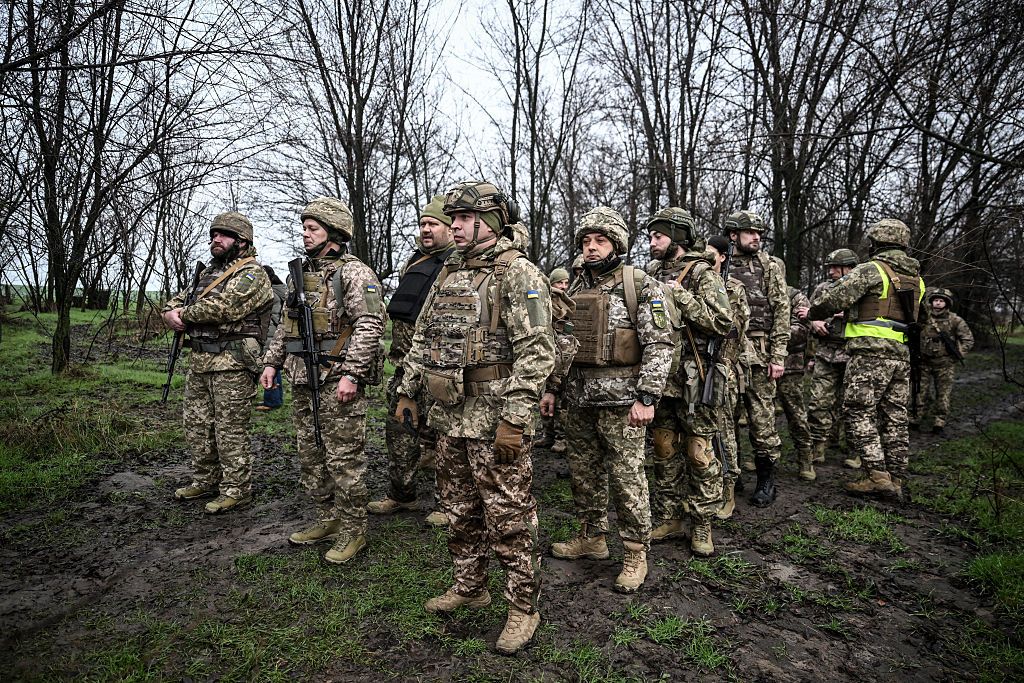
Key facts
- Ukraine is introducing higher pay for soldiers, with non-combat roles receiving a minimum of Hr 30,000 and front-line infantry earning Hr 300,000 per month.
- Fixed contracts ranging from 6-14 months for infantry and 24 months for other combat roles are being introduced.
- Soldiers completing these contracts will receive a six-month exemption from mobilization.
- Reforms aim to streamline unit transfers and increase the recruitment of foreign fighters.
- The changes are intended to address manpower shortages and improve soldier motivation after years of war.
Ukraine is implementing significant reforms to its military service system, including substantial pay increases, fixed-term contracts for soldiers, and a renewed push to recruit foreign fighters. President Volodymyr Zelensky announced the changes, which aim to address the country's ongoing manpower crisis and improve morale among troops who have been fighting for years.
Under the new system, non-combat roles will see a minimum base pay of Hr 30,000 ($670) per month, a notable increase from the previous Hr 20,000 ($335). Infantry soldiers, who often face prolonged periods on the front lines due to rotation difficulties, will receive Hr 300,000 ($6,700) for each month spent on the front line. This represents a significant jump from the current combat pay, which can reach up to Hr 100,000 ($2,234) with additional benefits.
A major shift involves the introduction of fixed contracts for infantry and assault personnel, ranging from 6 to 14 months. Upon completion of these contracts, soldiers will be exempt from mobilization for six months. Other combat roles, such as drone operators, artillerymen, and medics, will be offered 24-month contracts with a similar six-month grace period. Reforms also target the transfer system between units, aiming to simplify the process and reduce instances of soldiers going absent without leave.
In parallel, Ukraine is launching a new drive to recruit foreign volunteers, with the goal of filling 30-50% of assault and infantry positions with international fighters. This initiative seeks to bolster the military's sustainability. Commander-in-Chief Oleksandr Syrskyi described these reforms as the initial phase of a broader transformation aimed at saving soldiers' lives on the front line.