Key facts
- A UK parliament debate took place on a petition concerning pro-Israel influence in politics.
- The petition, which garnered over 118,000 signatures, called for a public inquiry into pro-Israel lobbying activities.
- Many MPs, particularly those affiliated with pro-Israel groups, characterized the petition as antisemitic.
- A minority of MPs raised specific questions regarding lobbying transparency and funding.
- The government, represented by minister James Frith, stated it does not support a public inquiry focused solely on pro-Israeli influence.
- Concerns were raised about the funding of political activities by pro-Israel lobby groups and their connections to MPs.
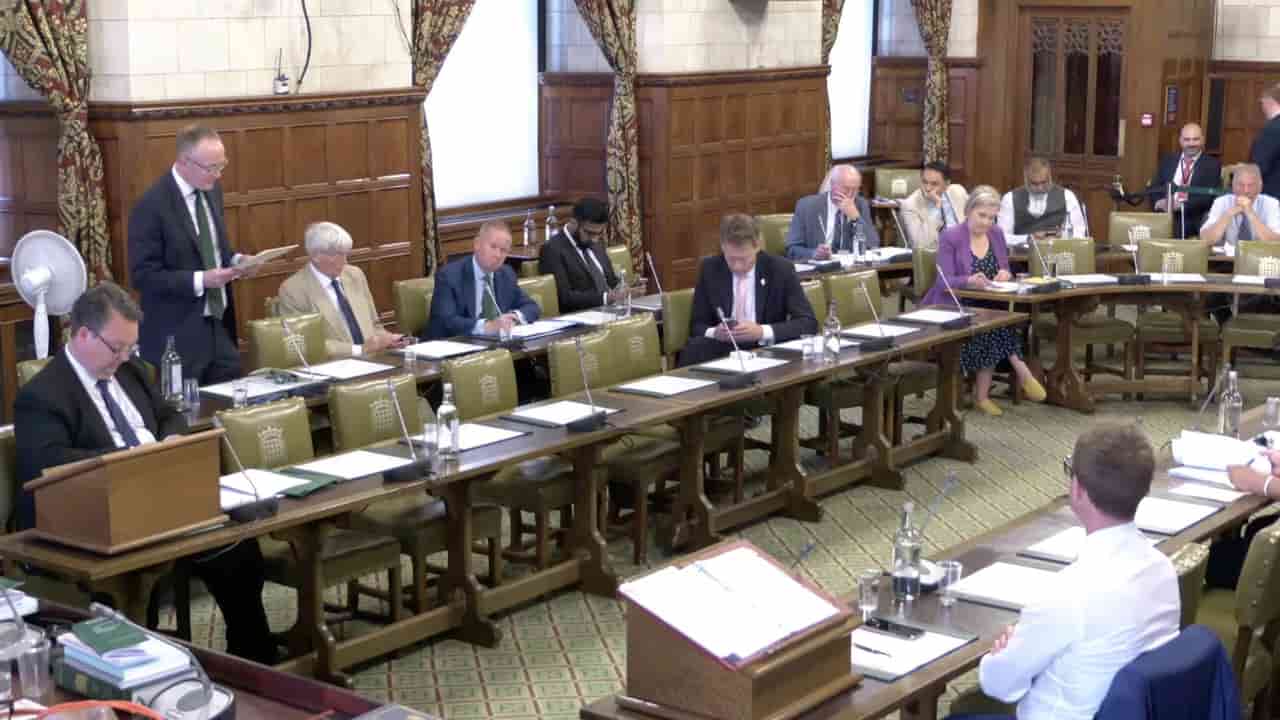
A debate in the UK parliament's Westminster Hall on a petition calling for an inquiry into pro-Israel influence on politics was marked by controversy and differing viewpoints. The petition, which garnered over 118,000 signatures, expressed concern over reported Israeli state-linked and pro-Israel lobbying activities in UK politics and sought to determine the scope and impact of such campaigns.
During the debate, many MPs, predominantly from Conservative and Labour parties who are members of pro-Israel groups, argued that the petition itself was antisemitic. They suggested that singling out Israel for scrutiny was discriminatory and echoed historical antisemitic conspiracy theories about secret Jewish control over governments and financial institutions. MPs like Andrew Mitchell and John Lamont, who have past ties to lobby groups like Conservative Friends of Israel (CFI), emphasized this perspective.
Conversely, a minority of MPs, including Independent MP Ayoub Khan, sought to distinguish between advocating for Israel and engaging in opaque lobbying practices. Khan questioned the government's commitment to transparency, pointing to the funding arrangements of organizations like Labour Friends of Israel (LFI), which he noted were not registered as members' associations, thus avoiding further disclosure requirements. He also highlighted reports of financial support from the Israeli ministry of foreign affairs to UK parliamentarians.
Government minister James Frith, himself a member of Labour Friends of Israel, stated that the government does not support a public inquiry solely focused on pro-Israeli influence. He emphasized the strong UK-Israel relationship and condemned holding British Jews accountable for the actions of the Israeli government. Independent MP Adnan Hussain challenged Frith on conflating the Jewish faith with the actions of the state of Israel, asserting that the petition did not do so and that Israel stood accused of genocide in Gaza, a claim Frith disagreed with.
Further contributions included Labour MP Tahir Ali's argument that Israel had been "meddling in our politics," referencing past incidents and citing a report indicating significant donations from pro-Israel donors to MPs. Independent MP Shockat Adam raised concerns about meetings between executives from Elbit Systems, Israel's largest weapons manufacturer, and the Home Office, particularly in light of protests against the company.