Key facts
- UK judge Justice Johnson has initiated renewed contempt of court proceedings against barrister Rajiv Menon KC.
- Menon is accused of breaching court directions during a closing speech in January.
A UK judge has renewed contempt of court proceedings against barrister Rajiv Menon KC, who represented Palestine Action defendants. The judge alleges Menon breached directions during a closing speech in January.
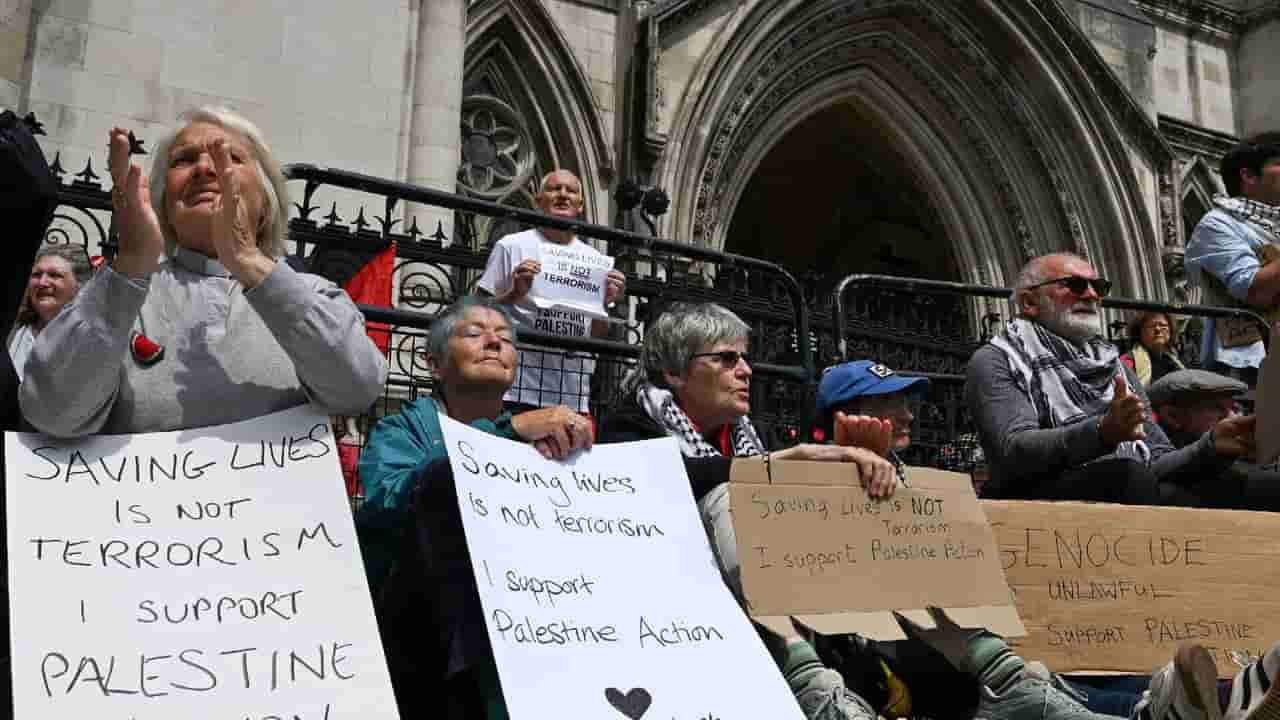
The renewed contempt proceedings against a senior barrister highlight ongoing tensions between judicial directions and defense advocacy, particularly in politically charged cases. The case raises questions about the boundaries of legal argument, the principle of jury equity, and the potential chilling effect on legal representation.
A UK judge has decided to pursue renewed contempt of court proceedings against Rajiv Menon KC, a leading human rights barrister who represented defendants from the group Palestine Action. Justice Johnson alleges that Menon breached court directions during a closing speech delivered in January at the conclusion of a trial concerning criminal damage at an Israeli army factory.
In May, the Court of Appeal had previously ruled that Justice Johnson had unlawfully initiated proceedings against Menon by referring the case to the High Court. The appellate court had suggested Johnson either deal with the matter himself, refer it to the attorney general, or take no further action. However, following a hearing on Friday, Johnson rejected these options. He stated in a judgment on Monday that he found "there is a case to answer in contempt" and that it is "in the public interest to institute" proceedings, referring the matter to another High Court judge.
Menon's defense, led by Adrian Waterman KC, argued that the barrister did not "knowingly" breach the court's orders and was "astonished" by the allegation. Waterman stated that Menon had "absolutely didn’t cross any line, any line whatsoever" and that there is no possibility of a judge finding him in contempt. Prosecutor Tom Little KC, however, described Menon's speech as a "clear, deliberate and sustained breach" of court orders.
The original trial involved six Palestine Action defendants accused of criminal damage. They were subsequently acquitted of aggravated burglary, and four were convicted of criminal damage in a retrial in May. During the trial, Justice Johnson had directed lawyers not to invite the jury to disregard rulings or remind them of their right to acquit on conscience. Menon reportedly read an inscription about "jury equity" and discussed the defendants' restrictions in giving evidence about the Israeli arms company Elbit Systems' role in the war on Gaza.
Menon stated at the time that he had not used the phrase "jury equity" and had not said anything about acquitting according to conscience, emphasizing that he had explained to the jury that the facts were solely for them and that the judge could not direct them to convict. His chambers, Garden Court Chambers, issued a statement calling the proceedings "unprecedented" and stating they "undermine and diminish our system of criminal justice."