Key facts
- Tucker Carlson has publicly apologized for misleading his audience regarding his support for President Donald Trump.
- The rift between Carlson and Trump is largely attributed to their opposing views on U.S. policy toward Iran.
- President Trump has publicly criticized Carlson, calling him "kooky" and "stupid" for his stance on Iran.
- Carlson's brother, Buckley, a former speechwriter for Trump, was present during Carlson's apology on his podcast.
- Experts view Trump's public feuds as a characteristic of his leadership and media presidency.
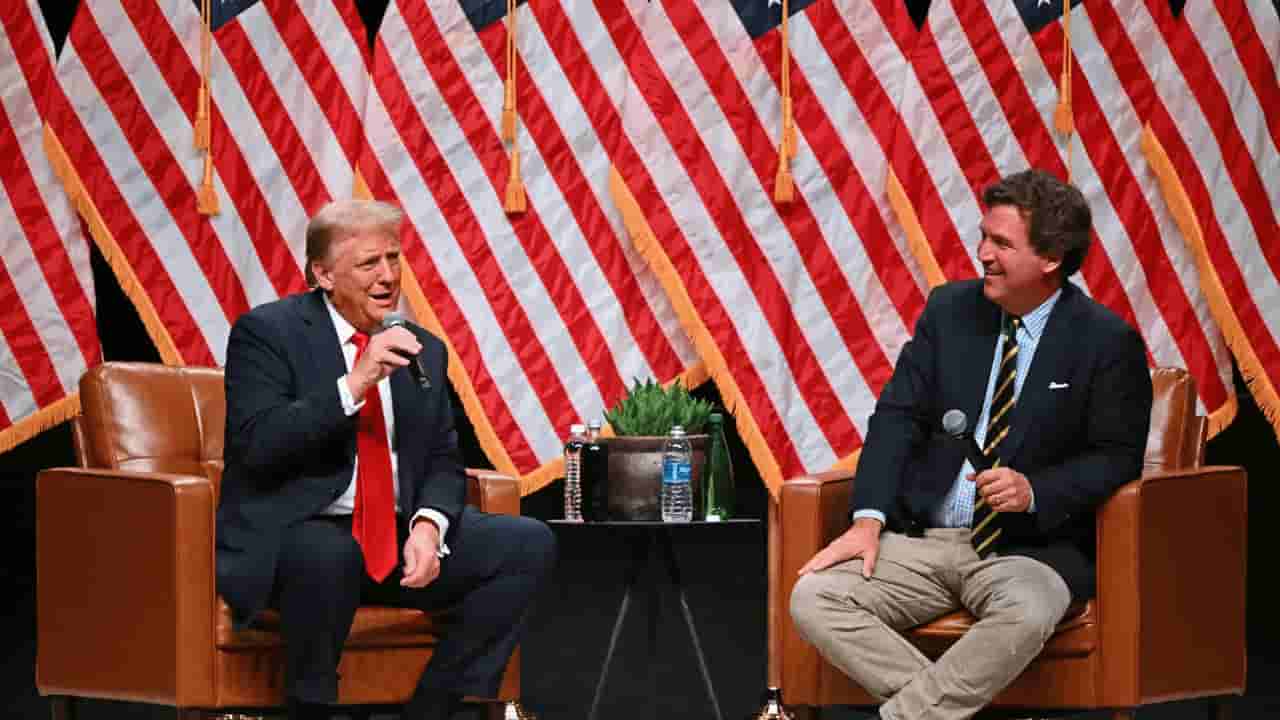
Conservative commentator Tucker Carlson has publicly expressed regret over his past support for President Donald Trump, citing a significant rift over U.S. policy toward Iran. Carlson, once a staunch ally and voice within the MAGA coalition, stated on his podcast that he had "misled" his audience by supporting Trump.
Carlson's apology came during an episode of The Tucker Carlson Show, where he was joined by his brother Buckley, a former speechwriter for Trump. He stated, "I want to say I'm sorry for misleading people, it was not intentional." This sentiment follows weeks of heightened tensions, particularly after Trump's decision to launch strikes against Iran and the subsequent conflict.
Trump has publicly rebuked Carlson and other conservative figures, including Megyn Kelly, Candace Owens, and Alex Jones, for their opposition to military intervention in the Middle East. Trump referred to them as having "low IQs" and being "stupid people" for their stance on Iran potentially acquiring nuclear weapons.
Experts note that Trump's leadership style is characterized by public feuds. Dr. Mark Shanahan, an associate professor of political engagement at the University of Surrey, described Trump as a "media President whose character was created by the media," emphasizing his need to win by making others lose. This dynamic is seen as a microcosm of his broader media spats.
Previously, Carlson had referred to Trump as a "wonderful person" and attributed his survival of an assassination attempt to "divine intervention." He also supported many of the Trump administration's core policies, such as its anti-immigration stance and efforts to dismantle diversity, equity, and inclusion (DEI) initiatives.