Key facts
- The Trump administration proposed rescinding the 2001 Roadless Area Conservation Rule.
- This rule protects nearly 59 million acres of undeveloped forest from logging, roads, and mining.
- The administration claims rescinding the rule will improve forest health and reduce wildfire risk.
- Environmental groups contend the move will increase wildfire risk by allowing more human activity.
- The U.S. has seen 7.3 million acres burned in approximately 49,000 fires this year.
The Trump administration has initiated a process to rescind the 2001 Roadless Area Conservation Rule, a regulation that prohibits logging, road construction, and mining in undeveloped forest areas across the United States. The Department of Agriculture's U.S. Forest Service filed the proposed rule, which would shift decision-making authority to local forest managers.
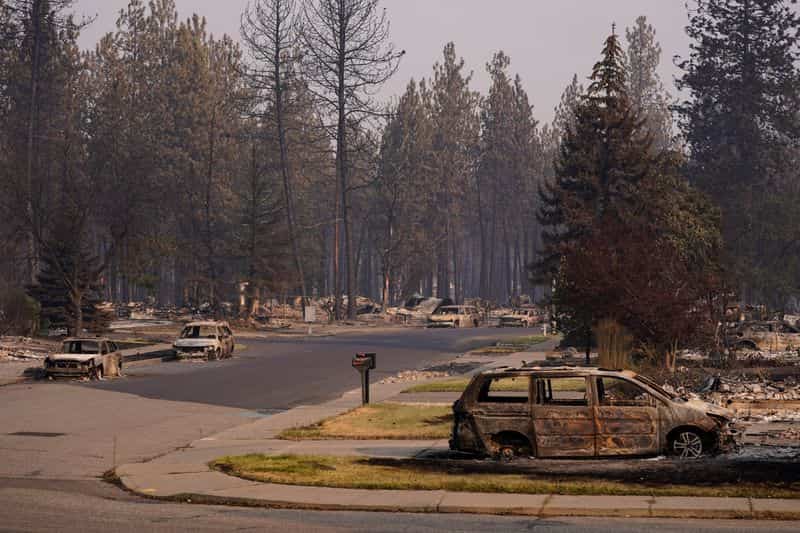
Agriculture Secretary Brooke Rollins stated that the move aims to enhance forest health and mitigate wildfire risks by removing perceived barriers for local managers. This action comes amid a severe wildfire season, with millions of acres already burned nationwide.
However, environmental organizations strongly oppose the proposal. They argue that opening these protected lands to increased human activity, including development and potential ignition sources, would exacerbate wildfire dangers. A 2025 analysis by the Wilderness Society indicated that wildfire density is lowest in protected areas and highest near roads.
Josh Hicks, director of conservation campaigns for the Wilderness Society, emphasized the importance of these wild forests for communities, ecosystems, and wildlife, asserting that increased development would not solve wildfire issues.
The Roadless Rule currently applies to nearly 59 million acres, representing about 30% of the National Forest System. The agency is accepting public comments on the proposed rule until September 21.