All NewsEducationTV
Equities & FundsCrypto & Digital AssetsAI & TechnologyBusiness & CorporateUS Politics & PolicyGeopolitics & Global RiskMacro, Rates & FXCommodities & EnergyEuropean Politics & MarketsAsia-PacificReal Estate & Property
Story archiveAll categories
← All Stories

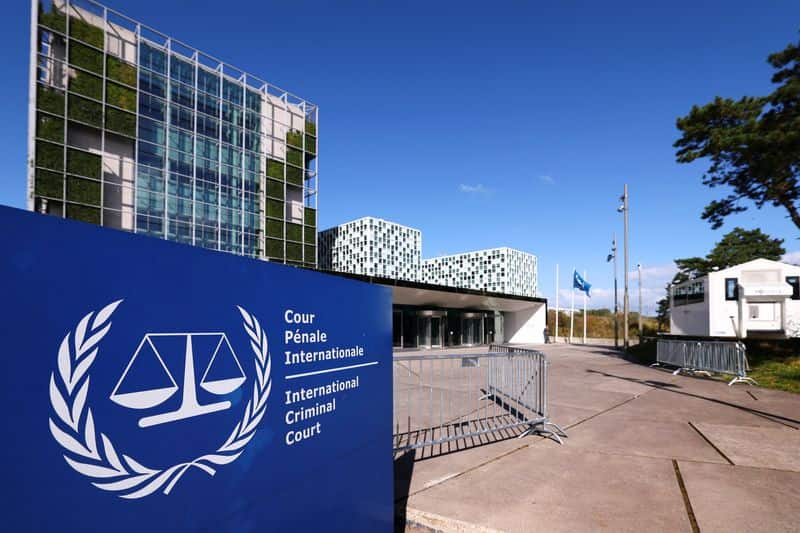
US sanctions International Criminal Court president

Created at 18 Aug · 5:27 PM1 source↑ Market-relevant
IN SHORT

The U.S. Treasury Department has imposed sanctions on Tomoko Akane, the president of the International Criminal Court, escalating a campaign against the institution. The sanctions freeze any U.S. assets held by Akane and cut her off from the U.S. financial system.

Key Numbers

2002year ICC was established
September 17deadline for transaction wind-down

Who's Involved

Tomoko Akane
President of the International Criminal Court, sanctioned by the U.S.
U.S. Treasury Department
Website showed imposition of sanctions
Trump administration
Campaigning against the ICC
Benjamin Netanyahu
Israeli Prime Minister, subject of ICC arrest warrant
Yoav Gallant
Former Israeli defense minister, subject of ICC arrest warrant
Marco Rubio
U.S. Secretary of State, stated intent to undermine ICC
US sanctions International Criminal Court president

↳ Why This Matters

The sanctions underscore the ongoing tension between the United States and the International Criminal Court, highlighting the U.S. stance against the court's jurisdiction over its personnel and allies.

Key facts

  • The U.S. has sanctioned Tomoko Akane, president of the International Criminal Court.
  • The sanctions freeze any U.S. assets held by Akane and restrict her access to the U.S. financial system.
  • The U.S. is not a member of the International Criminal Court.
  • The sanctions are part of an ongoing campaign by the Trump administration against the ICC.
  • The ICC has previously issued arrest warrants for Israeli Prime Minister Benjamin Netanyahu and former Israeli defense minister Yoav Gallant.

The United States has imposed sanctions on Tomoko Akane, the president of the International Criminal Court (ICC), according to the U.S. Treasury Department website. This action represents an escalation of the Trump administration's efforts against the international tribunal, which prosecutes war crimes, genocide, and crimes against humanity. The U.S. is not a member of the ICC.

Last year, the U.S. sanctioned several ICC officials, citing the court's arrest warrants for Israeli Prime Minister Benjamin Netanyahu and former Israeli defense minister Yoav Gallant, as well as a past probe into U.S. troops in Afghanistan. These sanctions freeze any U.S. assets held by the targeted individuals and effectively isolate them from the U.S. financial system.

In June, three ICC judges filed a lawsuit against Trump and his administration, challenging the legality of the sanctions. The Treasury Department also issued a general license on Tuesday, permitting the wind-down of transactions involving Akane until September 17.

U.S. Secretary of State Marco Rubio had previously stated the administration's intention to intensify efforts to undermine the ICC, including a diplomatic push for other countries to withdraw from the institution. Rubio argued that the court poses a threat to U.S. personnel involved in immigration enforcement and counter-drug operations, as well as other U.S. service members. Trump has indicated the campaign aims to defend Netanyahu and others from prosecution.

Reuters reported that the Trump administration's sanctions against ICC officials were partly intended to preempt future attempts to hold the Republican president or his staff accountable for overseas military actions. The ICC asserts jurisdiction only when a member state is unable or unwilling to prosecute atrocities, but it can also prosecute crimes committed on member state territory by nationals of non-member states.

Frequently asked questions

The U.S. cited the ICC's arrest warrants for Israeli Prime Minister Benjamin Netanyahu and former Israeli defense minister Yoav Gallant, as well as a past probe into U.S. troops in Afghanistan, as reasons for the sanctions.

The sanctions freeze any U.S. assets held by the sanctioned individuals and essentially cut them off from the U.S. financial system.

No, the United States has never been a member of the International Criminal Court.

What Happens Next

01Transactions involving Tomoko Akane must be wound down by September 17.

How It Developed

The U.S. imposed sanctions on Tomoko Akane, president of the International Criminal Court.
The sanctions freeze any U.S. assets held by Akane and cut her off from the U.S. financial system.
A general license was issued authorizing the wind-down of transactions involving Akane through September 17.
Three International Criminal Court judges previously sued Trump and his administration over similar sanctions.

Sources

T1
US sanctions International Criminal Court president, Treasury Department website showsReuters

Related Stories

US judge allows Trump administration to end deportation protections for Ethiopians
18 Aug · 2:52 PM
US sanctions one entity in Venezuela-related action
18 Aug · 5:46 PM
US judge orders release of woman accused of vandalism at World War Two Memorial
18 Aug · 1:47 AM
Disney, ABC sue US regulator over politically motivated license threats
18 Aug · 12:31 PM
DOJ probes College of William & Mary over alleged discrimination
17 Aug · 9:52 PM